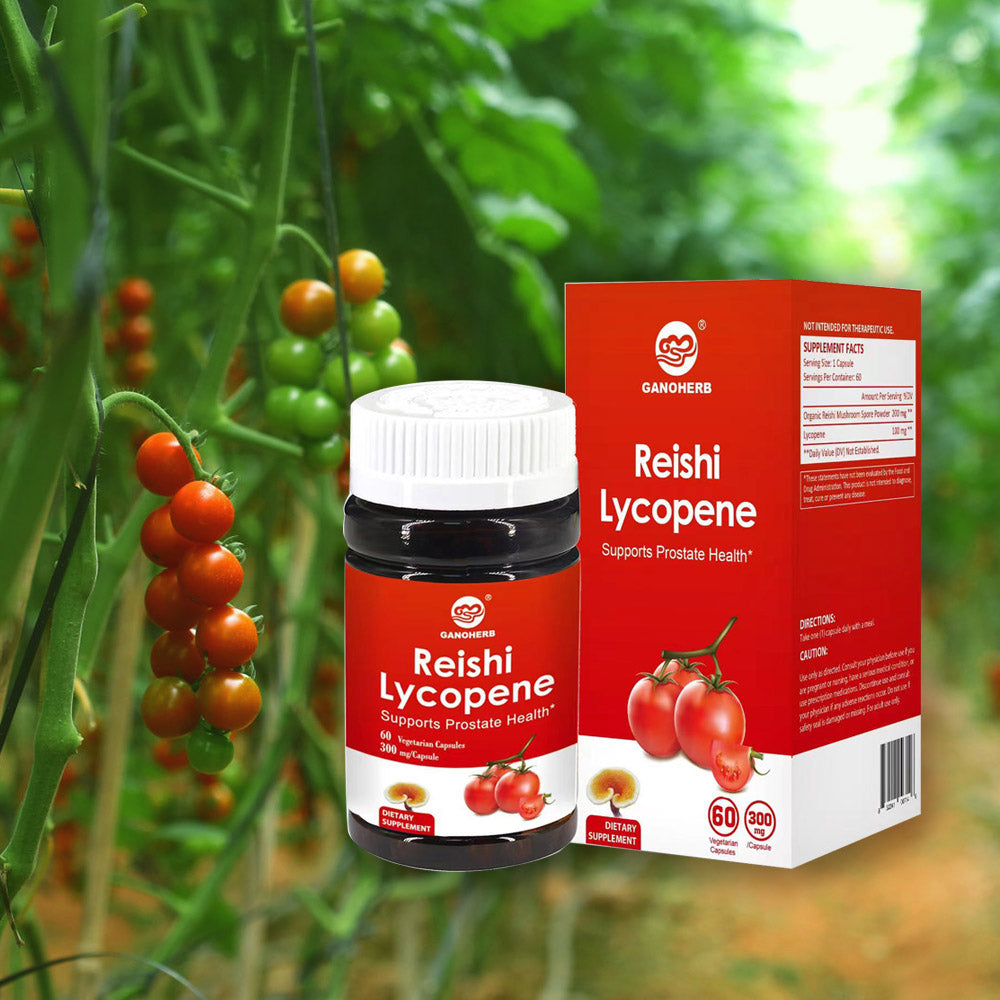


Lycopene 50mg 200 Capsules: Functional Analysis, Quality, and Value
Carotenoids represent some of the most extensively researched fat-soluble plant compounds available in modern botanical supplementation. Among these specialized phytochemicals, lycopene commands significant interest due to its potent singlet oxygen quenching abilities andantioxidant support. Formulators and wellness enthusiasts increasingly seek streamlined, high-potency presentations that minimize packaging waste while maximizing daily convenience. A prime example of this optimization is the lycopene 50mg 200 capsules format, which provides an advanced balance of active ingredient concentration, supply durability, and economic efficiency.
Within functional botanical disciplines, modern encapsulation strategies no longer view active compounds in total isolation. Forward-thinking supplement architects consistently evaluate how lipophilic carotenoids interact with functional fungal compounds, such as the triterpenes and sterols native to red Reishi (Ganoderma lucidum). By synthesizing high-potency carotenoid extraction with whole-spectrum fungal botanicals, contemporary dietary protocols achieve a broad spectrum of nutritional complementation.

Molecular Profile and Potency Metrics of Lycopene 50mg 200 Capsules
Lycopene is an acyclic isomer of beta-carotene, structurally characterized by an extended chain of conjugated carbon-carbon double bonds. This polyene framework grants the molecule its deep red pigment and its formidable capacity to help support the body's natural antioxidant processes within lipid environments. In natural food matrices, such as vine-ripened tomatoes, lycopene occurs primarily in an all-trans isomeric arrangement. However, during advanced extraction and encapsulation, exposure to controlled thermal parameters facilitates a shift toward cis-isomers, which exhibit higher bioavailability in human plasma.
Opting for a high-strength presentation like lycopene 50mg 200 capsules reflects a precise response to modern consumer demand. Standard retail selections frequently offer modest strengths of 5mg to 15mg per unit. A 50mg potency allows individuals to streamline their daily intake down to a single daily capsule while obtaining a physiologically significant quantity of active carotenoids. When combined with a 200-count inventory, users secure over six months of uninterrupted botanical support, establishing consistency across dynamic wellness programs.
Lipophilic Transport and Enhanced Bioavailability
Because carotenoids are intrinsically hydrophobic, absorption in the upper digestive tract depends heavily upon effective micellar incorporation. Pure lycopene crystals ingested without dietary lipids experience extremely low uptake rates. Premium formulations of lycopene 50mg 200 capsules resolve this challenge by implementing specific delivery vehicles:
- Medium-Chain Triglyceride (MCT) Suspensions: Lipid-based carriers that trigger digestive enzymes and accelerate the packaging of carotenoids into chylomicrons.
- Reishi Spore Oil Integration: Supercritical carbon dioxide extracts of Ganoderma lucidum spore oils, supplying both beneficial fungal lipids and active triterpenoids that complement carotenoid dispersal.
- Phospholipid Emulsification: Sunflower or soy-derived lecithin complexes that stabilize the suspension, preventing crystalline precipitation inside the capsule wall.
Synergy with Functional Fungi: Pairing Lycopene with Ganoderma Lucidum
The convergence of functional mycology and carotenoid science creates remarkable nutritional opportunities. Red Reishi has been revered in Asian herbal traditions for centuries, particularly for its complex suite of water-soluble beta-glucans and lipid-soluble ganoderic acids. When paired with high-dose carotenoid regimens, the biological systems of the body gain multi-tiered antioxidant assistance.
Complementary Biological Pathways
- Antioxidant Support: Lycopene scavenges free radicals within deep lipophilic membranes, while fungal polysaccharides operate primarily within aqueous environments to balance systemic responses.
- Antioxidant Support: Lycopene functions as a lipid-soluble antioxidant that helps protect cell membranes from oxidative stress, while Reishi triterpenoids provide complementary antioxidant support.
- The gentle, non-stimulating character of Ganoderma extracts complements the foundational antioxidant support delivered by steady carotenoid intake.
Comparative Analysis: High-Potency vs. Conventional Formulations
To fully grasp the competitive value of lycopene 50mg 200 capsules, formulators and buyers evaluate how this specification compares with standard marketplace offerings. Many entry-level formulations rely on dilute suspensions, requiring consumers to swallow multiple large softgels daily to reach their target nutritional intake.
Potency Efficiency and Intake Adherence
Taking several low-dose capsules introduces unnecessary excipients, filler oils, and gelatin into the body. A single 50mg capsule eliminates this clutter, improving daily compliance. In nutritional science, consistent daily use remains the single most reliable predictor of long-term botanical efficacy.
Value per Milligram and Packaging Footprint
Small packaging sizes—such as 30 or 60-count bottles—create recurring freight costs and unnecessary packaging waste. A 200-capsule supply drastically lowers the unit cost per active milligram of lycopene. Consumers and commercial supply operations benefit from reduced transport carbon footprints, minimal shelf space requirements, and lower bulk shipping fees.
Extraction Technologies and Quality Standards
The integrity of a carotenoid supplement depends entirely on the methods used during extraction and purification. High-purity lycopene can be derived through several distinct pathways, each carrying specific consequences for purity and final formulation quality.
Supercritical Fluid Extraction (SFE-CO2)
Modern supercritical extraction uses pressurized carbon dioxide at moderate temperatures to separate carotenoid-rich oleoresins directly from tomato skins. This clean method completely avoids chemical solvents like hexane or acetone. The result is an exceptionally pure, residue-free oleoresin that preserves natural accompanying plant sterols, phytoene, and phytofluene.
Microencapsulation and Oxidation Protection
Because the conjugated double bonds in lycopene are vulnerable to light, heat, and oxygen exposure, stability remains a vital formulation factor. Advanced manufacturers employ microencapsulation technologies, coating the carotenoid oleoresin in specialized plant proteins or soluble fibers prior to encapsulation. When placed inside opaque, vegetarian capsules alongside dry Reishi extract, the active compounds remain fully stable throughout their intended shelf life.
Procurement Guidelines and Commercial Evaluation
Selecting reliable suppliers for bulk or retail quantities of lycopene 50mg 200 capsules requires clear scrutiny of botanical purity and analytical documentation. Industry professionals routinely audit several core parameters before making purchasing commitments.
- Third-Party Analytical Verification: Every legitimate batch must arrive with an exhaustive Certificate of Analysis (COA) specifying high-performance liquid chromatography (HPLC) testing to confirm the 50mg concentration.
- Absence of Heavy Metals and Contaminants: Verification of lead, arsenic, mercury, and cadmium levels within parts-per-billion tolerances, alongside zero microbial contamination.
- Capsule Shell Material: Modern formulations prioritize hypromellose (HPMC) or pullulan vegetarian capsules over conventional bovine gelatin to ensure suitability across diverse cultural and dietary preferences.
- Packaging Design: Premium amber glass or high-barrier, food-grade PET containers paired with induction-sealed closures to prevent oxygen permeation.
Cost and Pricing Economics of Extended Capsule Counts
Price elasticity in the dietary supplement category is heavily influenced by container yield. When analyzing the cost landscape of lycopene 50mg 200 capsules, distinct pricing tiers emerge between raw botanical powders and stabilized carotenoid suspensions.
A 200-capsule volume represents 10,000mg of total active lycopene per bottle. When produced under good manufacturing practice (GMP) requirements, this bulk capacity allows manufacturers to distribute the costs of cleanroom encapsulation, microbiological testing, and serialization across a much higher active volume. For consumers and health practitioners, this translates to a markedly superior cost-per-day ratio compared to standard pharmacy brands, making prolonged, consistent botanical protocols commercially practical.

Best Practices: Daily Regimen Integration
Incorporating concentrated botanical extracts into a daily health routine requires basic nutritional awareness to maximize absorption and avoid digestive competition.
Meal Composition and Timing
Lycopene absorption requires the presence of dietary fat. It is best consumed alongside a meal containing healthy lipids, such as extra virgin olive oil, avocado, or nuts. When combined with functional mushroom supplements, morning or mid-day consumption with food aligns harmoniously with natural metabolic processes.
Complementary Botanical Stacking
Many individuals pair their carotenoid intake with broader functional mushroom regimens. Taking lycopene 50mg 200 capsules in conjunction with hot-water extracted Reishi, Lion's Mane, or Chaga powders produces an expansive phytonutrient profile, supplying the body with complementary antioxidant, lipid-balancing, and gentle botanical properties.
Frequently Asked Questions (FAQ)
Q1: Why choose a 50mg dosage instead of lower-strength lycopene options?
A1: A 50mg concentration delivers a comprehensive, standardized dose in a single capsule, eliminating the need to take several lower-potency units throughout the day. This provides sustained systemic support while ensuring exceptional daily convenience and long-term regimen compliance.
Q2: Can lycopene 50mg 200 capsules be taken alongside Reishi and functional mushrooms?
A2: Yes, they complement one another exceptionally well. Lycopene functions primarily within lipid-dense tissues and cell membranes, while functional mushroom extracts like Reishi provide water-soluble beta-glucans and unique triterpenes. This combination creates an extensive and synergistic botanical profile for overall vitality.
Q3: What capsule materials are ideal for high-potency lycopene formulations?
A3: High-grade vegetarian capsules made from pullulan or hypromellose (HPMC) are preferred. These plant-derived shells offer low oxygen permeability, guarding sensitive carotenoid compounds against oxidation while remaining suitable for plant-based lifestyles.
Q4: How should a 200-capsule bottle be stored to preserve ingredient potency?
A4: Bottles should be stored in a cool, dry environment away from direct sunlight, radiant heat, and excess humidity. Tightening the cap after every use ensures that ambient air exposure is minimized, maintaining the full potency of all 200 capsules over several months.
Q5: Is it necessary to consume dietary fat alongside this supplement?
A5: Yes. Because lycopene is a fat-soluble carotenoid, taking it alongside a meal containing wholesome fats—such as olive oil, coconut oil, seeds, or whole eggs—stimulates normal bile acid flow and significantly improves intestinal absorption.
Summary and Practical Considerations
The strategic deployment of lycopene 50mg 200 capsules provides an advanced, scientifically grounded solution for antioxidant support. By pairing high-purity carotenoid isolation with thoughtful lipid carriers and complementary functional botanicals like Ganoderma lucidum, consumers gain access to an efficient, economical, and uncompromised wellness product. Evaluating products based on third-party verification, extraction purity, and non-gelatin packaging ensures that every daily dose contributes meaningfully to balanced, long-term well-being.