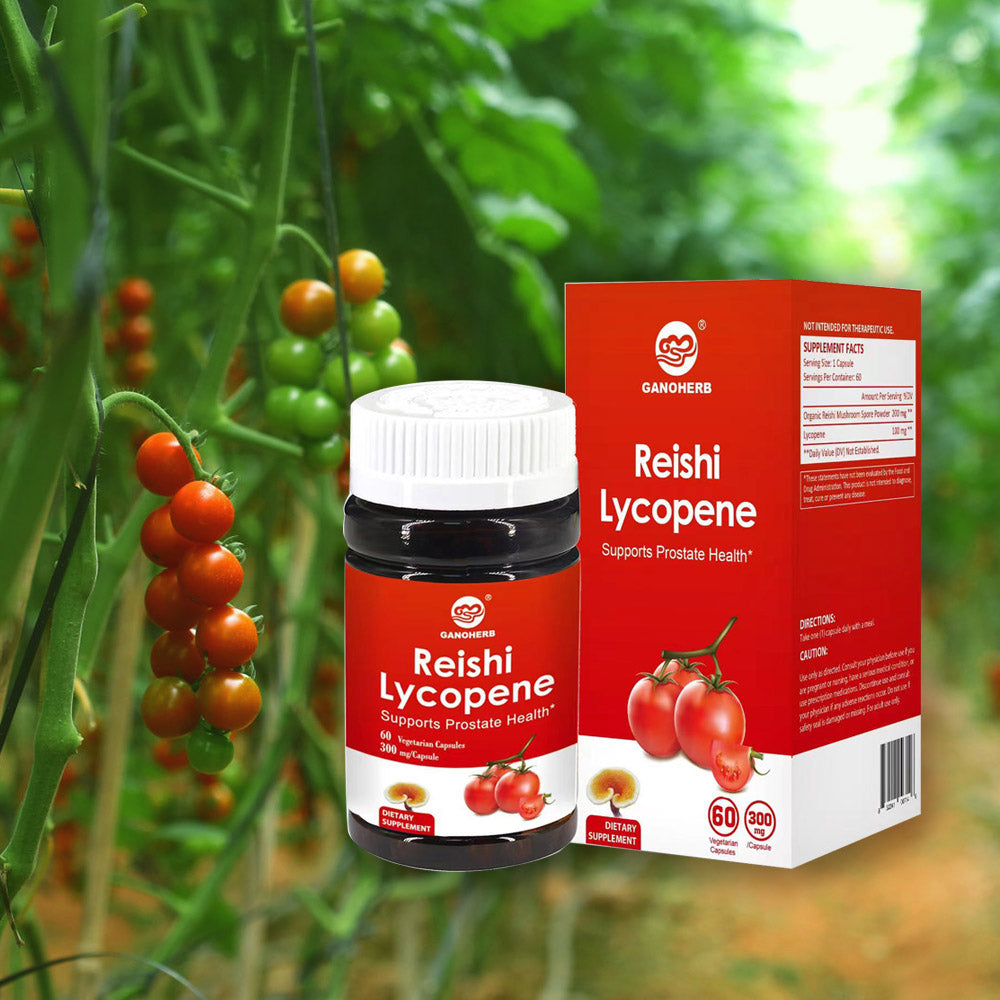


7 Key Factors to Consider When Buying Ganoderma Capsules: A Buyer’s Handbook
The modern approach to dietary habits is defined by a single word: efficiency. We want high-quality ingredients, but we rarely have the time to source, prepare, and cook them in traditional ways. This is particularly true for botanical products that have been used for centuries.
Among these botanicals, the Red Reishi mushroom (Ganoderma lucidum) stands out. Historically, utilizing this fungus was a labor-intensive process involving long hours of boiling woody conks to extract a bitter tea. Today, the market has shifted.
Ganoderma capsules have become the primary method for consumers to access this ingredient. They offer a clean, tasteless, and precise way to include the mushroom in a daily regimen. However, the convenience of the capsule format often hides the complexity of what is inside.
Not all capsules are created equal. The difference in price, composition, and processing between brands can be staggering. Whether you are a consumer looking to add this to your pantry or a retailer looking to source a product, understanding the mechanics of these supplements is vital.
Here is a detailed breakdown of the technical, commercial, and practical aspects of selecting the right product.

1. The Composition: Spores, Extracts, or Mycelium?
When you pick up a bottle of ganoderma capsules, the first thing to investigate is the source material. The Ganoderma inside can come from three very different parts of the fungal lifecycle, and they are not interchangeable.
First, there is the Fruiting Body. This is the mushroom cap and stem that you see growing on a log. Supplements made from this are usually hot-water extracts. They are rich in beta-glucans and typically represent the traditional method of consumption.
Second, there is the Mycelium. This is the root system of the mushroom. In commercial farming, mycelium is often grown on a grain substrate like rice or oats. When harvested, the grain is often ground up with the roots. Capsules containing mycelium often have a higher starch content and a different profile than the fruiting body.
Third, there is Spore Powder. These are the microscopic seeds released by the mushroom at maturity. They are harvested and processed separately. Spore powder is oily and dense.
Understanding which part of the mushroom is in the capsule is the first step in determining value. A capsule filled with grain-based mycelium is cheaper to produce than one filled with concentrated fruiting body extract.
2. The Science of Shell-Breaking Technology
If you choose ganoderma capsules that contain spore powder, you encounter a unique technical challenge. The spores of the Reishi mushroom are protected by a double-walled shell made of chitin.
Chitin is the same hard substance found in the shells of crabs and lobsters. It is incredibly durable and indigestible by the human system. If you swallow raw spores, they will simply pass through the body unchanged.
To solve this, manufacturers use shell-breaking or cell-cracking technology. This involves physical processes, such as vibration mills or ultra-low temperature airflow, to fracture the hard outer shell of the spore.
High-quality capsules will state the cracking rate or breaking rate on the label or technical sheet. A rate of 98% or higher is the industry standard for premium products. This ensures that the material inside the spore is physically accessible, rather than locked away.
3. Concentration and Extraction Ratios
For capsules containing extracts (made from the fruiting body), you will often see numbers like 10:1 or 20:1. This is the extraction ratio.
A 10:1 ratio means that 10 pounds of raw, dried mushrooms were used to create 1 pound of extract powder. The fibrous material and water have been removed, leaving behind a concentrated powder.
This is a crucial metric for value. If one brand sells a bottle of ganoderma capsules for $20 with a 1:1 ratio (essentially just ground mushroom dust), and another sells a bottle for $30 with a 10:1 ratio, the $30 bottle is vastly more concentrated.
However, a higher ratio isn't always better in a linear sense; it just means it is more processed. The extraction method matters too. Dual extraction means the manufacturer used both hot water and alcohol. This is important because some compounds in Ganoderma are water-soluble, while others (like triterpenes) are only soluble in alcohol. A dual-extracted capsule offers a broader spectrum of the mushroom's profile.
4. The Economics: Wood-Grown vs. Grain-Grown
Price is a major point of confusion for buyers. Why do prices fluctuate so wildly? The answer often lies in the farming method.
Grain-grown Ganoderma (usually mycelium) is produced in indoor warehouses in plastic bags. It is a fast process, taking only a few weeks to a month. It is controlled, sterile, and scalable. This results in a lower-cost raw material.
Wood-grown Ganoderma attempts to mimic nature. Farmers inoculate hardwood logs and bury them in the soil or place them in shade houses. The mushroom grows over several months, absorbing nutrients from the wood. This method requires land, physical labor, and significantly more time.
Consequently, ganoderma capsules sourced from wood-grown mushrooms command a premium price. They are often marketed as authentic or traditional because the mushroom develops fully, producing the characteristic bitterness and woody texture associated with high-quality Reishi.
5. Capsules vs. Powders: The Convenience Factor
While many purists prefer loose powder to make tea, the capsule market dominates for a reason: taste management.
Ganoderma is naturally bitter. Specifically, the triterpenoids found in high-quality extracts produce a strong, lingering bitterness that many people find unpalatable. Mixing the loose powder into water or smoothies can ruin the flavor of the drink.
Ganoderma capsules bypass the taste buds entirely. This allows users to consume a potent dose of the extract without the need for sweeteners or masking agents.
Furthermore, capsules offer oxidation protection. Loose powder in a jar is exposed to air every time the lid is opened. Over time, this can degrade the quality of the oils, especially in spore powder products. A capsule provides an extra layer of barrier protection, keeping the contents fresh until the moment of consumption.
6. Identifying Fillers and Flow Agents
In the manufacturing of any supplement, flow agents are often used. These are substances that keep the powder from clumping during the encapsulation process, ensuring the machines run smoothly.
Common additives include magnesium stearate or silicon dioxide. While these are standard in the industry, purists often look for ganoderma capsules that are free from these additives.
Additionally, cheaper brands may use fillers like brown rice flour or maltodextrin to bulk up the capsule. If a capsule is 500mg, but only 200mg is Ganoderma extract and 300mg is rice flour, the value proposition drops significantly.
Reading the Other Ingredients section of the label is non-negotiable. Ideally, the list should be very short: just the mushroom extract and the capsule material itself.
7. The Vegetable vs. Gelatin Debate
The material of the capsule shell itself is a consideration for many consumers, particularly those with dietary restrictions.
Traditional capsules are made from gelatin, which is derived from animal by-products (usually bovine or porcine). These are cost-effective and have a long history of use.
However, the market is shifting toward veggie caps or HPMC (hydroxypropyl methylcellulose) capsules. These are plant-based and suitable for vegetarians and vegans.
Given that Ganoderma is a fungus and falls into a plant-based diet category, most premium brands now default to vegetable capsules to align with their customer base. If a product is labeled Vegan Friendly, check to ensure the capsule shell matches that claim, not just the mushroom powder inside.
8. Private Label and Supplier Considerations
For businesses looking to enter the market, sourcing ganoderma capsules is a booming industry. Many suppliers offer OEM (Original Equipment Manufacturer) or private label services.
This means a factory produces the capsules, and you simply apply your brand's label. When vetting these suppliers, looking at their Certificate of Analysis (COA) is critical.
A COA is a document from a third-party lab that verifies the content. You should look for:
Heavy Metal Testing: Mushrooms are bio-accumulators, meaning they absorb heavy metals from the soil. Clean sourcing is essential.
Microbial Testing: Ensuring the product is free from harmful bacteria or mold.
Active Compound Verification: Does the lab report confirm the presence of beta-glucans or triterpenes?
Reliable suppliers will have no issue providing this documentation before you place an order.
9. Integration into Daily Routine
Once purchased, how does one fit these capsules into a lifestyle? Unlike caffeine supplements which have an immediate kick, botanical mushrooms are often viewed as part of a long-term routine.
Most users take ganoderma capsules with warm water. Warm water is believed to help dissolve the gelatin or vegetable shell faster and aid in the dispersion of the powder in the stomach.
Timing varies by preference. Some prefer the morning to set a tone for the day, while others prefer the evening. The lack of caffeine in pure Ganoderma makes it versatile; it won't keep you awake if taken at night.
Consistency is generally prioritized over timing. The capsule format removes the friction of preparation, making it easier to maintain a daily habit compared to brewing tea.

10. The Visual Check
Believe it or not, you can learn a lot just by looking at the capsule. If the bottle is clear, observe the color of the powder.
Dark Brown/Black: This usually indicates a hot water extract. The darker the color, often the more concentrated the extract.
Light Tan/Beige: This can indicate a ground mycelium product (due to the grain content) or a non-extracted mushroom powder.
Rich Earthy Brown: This is typical of cracked-shell spore powder.
While color isn't a definitive test of quality, it provides a visual clue that can help you verify if the product matches the label's description.
Frequently Asked Questions
Q1: What is the recommended way to store ganoderma capsules?
A1: You should store the bottle in a cool, dry place away from direct sunlight. A pantry or a kitchen cabinet is ideal. Avoid the bathroom cabinet, as the humidity from showers can penetrate the bottle over time and cause the capsules to stick together or degrade the powder inside.
Q2: Can I open the capsule and pour the powder into my coffee?
A2: Yes, you can. If you prefer not to swallow pills, you can pull the capsule apart and stir the contents into hot water, coffee, or a smoothie. Be aware that the taste will likely be bitter if it is a high-quality extract, so you may want to add a sweetener or mix it with a strong-flavored beverage.
Q3: How many capsules are typically taken in a day?
A3: Dosage depends entirely on the concentration of the product. For a concentrated 10:1 extract, a standard serving might be 1 to 2 capsules per day (approx. 500mg-1000mg). For less concentrated powders, the serving size might be higher. Always follow the specific Suggested Use instructions printed on the manufacturer's label.
Q4: Is there a difference between Reishi capsules and Ganoderma capsules?
A4: No, they are the same thing. Reishi is the Japanese name for the mushroom, while Ganoderma refers to the scientific genus name (Ganoderma lucidum). Lingzhi is the Chinese name. In the supplement market, these terms are used interchangeably to refer to the same fungal species.
Q5: Can I take ganoderma capsules with other supplements?
A5: Yes, they are commonly taken alongside other daily supplements such as multivitamins, Vitamin C, or Omega-3s. There are no known common culinary interactions that would prevent them from being part of a broader supplement stack. Some users prefer to take them with food to aid digestion.