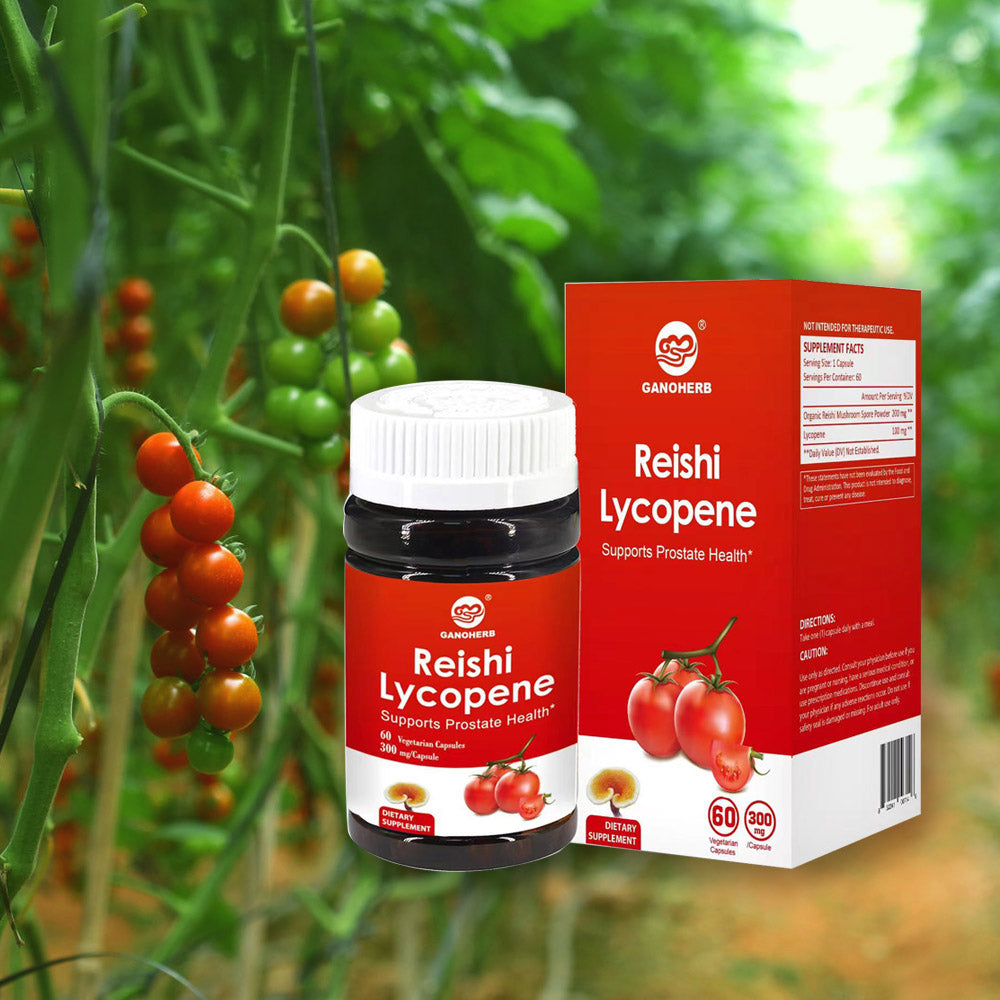


7 Things You Should Know Before Buying a Red Reishi Supplement
In the vast world of botanical products, few items command as much respect and curiosity as the Red Reishi mushroom. Known scientifically as Ganoderma lucidum, this fungi is easily recognized by its glossy, varnished red cap and kidney-shaped structure. It does not look like the mushrooms you put on a pizza. It is hard, woody, and bitter.
Despite its inedible texture in its raw state, it has become a staple in the modern wellness market. Today, finding a red reishi supplement is as easy as walking into a health food store or browsing online. However, the quality and composition of these products vary wildly.
For the consumer, this creates a challenge. How do you distinguish between a high-quality extract and a bottle of sawdust? Understanding the background, the processing methods, and the flavor profile is essential.
Here is a detailed look at what you are actually buying when you pick up a bottle of this storied mushroom.

1. A History of Nobility and Scarcity
To understand the value of a red reishi supplement, you have to look at its past. For thousands of years, this mushroom was not something the average person could access.
In ancient Asian cultures, Red Reishi grew in the wild, primarily on decaying plum or oak trees. It was incredibly rare. Some historical records suggest that out of thousands of old trees, only a few would host a healthy Reishi mushroom.
Because of this scarcity, it was reserved for nobility. It was often depicted in art, ink paintings, and tapestries held by emperors or sages. It became a symbol of status and good fortune.
It was not until the late 20th century that cultivation techniques were perfected. This breakthrough allowed the mushroom to be grown on a commercial scale, making the red reishi supplement available to the general public for the first time in history. When you take this product, you are participating in a tradition that was once exclusive to royalty.
2. The Importance of the Growing Medium
One of the most critical factors determining the quality of a red reishi supplement is how the mushroom was grown. There are two primary methods used today: wood log cultivation and grain-based cultivation.
Wood Log Cultivation:
This is the traditional method. Farmers inoculate hardwood logs with Reishi spores and bury them in the ground or place them in shade houses. The mushroom grows slowly, absorbing nutrients from the wood over several months. This mimics nature. The result is a dense, fully formed fruiting body (the cap and stem).
Grain/Mycelium Cultivation:
In this method, the fungal root system (mycelium) is grown in plastic bags on a substrate of rice, oats, or sorghum. The mushroom often never produces a full cap. Once the roots have colonized the grain, the entire block—grain and all—is ground up.
When you buy a red reishi supplement, you want to know if you are paying for the mushroom or the rice it grew on. Products made from wood-grown fruiting bodies are generally considered to be more aligned with traditional use.
3. Extraction Matters: Water vs. Alcohol
Raw Red Reishi is tough. It contains chitin, the same hard substance found in lobster shells. The human digestive system struggles to break down chitin. If you were to simply grind up the raw mushroom and eat it, you would not access many of the compounds locked inside.
This is why extraction is vital. A high-quality red reishi supplement will typically undergo a dual-extraction process.
Hot Water Extraction:
Boiling the mushroom in water for long periods releases water-soluble compounds. This is similar to making a very strong tea or stock.
Alcohol Extraction:
Some compounds in Reishi are not water-soluble. They need ethanol to be released. Soaking the mushroom in alcohol pulls these non-water-soluble elements out.
The best supplements combine these two liquids and dry them into a powder. This ensures you are getting the full spectrum of the mushroom's profile. If a label simply says mushroom powder without mentioning extraction, you might just be consuming indigestible fiber.
4. The Taste of Bitterness
Flavor is a major indicator of quality. If you open a capsule or taste a powder and it tastes like bland flour or sweet cereal, be suspicious.
True Red Reishi is intensely bitter. This bitterness comes from specific triterpenoids found in the mushroom. In the culinary world, bitterness is often a flavor we try to mask, but in the world of functional mushrooms, it is a badge of honor.
If you are buying a red reishi supplement in powder form to add to beverages, be prepared for this profile. It does not blend seamlessly into fruit smoothies.
It pairs best with other strong flavors. Dark chocolate, coffee, and roasted chicory are excellent companions. The bitterness of the mushroom complements the bitterness of the cocoa or coffee bean, creating a rich, earthy drink.
5. Spores and Shell-Breaking Technology
There is another component to the Reishi mushroom: the spores. These are the microscopic seeds released by the mushroom at maturity.
Some traditions place high value on the oil found inside these spores. However, just like the mushroom body, the spores have a hard outer shell. They are microscopic, but they are tough.
If you purchase a red reishi supplement that focuses on spore powder, you must ensure it is cracked-shell or broken-cell spore powder.
Manufacturers use high-tech physical methods, often involving vibration or pressure, to crack these shells open. Without this processing, the spores would simply pass through the body unchanged. This is a specific niche within the market, often commanding a higher price due to the processing technology required.
6. Forms and Lifestyle Fit
The market offers Red Reishi in various formats. Choosing the right one depends on your daily routine.
Capsules:
This is the most convenient method. It bypasses the bitter taste entirely. It is ideal for travelers or those who want a consistent dosage without any preparation time.
Powders:
Loose powder offers versatility. You can adjust the amount you use. You can blend it into coffee or stir it into hot water. It connects you more to the sensory experience of the herb. However, it requires a tolerance for the flavor.
Tinctures:
These are liquid extracts usually suspended in alcohol. They are taken by the dropperful, often directly under the tongue or in a small glass of water. Tinctures are shelf-stable and absorb quickly, but the strong alcohol taste can be off-putting for some.
Tea Slices:
You can still buy dried, sliced Reishi mushrooms. These are for the slow-living enthusiast. You must simmer them on the stove for at least an hour to create a tea. It is a ritualistic process, but time-consuming.
7. Understanding the Cost
You will notice a massive price discrepancy when shopping. One bottle might cost $15, while another red reishi supplement costs $60.
This is rarely just branding. The cost usually reflects the production method.
Grain-grown mycelium is cheap and fast to produce. It can be grown in a warehouse in the US or Europe in a matter of weeks. The final product includes a significant amount of grain starch, which adds weight but lowers the cost.
Wood-grown fruiting bodies take months to grow. They require natural environmental conditions. Harvesting is labor-intensive. The extraction process adds another layer of time and energy costs.
When you pay a premium, you are paying for time, wood, and extraction. It is a classic case of getting what you pay for.
8. Checking for Fillers
Because the powder is brown and earthy, it is easy to hide fillers inside capsules. Common fillers include brown rice flour or maltodextrin.
While these ingredients are not harmful, they dilute the product. You are buying a red reishi supplement, not a rice supplement.
A simple way to test a loose powder at home is the iodine test. Iodine turns blue or black in the presence of starch. Since a pure Reishi fruiting body extract contains very little starch, the iodine should remain orange or brown. If it turns black instantly, the product likely contains a high amount of grain filler.
Reading the Other Ingredients list on the back of the bottle is crucial. Ideally, it should be short.
9. The Culinary Connection
While we often think of this as a pill to swallow, Red Reishi has a place in the kitchen.
Chefs who specialize in functional foods often use the liquid extract or powder in broths. A small amount added to a vegetable stock gives it a deep, meaty complexity that is hard to achieve with vegetables alone.
It is also used in desserts. High-quality truffles or chocolate bars infused with red reishi supplement powder are becoming popular. The bitterness cuts the sugar, providing a sophisticated flavor profile similar to a high-percentage dark chocolate.
10. Setting Expectations
We live in a world of instant gratification. We drink an energy drink and feel the buzz in twenty minutes. Red Reishi is not like that.
It is a botanical product that works on a different timeline. It is often described as an herb of accumulation.
Users who integrate a red reishi supplement into their life often view it as a long-term commitment rather than a quick fix. It is part of a broader approach to lifestyle, often accompanied by changes in diet, sleep routines, and activity levels.
11. Sustainability and Sourcing
As demand for fungi increases, sustainability becomes a concern. While cultivation solves the issue of over-harvesting wild patches, the materials used for cultivation matter.
Wood-log cultivation requires trees. Sustainable farms use tree species that regenerate quickly or use logs from sustainable forestry practices.
When researching a brand, look for information about their farm relationships. Do they visit the farms? Do they test for heavy metals? Fungi are bio-accumulators, meaning they absorb everything from their environment, including pollutants. Clean soil and clean water are non-negotiable for a clean final product.
12. The Ritual of the Evening
While many people drink coffee in the morning, the red reishi supplement is traditionally associated with the evening.
This is not a rule, but a common practice. Preparing a warm drink with Reishi powder can act as a signal to the body that the day is over. It replaces the late-night scrolling or the sugary snack.
It is a grounding habit. The earthy taste, the warmth of the cup, and the intentionality of the act serve as a bookend to the day's activities.
13. Navigating the Label Lingo
Labels can be confusing. Here are a few terms you might see on a red reishi supplement bottle:
Polysaccharides: These are long-chain carbohydrates. While important, a high number here can sometimes just mean high starch content from grain.
Beta-Glucans: This is a specific type of polysaccharide found in the fungal cell walls. This is a much better marker of quality than generic polysaccharides.
Triterpenes: These are the compounds responsible for the bitterness. A label that lists triterpene content is usually a sign of a potent, dual-extracted product.
Ratio (e.g., 10:1): This means it took 10 pounds of raw mushrooms to make 1 pound of extract powder. Generally, a higher ratio implies a more concentrated product.

14. Making the Choice
Ultimately, choosing a red reishi supplement is a personal decision based on budget, taste preference, and values.
Whether you choose the traditional bitterness of a wood-grown extract powder or the convenience of a modern capsule, you are engaging with an organism that has fascinated humans for millennia.
It serves as a reminder of our connection to the natural world. It bridges the gap between the damp forests of antiquity and the stainless steel counters of modern kitchens. It is a small, bitter, brown powder, but it carries a heavy weight of history and craftsmanship.
Frequently Asked Questions
Q1: How do I cover up the bitter taste of the powder?
A1: The bitterness of a high-quality red reishi supplement can be intense. The best way to manage it is to pair it with other strong, dark flavors. Mixing it into dark roast coffee, hot chocolate, or a chicory latte works well. You can also add spices like cinnamon, ginger, or cardamom, along with a natural sweetener like honey or maple syrup, to balance the flavor profile.
Q2: Is there a difference between mycelium and fruiting body supplements?
A2: Yes, there is a significant difference. The fruiting body is the actual mushroom cap and stem, which is traditionally used. The mycelium is the root system. Mycelium is often grown on grain, and the final product may contain a high percentage of grain starch rather than fungal compounds. Supplements made from the fruiting body are generally considered to be more potent and authentic to traditional practices.
Q3: Can I cook with the supplement powder?
A3: Yes, you can. The compounds in Red Reishi are generally heat-stable. You can add the powder to soups, stews, or bone broths to add an earthy depth. It can also be baked into brownies or chocolate cookies. However, because it is bitter, you should use it sparingly so as not to overpower the dish.
Q4: How should I store the supplement to keep it fresh?
A4: Moisture is the biggest enemy of powdered extracts. You should store your red reishi supplement in an airtight container in a cool, dark place, like a pantry or cupboard. Avoid keeping it in the refrigerator, as condensation can form inside the bottle when you take it out, causing the powder to clump and harden.
Q5: What time of day is best to take this supplement?
A5: While you can take it at any time, many users prefer to incorporate it into their evening routine. Its earthy, grounding nature makes it a popular choice for a post-dinner beverage or a wind-down ritual before bed, rather than a morning energizer like coffee. However, there is no strict rule, and it depends on your personal lifestyle and preference.