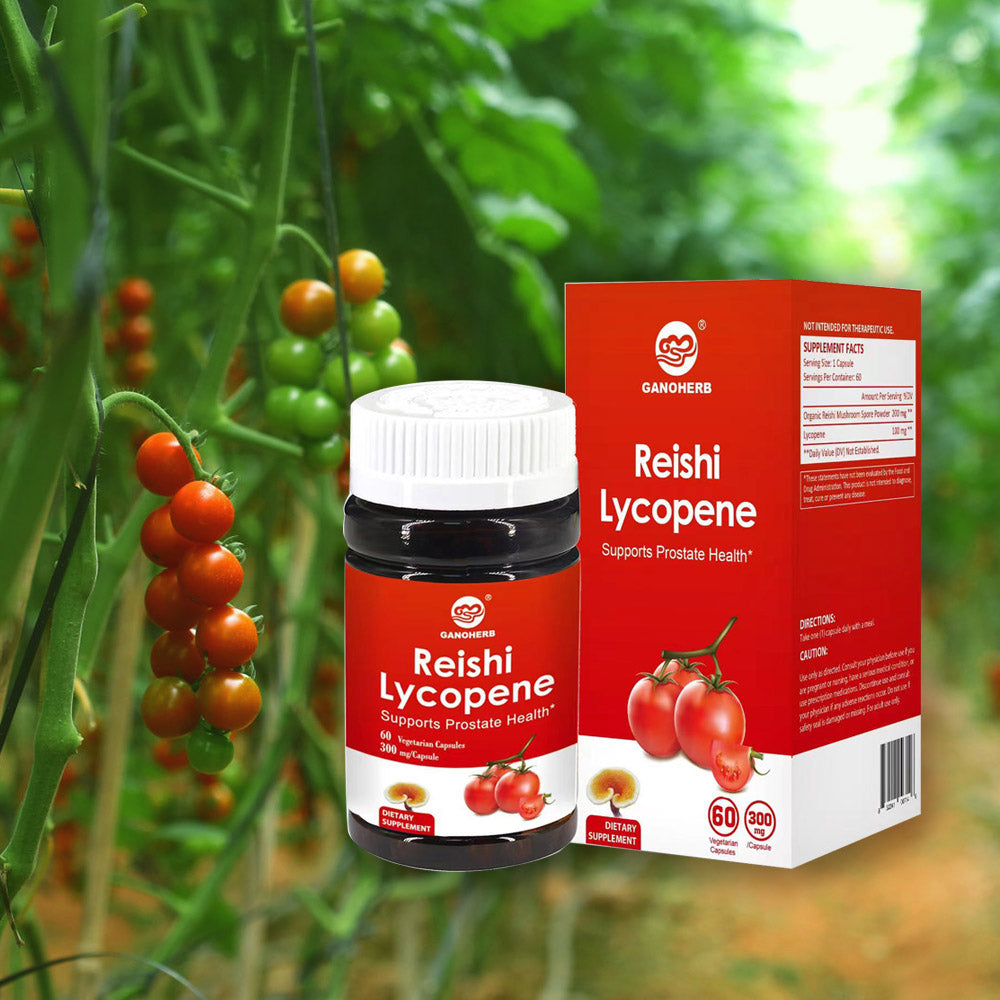


Capsules of Lycopene Mixed Carotene: A Balanced Approach to Skin and Vision Wellness
Many health-conscious individuals look for ways to support their daily nutritional intake. Incorporating plant-derived pigments into a daily routine is a popular method to achieve this goal.
Among the various options available, capsules of lycopene mixed carotene have gained significant attention. These supplements combine two powerful fat-soluble pigments that work together within the body.
If you are new to these naturally derived compounds, understanding how they work is important. This guide will provide clear insights into their safety, benefits, and how to use them.

Understanding Capsules of Lycopene Mixed Carotene
To understand this supplement, it is helpful to look at its individual components first. Lycopene is a naturally occurring red carotenoid found abundantly in tomatoes, watermelons, and pink grapefruits.
Mixed carotenes typically include beta-carotene, alpha-carotene, and other related pigments. These are often derived from carrots, palm fruits, or specific marine algae.
When combined into capsules of lycopene mixed carotene, these ingredients form a comprehensive carotenoid complex. This combination provides a broader spectrum of pigments than single-nutrient supplements.
Because these pigments are fat-soluble, manufacturers usually suspend them in high-quality oils within the capsule. This liquid or semi-liquid delivery format is designed to mimic how these nutrients exist in whole foods.
The Synergy of Blended Carotenoids
Consuming a blend of carotenoids is often considered more advantageous than taking isolated pigments. In nature, plants never contain just one type of pigment; they exist in complex families.
By choosing capsules of lycopene mixed carotene, you are selecting a formula that mirrors natural food profiles. These pigments assist each other during the absorption process within your digestive tract.
Beta-carotene acts as a precursor to Vitamin A, which your body converts as needed. Lycopene does not convert to Vitamin A but offers distinct defensive properties for internal tissues.
This teamwork ensures that different systems in your body receive the specific pigment support they require. It provides a more balanced approach to daily nutritional supplementation.
Potential Wellness Benefits for Beginners
Adding this carotenoid blend to your diet can support several key areas of your physical well-being. Here are the most notable benefits that beginners can expect from regular use:
Environmental Defense: The combination of pigments acts as an internal shield against oxidative stress caused by daily pollution and UV exposure.
Skin Vitality Support: Carotenoids naturally accumulate in the outer layers of the skin, helping to maintain a healthy appearance and natural glow.
Visual System Care: The mixed carotenes, particularly beta-carotene, support healthy vision and assist in maintaining night vision capabilities.
Cardiovascular Wellness: Regular intake of lycopene supports the structural integrity of blood vessels and helps maintain normal lipid profiles.
Prostate Health Considerations: For men, lycopene is known to concentrate in the prostate gland, supporting its long-term structural health.
Are There Potential Side Impacts or Sensitivities?
For the vast majority of people, capsules of lycopene mixed carotene are highly tolerable and safe for daily use. However, some minor physiological changes can occur with high consumption.
A harmless condition known as carotenodermia can occur if you consume large amounts of carotenes over a prolonged period. This causes a temporary, reversible yellow-orange tint to the skin, particularly on the palms and soles of the feet.
This coloration is completely non-hazardous and gradually fades once you reduce your daily dosage. It is simply a sign that your body has stored excess pigments in your fat tissues.
Some individuals with sensitive digestive systems might experience mild stomach discomfort or loose stools when starting. This reaction is often related to the carrier oils used in the capsules rather than the pigments themselves.
Important Safety Considerations and Warnings
While these carotenoid supplements are generally safe, specific groups of people should exercise caution before starting a daily regimen.
Heavy smokers or individuals with a history of significant asbestos exposure should avoid high-dose beta-carotene supplements. Some historical dietary studies suggested that high isolated beta-carotene intake might not be suitable for these specific populations.
Although mixed carotenes are safer than isolated forms, consulting a health professional is still recommended if you fall into these categories. They can help you determine the safest dosage for your lifestyle.
Additionally, pregnant or nursing women must monitor their total Vitamin A intake. Because beta-carotene converts to Vitamin A, it is important not to exceed recommended daily limits to protect fetal development.
How the Body Absorbs Carotenoids Efficiently
Understanding the science of absorption can help you get the most out of your capsules of lycopene mixed carotene. As fat-soluble compounds, these pigments require dietary lipids to be absorbed.
If you take these capsules on an empty stomach with just water, much of the active compound may pass through your system unused. To prevent this, always take your supplement with a meal that contains healthy fats.
Food items like avocados, olive oil, eggs, or nuts are excellent choices to pair with your capsule. The fats in these foods trigger the release of bile, which emulsifies the carotenoids for absorption.
Consistently pairing your supplement with balanced meals ensures that the active pigments are successfully transported to your tissues where they are needed most.
How to Select a High-Quality Supplement
Not all carotenoid supplements are manufactured to the same standards. When shopping for capsules of lycopene mixed carotene, there are several quality markers to look for on the label.
Natural vs. Synthetic Sources: Look for products that state their ingredients are derived from natural sources, such as non-GMO tomatoes and natural algae.
Standardized Extraction: High-quality labels will specify the exact milligrams of active lycopene and beta-carotene rather than just the total oil weight.
Carrier Oil Quality: Check the ingredient list for beneficial carrier oils like organic olive oil, coconut oil, or flaxseed oil.
Third-Party Verification: Choose brands that undergo independent laboratory testing to verify purity and the absence of heavy metals.
How to Integrate This Supplement into Your Routine
For beginners, introducing a new dietary supplement should always be a gradual and structured process. Start by taking one capsule daily to monitor how your digestive system responds.
Establish a consistent time of day for your dose. Many people find that taking their capsule with breakfast or lunch fits most easily into their daily schedule.
Keep a simple journal for the first few weeks to note any changes in your skin, energy levels, or digestion. This helps you track the overall impact of the supplement on your daily well-being.
Store your supplement bottle in a cool, dry place away from direct sunlight. Because carotenoids are sensitive to light and heat, proper storage prevents the active compounds from degrading over time.
Comparing Mixed Blends to Single Pigment Supplements
You might wonder why you should choose capsules of lycopene mixed carotene instead of a standard, single-ingredient lycopene supplement. The distinction lies in how these nutrients behave in nature.
In human biochemistry, nutrients rarely work in isolation. Taking an extremely high dose of a single carotenoid can sometimes interfere with the absorption of other essential pigments.
A balanced blend prevents this competitive absorption issue. It ensures that your intestinal receptors receive a balanced variety of pigments, maximizing overall uptake.
This balanced approach reduces the risk of creating nutritional imbalances in your body. It represents a more holistic method of supporting your physical wellness.
Final Thoughts for Beginners
Investing in capsules of lycopene mixed carotene is a practical way to support your body's defense systems and skin wellness. By choosing a high-quality, natural blend, you align your diet with the wisdom of nature.
Remember to prioritize consistency over high doses, always consume your capsules with healthy fats, and pay attention to how your body feels. With proper usage, this carotenoid blend can become a valuable asset to your daily wellness routine.
Frequently Asked Questions
Q1: Can I get enough lycopene and carotene from my regular diet without taking capsules?
A1: While you can obtain these pigments from eating tomatoes, carrots, and leafy greens, many people find it difficult to consume these foods consistently. Capsules provide a standardized, concentrated daily dose that is easy to maintain.
Q2: How long does it take to see the benefits of capsules of lycopene mixed carotene?
A2: Because carotenoids accumulate gradually in human tissues, it typically takes four to six weeks of consistent daily use to notice changes, particularly in skin appearance and overall physical comfort.
Q3: Will these capsules turn my skin orange?
A3: Skin discoloration only occurs if you consume these supplements in extremely high amounts that far exceed the recommended daily serving. Following the package instructions keeps your intake safe and prevents this harmless condition.
Q4: Can I take this supplement alongside my daily multivitamin?
A4: Yes, but you should check the total amount of Vitamin A and beta-carotene in your multivitamin. Make sure the combined total does not exceed the safe upper limits recommended by nutritional experts.
Q5: Are these capsules suitable for vegetarians and vegans?
A5: This depends on the capsule shell material. Many softgels are made from animal gelatin, but many manufacturers now offer plant-based cellulose or starch capsules. Always check the product label for vegetarian or vegan certifications.