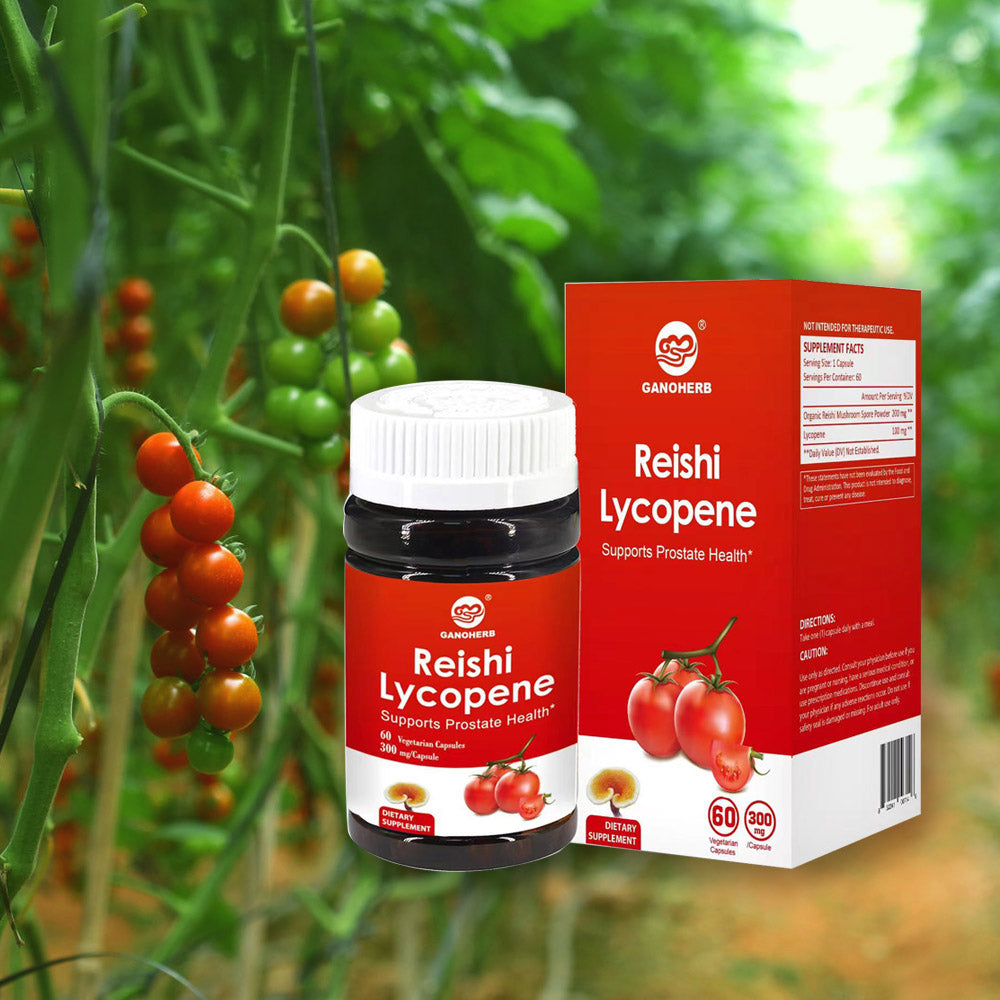


Reishi Mushroom Capsules: Sourcing, Quality Standards, and Daily Usage
The glossy, reddish-brown surface of Ganoderma lucidum is instantly recognizable to anyone interested in the world of fungi. Found growing on decaying hardwood trees in nature, this bracket fungus has a history that spans thousands of years, particularly in Eastern traditions. While historically brewed into bitter teas or soups, modern methods have allowed for a more convenient delivery system: the reishi mushroom capsule.
For many, the transition from raw materials to a shelf-stable product is a mystery. Understanding what goes into these small shells, how the contents are sourced, and the difference between various extraction methods is vital. It allows consumers to make informed choices without needing a degree in mycology.
This article looks at the practical aspects of these supplements, focusing on their composition, manufacturing processes, and how they fit into a contemporary lifestyle.

The Distinct Nature of Ganoderma Lucidum
Unlike the soft, fleshy culinary mushrooms found in grocery stores, such as buttons or portobellos, the reishi is distinct. It possesses a tough, woody texture that makes it difficult to eat in its raw form. The outer surface often looks like varnished wood, which is where it gets some of its nicknames.
Because of this rigid structure, the beneficial compounds are locked tightly within chitin cell walls. Chitin is the same material that makes up crab shells. The human digestive system struggles to break down this tough fiber efficiently on its own.
This physical characteristic is the primary reason why simple drying and grinding are often insufficient. To access the internal profile of the fungus, specialized processing is required. This is where the reishi mushroom capsule comes into play, offering a pre-processed solution that bypasses the need for hours of boiling in a home kitchen.
Fruiting Body vs. Mycelium on Grain
One of the most significant topics in the mushroom supplement industry is the difference between the fruiting body and the mycelium. The fruiting body is the cap and stem—the part that grows above ground. The mycelium is the root system, a web of filaments that grows underground or inside a host log.
Many mass-produced products use mycelium grown on sterilized grain, such as rice or oats. When the mycelium is harvested, the grain is often harvested with it. This can result in a final powder that contains a high percentage of starch and a lower percentage of fungal compounds.
A high-quality reishi mushroom capsule typically contains extracts from the fruiting body. These are usually wood-grown, mirroring the natural environment of the fungus. Consumers looking for authenticity often check labels to see if mycelium, biomass, or grain is listed in the ingredients.
Understanding Extraction Methods
Turning a woody mushroom into a bioavailable powder involves extraction. There are two primary methods used, and often they are combined. The first is hot water extraction. This traditional method involves simmering the mushrooms for extended periods. It is excellent for isolating water-soluble compounds, specifically polysaccharides like beta-glucans.
The second method is alcohol extraction. Some compounds within the fungus, specifically triterpenes, are not water-soluble. They require ethanol to be drawn out. Triterpenes are the compounds responsible for the characteristic bitter taste of the mushroom.
A dual-extract reishi mushroom capsule includes material that has undergone both processes. This ensures a full-spectrum profile, delivering both the polysaccharides and the triterpenes. When browsing options, looking for the words dual extraction is a good way to filter for comprehensive products.
The Importance of Triterpenes
While beta-glucans often get the spotlight in mushroom discussions, triterpenes are equally interesting. In Ganoderma lucidum, these constitute a complex chemical class. There are over 100 different triterpenoids identified in this species.
These compounds are concentrated in the shiny, resinous coating of the cap. This is another reason why using the mature fruiting body is important. Mycelium generally contains negligible amounts of triterpenes.
If you were to open a reishi mushroom capsule and taste the powder, it should be bitter. A lack of bitterness often indicates a lack of triterpenes, which might suggest the product is mostly mycelium or starch. For those who dislike bitter flavors, the capsule format effectively masks this profile.
Analyzing Supplement Facts and Ratios
Labels can be confusing. You might see ratios like 10:1 or 1:1. A 1:1 extract implies that one pound of dry mushroom was used to make one pound of extract. This is essentially a concentrated powder.
A 10:1 extract means ten pounds of mushrooms were concentrated into one pound of extract. While this sounds stronger, it is not always better. Sometimes, concentrating it to this degree can result in the loss of certain spectrums of the plant profile.
When choosing a reishi mushroom capsule, it is beneficial to look for standardized amounts of active compounds. For instance, a label might state that the product contains >30% Beta-Glucans. This offers more transparency than a vague ratio, giving the consumer a clearer idea of what they are ingesting.
Capsule Materials and Dietary Preferences
The shell that holds the extract is just as important as the extract itself, especially for those with specific dietary restrictions. Historically, gelatin has been the standard for softgels and hard shells. Gelatin is animal-derived.
Today, many manufacturers offer vegetable cellulose caps, often listed as HPMC (hydroxypropyl methylcellulose). These are suitable for vegans and vegetarians.
Additionally, checking for flow agents is a smart move. Ingredients like magnesium stearate or silicon dioxide are often added to prevent the powder from clumping during machinery processing. While generally recognized as safe, many purists prefer a reishi mushroom capsule that is free from added fillers or lubricants.

Integrating Reishi into an Evening Routine
Many users find that specific times of day work better for their lifestyle. While some supplements are taken with breakfast to start the day, Ganoderma lucidum is frequently associated with evening rituals.
This is not a rule, but rather a common preference. Incorporating the supplement into a wind-down routine—perhaps alongside a book or after dinner—can help establish a consistent habit. Consistency is vital for any dietary addition.
Unlike caffeine-heavy supplements which have an immediate kick, mushroom extracts are often viewed as something to be taken over the long term. Missing a single dose of a reishi mushroom capsule is not critical, but maintaining a regular schedule ensures a steady intake of the fungal compounds.
Storage and Shelf Life
Mushroom extracts are hygroscopic, meaning they love to absorb moisture from the air. If left exposed, the powder inside the capsules can harden or clump.
It is crucial to keep the bottle tightly sealed. The little silica packet found inside the bottle is there for a reason—do not throw it away. It helps manage internal moisture levels.
Store your reishi mushroom capsule supply in a cool, dark place. A kitchen cupboard away from the stove or a pantry is ideal. Direct sunlight and heat can degrade the potency of the organic compounds over time.
Sustainability and Environmental Impact
The popularity of mushrooms has led to questions about sourcing. Reishi is naturally found on hardwoods, and the best cultivation methods replicate this. Duanwood cultivation involves grafting the fungus onto logs buried in the ground.
This method is considered more sustainable and produces a higher quality fruit body than plastic-bag cultivation. Bag cultivation generates significant plastic waste.
Consumers interested in the ecological footprint of their reishi mushroom capsule should investigate the brand's sourcing. Many transparent companies will explain whether their mushrooms are log-grown or bag-grown, and whether they are harvested from wild-simulated environments or controlled indoor farms.
The Cost Factor
There is a wide price range in the market. You might find a bottle for ten dollars and another for forty. Usually, the price reflects the cultivation and extraction method.
Grain-grown mycelium is cheap and fast to produce. It can be harvested in weeks. Wood-grown fruiting bodies take months to mature and require more labor-intensive harvesting and extraction processes.
When calculating value, look at the price per gram of actual mushroom extract, not just the price per bottle. A cheaper reishi mushroom capsule might be filled with rice powder, making it an expensive source of starch rather than a good source of fungal nutrients.
Pairing with Other Functional Mushrooms
It is becoming common to see stacks or blends of mushrooms. Reishi is often paired with other varieties like Lion's Mane, Chaga, or Cordyceps.
Each of these fungi has a unique profile. Lion's Mane is often chosen for daytime use, while Reishi is reserved for the evening. However, taking them in the same timeframe is generally safe.
Some brands offer multi-mushroom blends in a single reishi mushroom capsule complex. While convenient, these blends sometimes mask the actual dosage of each individual component. If you are specifically interested in the properties of Ganoderma, a single-origin product is usually the superior choice to ensure adequate dosage.
Safety and Interactions
As with any dietary addition, it is wise to be aware of how it fits with your specific physiology. Reishi is generally well-tolerated as a food and supplement.
However, because it can influence blood chemistry in subtle ways, those preparing for surgery or those with specific bleeding conditions usually consult a professional before starting a regimen.
It is also worth noting that because it is a fungus, those with mold or yeast allergies should approach with caution, although allergies to Ganoderma specifically are rare.
The Visual Identification of Quality
If you have transparent capsules, look at the color of the powder. A high-quality dual extract should be a deep, rich brown, sometimes bordering on black or dark chocolate color.
If the powder inside the reishi mushroom capsule is light beige or pale tan, it may indicate a high level of grain filler or a non-extracted milled mushroom powder. The darker color is usually a visual sign of the concentration process and the density of water-soluble compounds.
Summary of Selection Criteria
To summarize, navigating the world of mushroom supplements requires a checklist. First, look for the fruiting body to ensure you are getting the mushroom and not the root system. Second, check for dual extraction to ensure both water and alcohol soluble compounds are present.
Third, verify the other ingredients to avoid unnecessary fillers. Finally, consider the source—wood-grown mushrooms generally offer a superior phytochemical profile.
By paying attention to these details, you can find a reishi mushroom capsule that offers genuine quality. This allows you to integrate this ancient botanical into your modern life with confidence, knowing exactly what you are consuming and where it came from.
Common Questions and Answers
Q1: What is the main difference between taking a powder and a reishi mushroom capsule?
A1: The primary difference is convenience and taste. Reishi extract has a naturally strong, bitter flavor that many people find unpalatable. A reishi mushroom capsule masks this taste completely and allows for a precise, consistent dosage without the need for measuring spoons or mixing into beverages.
Q2: How long does it take to notice a difference after starting?
A2: This varies significantly between individuals. Unlike fast-acting supplements, functional mushrooms are generally considered adaptogens that work over time. Most users aim for consistent daily usage for at least two to four weeks to allow the compounds to integrate into their system and establish a routine.
Q3: Can I open the capsule and put the powder in my coffee?
A3: Yes, you can. The contents are essentially extract powder. However, be prepared for the taste. The bitterness of a high-quality extract can alter the flavor profile of your coffee or tea significantly. If you enjoy earthy, bitter notes, this might be a pleasant addition; otherwise, keeping the reishi mushroom capsule intact is better.
Q4: Is it safe to take these supplements every day?
A4: Yes, for the majority of people, Ganoderma lucidum extracts are designed for daily consumption. They are functionally food-derived supplements. Building a daily habit is often encouraged to maintain a steady level of polysaccharides and triterpenes in the body, rather than taking them sporadically.
Q5: Are reishi mushroom capsules suitable for a gluten-free diet?
A5: It depends on the cultivation method. If the mushroom was grown on a wood log, it is naturally gluten-free. However, if the product is mycelium grown on oats, wheat, or rye, there is a risk of gluten content. You must read the label carefully to ensure the reishi mushroom capsule is certified gluten-free or explicitly states it uses a wood-grown fruiting body.