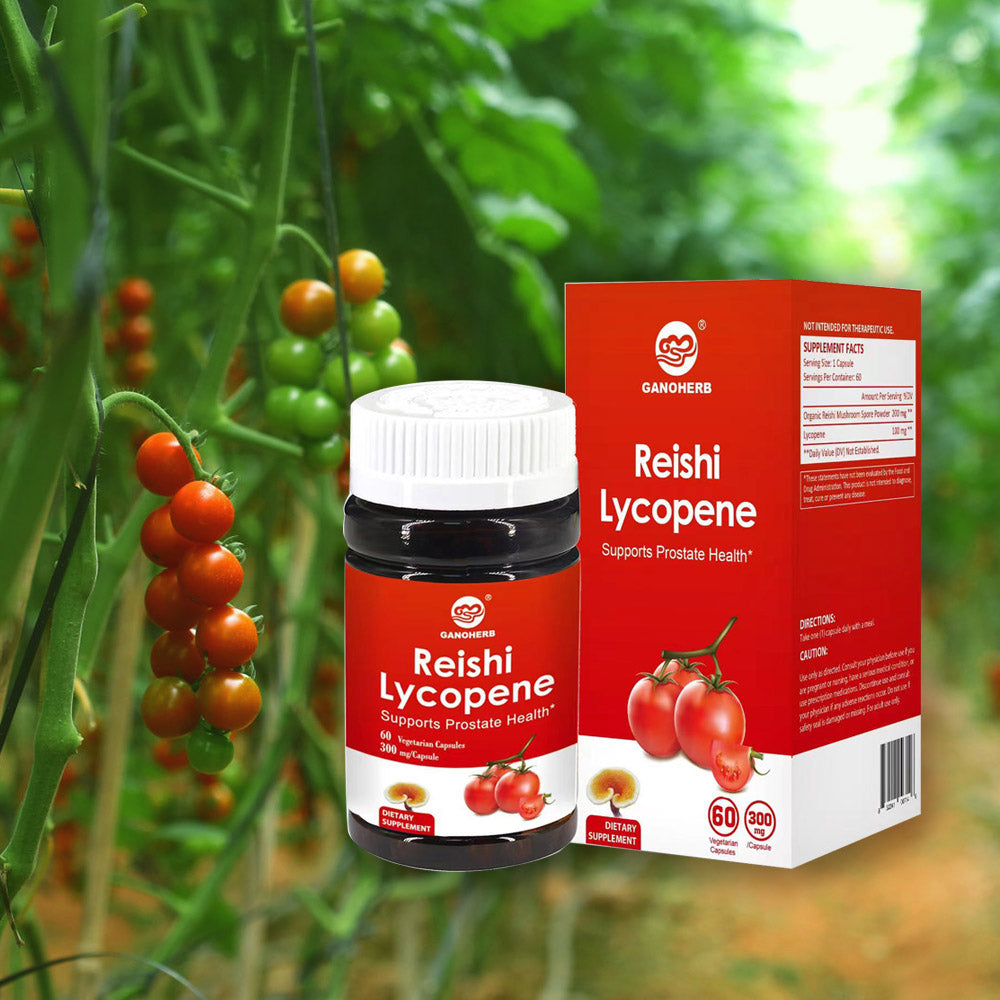


Lycopene Capsules: Adding Natural Tomato Power to Your Daily Routine
When we think of the vibrant colors in our diet, the bright red of a ripe tomato often comes to mind first. This striking hue is not just for aesthetics; it is the visual signature of a carotenoid known as lycopene. While tomatoes are a staple in kitchens worldwide, modern lifestyles have led many to look for convenient ways to include this plant-based compound in their regimen.
Enter the lycopene capsule. This dietary addition has gained attention from those seeking to diversify their nutrient intake without relying solely on meal preparation. Understanding what goes into these softgels, how they are sourced, and the best way to incorporate them into your day is essential for anyone interested in natural wellness.

The Source of the Red Pigment
Lycopene is a pigment found in various red and pink fruits. While tomatoes are the most famous source, it is also present in watermelons, pink grapefruits, and papayas. Unlike some other nutrients that the body can manufacture on its own, this carotenoid must be obtained through external sources.
In nature, this compound protects the plant from light stress. When harvested and processed into a lycopene capsule, the goal is to preserve this organic characteristic. The journey from a vine-ripened fruit to a shelf-stable supplement involves careful extraction methods designed to retain the integrity of the molecule.
Raw Tomatoes vs. Concentrated Forms
A common topic of discussion is the difference between eating raw produce and choosing a supplement. In raw tomatoes, lycopene is tightly bound to the vegetable's fiber. This can sometimes make it difficult for the body to access the pigment during digestion.
Interestingly, processing tomatoes—such as cooking them into a paste or sauce—helps break down these cell walls. This is why many nutritionists suggest that cooked tomato products offer different availability compared to raw ones.
A lycopene capsule is often formulated to mimic this release. Manufacturers usually suspend the extract in an oil base. Since lycopene is lipophilic (fat-loving), it requires dietary fat to be absorbed efficiently. High-quality capsules often use olive oil or soybean oil to facilitate this process, ensuring the body can utilize the contents effectively.
Understanding Bioavailability
Bioavailability refers to how much of a substance enters circulation to have an active presence. With carotenoids, the vehicle of delivery is crucial. If you were to eat a dry powder of lycopene, your body might struggle to absorb it.
This is why you will rarely see dry tablets for this specific nutrient. The industry standard is the softgel. By dissolving the red pigment in a lipid carrier, the lycopene capsule bypasses the initial barrier of absorption. When selecting a product, checking the type of oil used is a smart move. Oils with a healthy profile, such as extra virgin olive oil, are often preferred by consumers who are conscious about every ingredient.
Natural Extraction vs. Synthetic Options
Not all supplements are created equal. In the market, you might encounter lycopene derived from natural sources and others that are synthesized in a lab. Natural lycopene is typically extracted from non-GMO tomatoes.
The chemical structure can differ slightly between the two. Natural lycopene primarily consists of the all-trans isomer, but it also contains other phytonutrients naturally occurring in the tomato, such as tocopherols and beta-carotene. These compounds often work in tandem.
Synthetic versions might isolate just the lycopene molecule. Many users prefer the lycopene capsule sourced directly from the fruit, believing that the full spectrum of the tomato’s profile offers a more holistic approach to supplementation.
Deciphering the Label
Walking down the supplement aisle or browsing online can be overwhelming. Labels are filled with numbers and terminology. When looking for a high-quality lycopene capsule, the dosage is the first thing to check. Common offerings range from 10mg to 20mg per serving.
It is also important to look at the Other Ingredients list. This section will tell you what the shell is made of. Most softgels use gelatin, which is animal-derived. However, for vegetarians and vegans, plant-based shells made from modified starch or seaweed extracts are becoming more available.
You should also check for additives. A clean product will have minimal fillers. The ideal label lists the tomato extract, the carrier oil, the capsule material, and perhaps a natural preservative like Vitamin E (tocopherol) to prevent oxidation.
Integration into a Daily Routine
Consistency is key with any dietary addition. Because lycopene is fat-soluble, the timing of when you take your lycopene capsule matters. Taking it on an empty stomach with a glass of water might not yield the best results.
The optimal time is usually during a meal that contains some fat. This could be breakfast with avocado toast, or dinner with a salad dressed in oil. The presence of dietary fats in your stomach signals the digestive system to release enzymes that aid in fat absorption, which carries the lycopene along with it.
Creating a habit, such as placing the bottle near your coffee maker or dinner plates, helps ensure you don't forget your daily intake. It is about building a sustainable rhythm that fits your lifestyle.
Storage and Shelf Life
Carotenoids are sensitive to light and air. Oxidation can degrade the quality of the nutrient over time. This is why you will often see lycopene capsule products packaged in dark or opaque bottles.
To maintain the freshness of your supplements, store them in a cool, dark place away from direct sunlight and moisture. A kitchen cabinet away from the stove or a pantry shelf is ideal. Do not leave the bottle open for extended periods, and always seal the cap tightly after use.
If you live in a particularly hot or humid climate, check the manufacturer's recommendations. Some might suggest refrigeration, although this is less common for oil-based softgels than for probiotics.
The Role of Color in Diet
There is a philosophy in nutrition often referred to as eating the rainbow. This concept encourages consuming fruits and vegetables of various colors to ensure a broad intake of phytonutrients. Red is a power color in this spectrum.
While a lycopene capsule is a convenient tool, it should be viewed as a companion to a varied diet, not a complete replacement. Enjoying fresh watermelons in the summer, cooking a rich tomato sauce for pasta, and adding red peppers to a stir-fry contributes to this colorful intake. The capsule fills the gaps on days when your menu might be lacking in red foods.
Complementary Nutrients
Lycopene does not work in isolation. In the complex chemistry of nature, it often exists alongside other compounds. Some users choose to pair their lycopene capsule with other supplements.
Common pairings include Lutein and Astaxanthin, other members of the carotenoid family. While they have different distinct colors and sources, they share similar lipid-soluble characteristics. Taking them together is generally considered safe and convenient, provided you respect the recommended intake levels for each.
Vitamin E is another frequent companion. As a natural preservative, it protects the oil in the capsule, but it is also a nutrient in its own right. Many manufacturers inherently include it in the formula for stability.
Who Considers These Supplements?
The demographic interested in lycopene capsule products is vast. It ranges from younger individuals interested in skincare regimens to older adults focused on maintaining a balanced internal environment.
Because it is a non-stimulating supplement, it can be taken at any time of day, making it versatile for shift workers or those with irregular schedules. It does not contain caffeine or ingredients that would disrupt evening relaxation.
Men are often a specific audience for this nutrient due to the high concentration of lycopene found naturally in certain body tissues, but it is equally relevant for women. The universal appeal of the tomato translates well to the universal appeal of its extract.

Manufacturing Standards
The quality of a lycopene capsule is heavily dependent on the manufacturing process. Reputable brands adhere to Good Manufacturing Practices (GMP). This certification ensures that the product is produced and controlled according to quality standards.
Extraction methods vary. Some use chemical solvents like hexane to extract the pigment, while others use Supercritical CO2 extraction. The latter is often regarded as a cleaner method, as it leaves no solvent residue and operates at lower temperatures, preserving the delicate structure of the lycopene.
When researching a brand, looking for solvent-free or CO2 extracted on the marketing materials can be a good indicator of quality.
The Future of Plant-Based Supplements
As consumer interest in plant-based living continues to rise, the demand for phytonutrients like lycopene is expected to grow. Innovation in capsule technology is moving towards better stability and vegan-friendly options.
We are also seeing a trend towards whole food supplements, where the lycopene capsule is not just an isolated molecule but a concentrate of the whole tomato, retaining the complex matrix of the fruit. This aligns with the desire for products that are as close to nature as possible.
Safety and Considerations
Generally, lycopene from food and supplements is well-tolerated. It is a natural part of the human diet. However, more is not always better. Adhering to the suggested serving size on the bottle is important.
Excessive intake of carotenoids can sometimes lead to a harmless condition called lycopenodermia, where the skin takes on a slightly orange or reddish tint. This is reversible by reducing intake. It serves as a reminder that supplements are potent and should be used with moderation and common sense.
Environmental Impact of Sourcing
Sustainability is a growing concern for supplement users. The production of a lycopene capsule relies on tomato farming. Brands that source from sustainable farms that use water efficiently and avoid harsh pesticides are gaining favor.
Some companies use ugly tomatoes—those that are perfectly nutritious but aesthetically unsuitable for the grocery store—to create their extracts. This helps reduce food waste, making the supplement a more eco-friendly choice.
Summary of Benefits
In conclusion, adding a lycopene capsule to your daily regimen is a simple, effective way to ensure you are getting enough of this vital red pigment. Whether you are busy and cannot cook tomato-based meals daily, or you simply want to ensure a consistent intake, these supplements offer a practical solution. By choosing high-quality, oil-based softgels and taking them with meals, you can maximize the potential of this natural compound.
Common Questions and Answers
Q1: Can I take a lycopene capsule if I am allergic to tomatoes?
A1: Generally, it is not recommended. Since most natural lycopene supplements are derived directly from tomatoes, they may carry proteins or compounds that could trigger an allergic reaction in sensitive individuals. You should check the source listed on the bottle; if it says tomato extract, it is best to avoid it or consult a professional to find a synthetic alternative that does not involve the tomato plant.
Q2: Is it better to take the capsule in the morning or at night?
A2: The specific time of day is less important than what you are eating at that time. Because lycopene requires fat for absorption, you should take the lycopene capsule with your largest meal or a meal containing dietary fats like oils, butter, or avocado. If your breakfast is just black coffee and toast, it is better to wait until lunch or dinner to take your supplement.
Q3: How long does a bottle of lycopene capsules typically last?
A3: Most bottles contain a supply for 30, 60, or 90 days, depending on the count (e.g., 60 softgels) and the recommended daily serving (usually 1 or 2 softgels). It is important to check the expiration date upon purchase. Once opened, if stored correctly in a cool, dark place, the capsules should remain fresh until the expiration date printed on the packaging.
Q4: Can I bite into the softgel instead of swallowing it whole?
A4: Yes, you can pierce or bite the softgel, but be aware that the contents usually consist of a red oil that can stain clothing and teeth. The taste might be oily and slightly reminiscent of tomato, which might not be pleasant for everyone. It is designed to be swallowed whole for convenience and to avoid the mess.
Q5: Are there any differences between softgels and hard shells for lycopene?
A5: Yes. Softgels are generally preferred for lycopene because the nutrient is pre-dissolved in oil, which aids absorption and protects the nutrient from oxidation. Hard shells usually contain a dry powder. For the body to absorb the powder, it has to work harder to break it down and emulsify it with fats in your stomach. Therefore, the oil-based lycopene capsule (softgel) is widely considered the superior format for bioavailability.