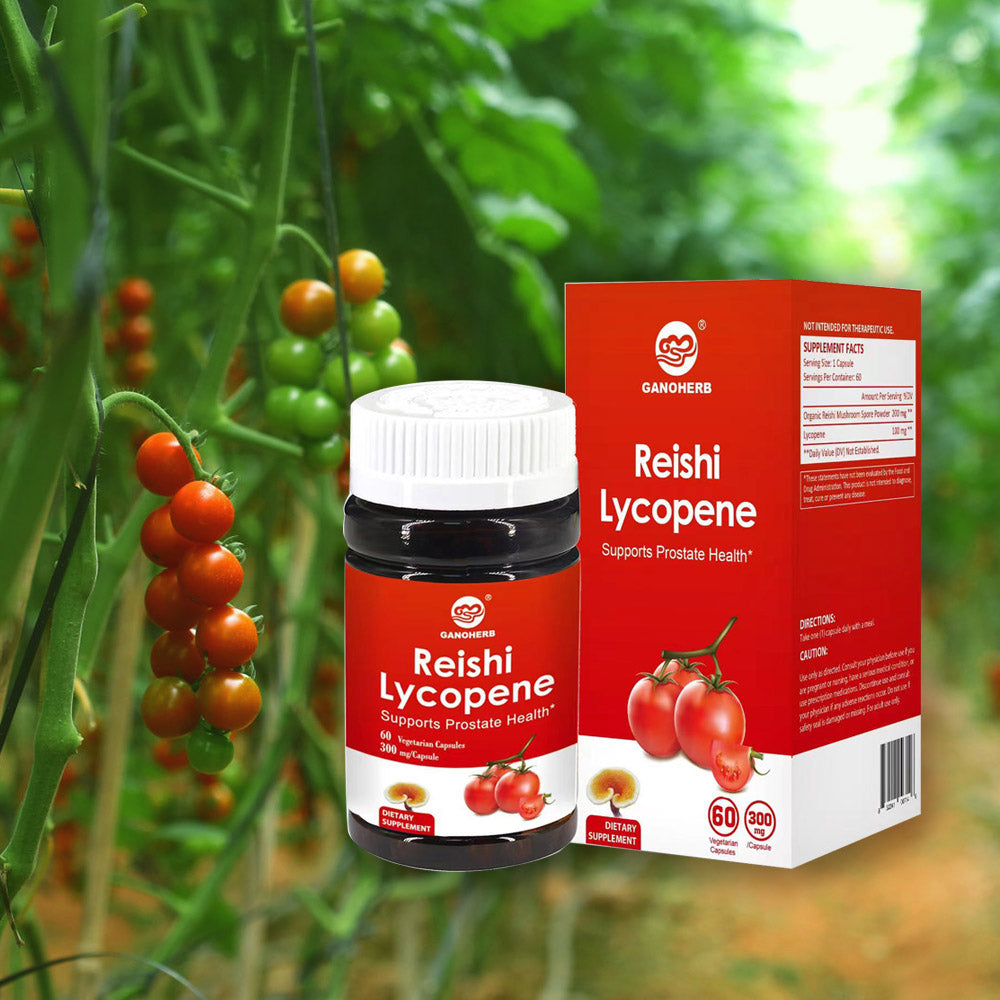


Lycopene Capsules: 6 Must-Know Facts Before You Buy
You’re staring at a bottle on the shelf or an online listing. The label says lycopene capsules. It promises a concentrated form of that powerful antioxidant found in tomatoes. It seems simple enough, but a lot of questions might pop into your head.
What exactly are you getting in that bottle? Is it worth the price? And how do you even choose one from the dozens of options available? You’re not alone in wondering.
More people are looking at lycopene supplements as a convenient part of their routine. This guide walks you through the practical details—from how these tiny capsules are made to what you should look for on the label.

From Vine to Capsule: A Quick History
Lycopene is the natural pigment that gives tomatoes, watermelon, and pink grapefruit their vibrant red color. It’s a type of carotenoid, a family of compounds found in many colorful plants.
For a long time, the only way to get lycopene was through your diet. Think tomato sauce, sun-dried tomatoes, or a slice of watermelon. Scientists became interested in studying this compound more closely in the late 20th century.
They needed a standardized, measurable form to conduct research. This led to the development of extraction technology to isolate lycopene from tomatoes. The goal was to create a pure, consistent ingredient.
The lycopene capsule is the result of that innovation. It’s a modern solution for delivering a precise amount of this plant compound, separate from food. It offers a level of consistency that can be hard to achieve with diet alone.
Today, these capsules are chosen by individuals who want a specific, daily intake without having to consume tomato-based products at every meal.
Inside the Factory: The Making of a Lycopene Capsule
Creating a lycopene supplement is a fascinating blend of agriculture and advanced science. It’s not as simple as drying tomatoes and putting them in a pill.
The process starts with specially selected, high-lycopene tomato varieties. These tomatoes are washed, crushed, and turned into a pulp. The valuable oleoresin, a thick extract rich in lycopene, is then separated from the pulp and water.
Next comes purification. Many high-quality producers use a method called supercritical CO2 extraction. This technique uses carbon dioxide under high pressure to isolate the lycopene without harsh chemical solvents. It results in a very pure lycopene extract.
This extract is a deep red, oily substance. To turn it into a stable powder that can be encapsulated, it’s often blended with a carrier substance. This creates a fine, homogeneous lycopene powder.
Finally, this powder is measured and sealed into capsules—usually softgels because lycopene is fat-soluble. Each batch is tested to ensure every lycopene capsule contains the exact amount promised on the label.
Why Do People Consider Lycopene Capsules?
People look into lycopene supplements for various personal and practical reasons. The main driver is often dietary consistency.
Getting a reliable amount of lycopene from food means regularly eating cooked tomatoes or tomato paste. For those who don’t enjoy these flavors or follow specific meal plans, this can be a challenge. A lycopene capsule offers a simple, predictable alternative.
Some individuals are focused on their intake of antioxidants from colorful plants. They see a capsule as a way to ensure they’re getting a meaningful amount of this specific carotenoid as part of a broader strategy.
Convenience is a huge factor. Life gets busy. Taking a single lycopene softgel with your morning routine is quick and effortless. It removes the need to plan meals around certain foods.
Others are simply curious about the research and want to explore the potential of concentrated plant compounds. A supplement provides a direct way to do that.
The Other Side of the Coin: Points to Ponder
While lycopene capsules are popular, they aren’t a magic bullet. It’s smart to consider the full picture before adding them to your regimen.
First, they are a supplement, not a whole food. A capsule provides isolated lycopene. It misses out on the fiber, vitamin C, potassium, and other beneficial compounds found in a whole tomato. Food offers a complex nutritional package.
Absorption can be tricky. Lycopene is fat-soluble, meaning it needs dietary fat to be absorbed well. Taking your lycopene capsule with a fat-free meal or on an empty stomach might reduce how much your body can use.
The market’s quality varies dramatically. Some brands use high-quality extraction methods and pure ingredients. Others might use cheaper, less effective forms of lycopene or include unnecessary fillers. Not all bottles are created equal.
There’s also a cost consideration. High-quality lycopene supplements from reputable brands are a recurring expense. It’s worth calculating whether this fits into your long-term budget.
Your 5-Point Checklist for Choosing a Quality Product
Walking down the supplement aisle can be overwhelming. Use this simple checklist to find a lycopene capsule you can trust.
1. Look for the Source: The label should clearly state the lycopene is derived from tomato extract or tomato fruit. Some reputable products use a branded ingredient like LycoRed. This is a good sign of standardization.
2. Check the Form and Dosage: Look for lycopene from X mg of tomato extract. A typical dosage ranges from 10 mg to 30 mg of pure lycopene per capsule. Ensure the amount of active lycopene is listed, not just the weight of the extract.
3. Examine the Other Ingredients: The list should be short. For softgels, expect ingredients like extra virgin olive oil or sunflower oil (the carrier fat), and the capsule shell (often gelatin or vegetable cellulose). Avoid products with lots of artificial colors or preservatives.
4. Prioritize Third-Party Testing: Look for a seal from an independent verifier like USP, NSF, or ConsumerLab.com. This means the product has been tested for purity, potency, and label accuracy. It’s the best guarantee of quality.
5. Research the Brand: Choose companies with a strong reputation for transparency. Do they share where they source materials? Do they provide access to Certificates of Analysis (CoAs)? Established, trustworthy brands are usually a safer bet.

Cost Analysis: Understanding the Price Tag
You can find bottles of lycopene capsules for $10 and for $40. What justifies the difference? Understanding the cost drivers helps you assess value.
The extraction method is a major factor. Supercritical CO2 extraction is a premium, clean technology that preserves the integrity of the lycopene. Cheaper products might use chemical solvents, which can leave residues and result in a less pure extract.
The concentration and dosage matter. A bottle of 60 capsules with 15 mg of lycopene each may seem cheaper than a bottle of 30 capsules with 30 mg each. But you need to take two of the lower-dose capsules to match the higher-dose one. Calculate the cost per milligram of pure lycopene.
Brand reputation and testing cost money. Companies that invest in organic sourcing, rigorous in-house testing, and independent third-party verification have higher operational costs. This is often reflected in the price.
To find the best value, don’t just look at the bottle price. Look at the cost per serving of a verified, high-quality product. A slightly more expensive bottle from a certified brand often offers far better value than a cheap bottle of ineffective powder.
The Taste Factor: A Major Advantage of Capsules
One of the most significant benefits of choosing a lycopene capsule is the complete lack of taste or texture during consumption.
Unlike drinking tomato juice or taking a gritty powder, swallowing a softgel is quick and sensory-neutral. There’s no aftertaste, no need to mix it into a drink, and no flavor to mask.
This is a major advantage for people who are sensitive to tastes or simply don’t enjoy the flavor of concentrated tomato products. It makes consistency easy because there’s no palate fatigue or dislike to overcome.
The capsule format is also discreet and portable. You can take it anywhere, anytime, without any preparation or cleanup. For integrating a lycopene supplement seamlessly into a busy lifestyle, the capsule format is hard to beat.
Frequently Asked Questions
Q1: When is the best time to take a lycopene capsule?
A1: The best time is with your largest meal of the day that contains healthy fats. This could be lunch or dinner. The dietary fat from foods like avocado, olive oil, nuts, or fish helps your body absorb the fat-soluble lycopene effectively.
Q2: Can I get enough lycopene from food alone?
A2: Absolutely. Cooked and processed tomato products are excellent sources. Tomato paste, sauce, and sun-dried tomatoes are particularly concentrated. Watermelon and pink grapefruit also contain lycopene. Lycopene capsules are for those who want a specific, guaranteed intake regardless of their daily diet.
Q3: Are there any side effects from taking lycopene supplements?
A3: Lycopene from food and supplements is generally well-tolerated. In extremely high doses from supplements, some people might experience mild digestive upset. A harmless, temporary condition called lycopenodermia (a slight orange skin discoloration) can occur with excessive intake but fades when you reduce the dose.
Q4: How should I store my lycopene capsules?
A4: Store them in a cool, dry place away from direct sunlight and heat. A kitchen cupboard away from the stove is better than a humid bathroom cabinet. Keep the lid tightly closed to protect the softgels from moisture and air, which can degrade the oil inside.
Q5: Are lycopene capsules suitable for vegetarians and vegans?
A5: You must check the label carefully. The lycopene itself is plant-derived. However, the capsule shell is often made from bovine or porcine gelatin. Many brands now offer vegetarian softgels made from plant cellulose. Look for vegetarian capsule or vegan clearly stated on the packaging.