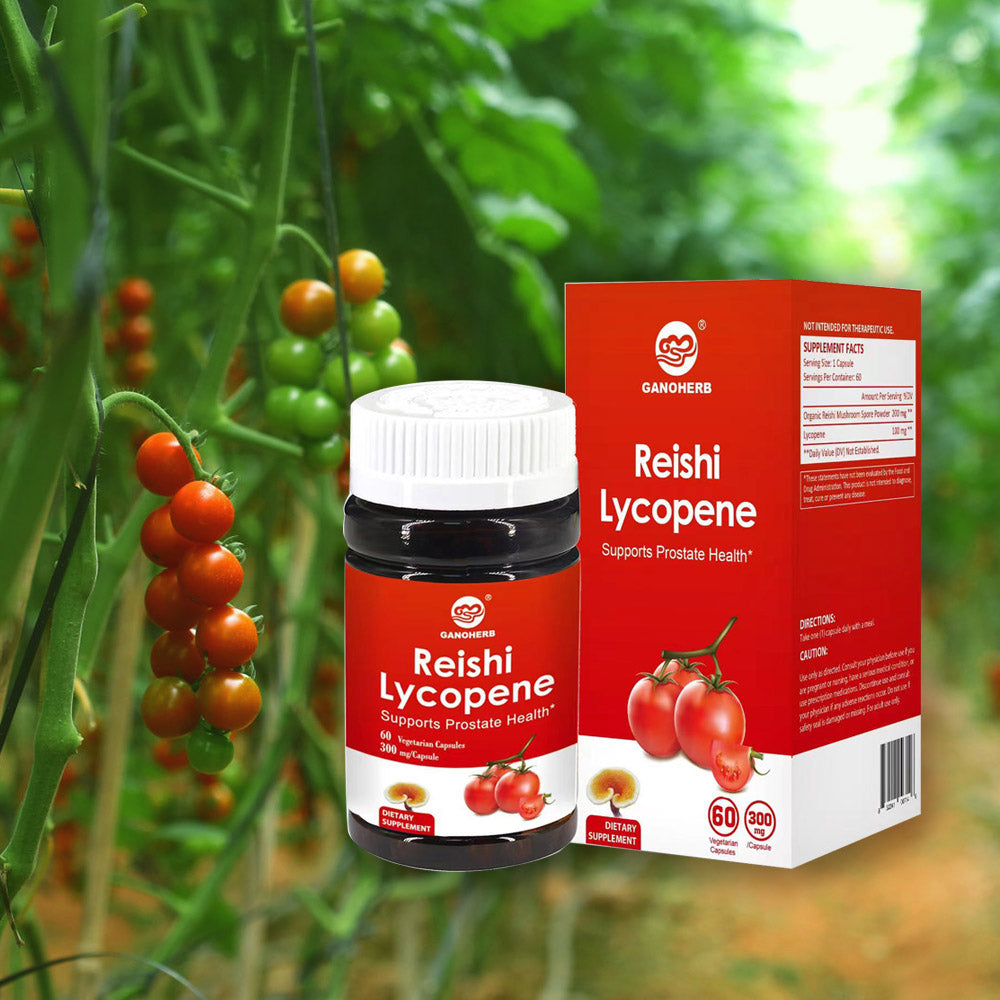


7 Things You Need to Know Before Buying Reishi Mushroom Capsules
You're browsing online or walking down the supplement aisle, and you see them: glossy bottles of reishi mushroom capsules. Their labels often feature images of the distinctive, varnished red mushroom. It's a product that has moved from specialty stores to mainstream shelves. But what exactly are you considering?
These capsules are one of the most popular ways to incorporate this unique fungus into a daily routine. Unlike teas or powders, they offer a measured, convenient, and tasteless option. But not all bottles are created equal.
The decision to try a reishi supplement in capsule form involves more than just grabbing the first one you see. From how it's made to what's inside the capsule, here’s a practical breakdown of what you should know.

A Glimpse into the Past: The Reishi Mushroom's Story
The reishi mushroom, known scientifically as Ganoderma lucidum, holds a significant place in history, particularly across East Asia. For over two millennia, it was referenced in texts and valued within certain cultural frameworks, often associated with nobility and tranquility.
Its traditional use was not typically culinary, as the mature mushroom is woody and bitter. Instead, it was prepared as a long-simmering tea or a finely powdered ingredient. This preparation was seen as a way to access the mushroom's properties.
The modern reishi mushroom capsule is a direct descendant of this practice. It takes the concept of consuming reishi and packages it for contemporary life. The capsule solves the problems of taste and preparation time, offering the essence of the mushroom in a swallowable format.
This evolution from a brewed tea to a refined extract in a capsule represents a fusion of deep tradition with modern convenience, making what was once an elaborate preparation accessible to anyone.
Inside the Machine: How Reishi Capsules Are Produced
The journey to a finished bottle of reishi mushroom capsules is a technical process focused on purity and potency. It starts long before the capsules are filled.
First, the mushrooms must be cultivated. Virtually all commercial reishi is grown on sterile substrates like hardwood sawdust or logs in controlled environments. This allows for a clean, consistent, and sustainable product, free from environmental contaminants.
Once harvested, the hard, woody mushrooms undergo extraction. This is the most critical step. Our bodies cannot break down the tough chitin in raw mushroom cell walls. Manufacturers use hot water extraction, and sometimes a dual extraction with alcohol, to pull the bioactive compounds into a concentrated liquid.
This liquid extract is then carefully dried at low temperatures to create a fine, potent powder—the reishi extract powder that becomes the capsule's core ingredient.
This powder is tested for purity and strength. Finally, it is encapsulated, usually in a vegetable cellulose or gelatin shell, bottled, and sealed to protect it from moisture and light. Every step is designed to preserve the integrity of the original mushroom.
Why Choose a Capsule? The Appeal of This Format
People opt for reishi mushroom capsules over other forms for several very practical reasons. Convenience is the primary driver. It takes seconds to swallow a capsule with water, seamlessly fitting into an existing routine of morning or evening supplements.
There is no taste to manage. Reishi is famously bitter. Teas, tinctures, and even powders mixed into drinks can be challenging for the palate. A reishi capsule delivers the ingredient without any flavor, which is a major advantage for many users.
Precise dosing is another key benefit. Each capsule contains a specific, measured amount of extract. This removes the guesswork associated with scooping a powder or drinking a variable amount of tea. You know exactly what you're getting per serving.
Portability is also a factor. A small bottle of reishi capsules is easy to travel with, requires no preparation tools, and isn't subject to liquid airline restrictions. It allows for consistency in your regimen no matter where you are.
For those seeking a straightforward, no-fuss method of regular intake, the capsule format is often the most logical and sustainable choice.
Important Considerations and Potential Drawbacks
While capsules are convenient, they are not a perfect system. Being aware of their limitations helps set realistic expectations.
The first is cost. High-quality reishi mushroom capsules from a reputable brand are an investment. The processes of organic cultivation, proper extraction, and third-party testing are expensive. You often pay a premium for the capsule format compared to buying bulk extract powder.
You are several steps removed from the whole food. A capsule contains an isolated extract. It does not provide the full matrix of fibers and compounds found in simply consuming the whole mushroom (though the whole mushroom is not digestible without extraction).
Fillers and flow agents are sometimes used in capsule production. While necessary for manufacturing, some brands use more than others. Checking the other ingredients list is crucial if you prefer a minimalist product.
As with any supplement, the effects are subtle and build over time. Don't expect an immediate, perceptible change after taking one reishi capsule. Consistency over weeks and months is how you integrate it into your wellness framework.

A 5-Point Checklist for Choosing Quality Capsules
The market is flooded with options. Use this simple checklist to filter out low-quality products and find a trustworthy reishi supplement.
1. Look for Extract on the Label: The bottle should clearly state Reishi Mushroom Extract, not just Reishi Powder. It should specify the extraction ratio (e.g., 10:1) or the amount of active compounds like polysaccharides and triterpenes.
2. Fruiting Body vs. Mycelium: Prioritize capsules made from the fruiting body extract (the actual mushroom cap). Avoid products labeled mycelium on grain, as these are often mostly starch from the grain substrate with little actual mushroom content.
3. Third-Party Testing: The gold standard is a Certificate of Analysis (CoA) from an independent lab. This verifies the product's purity (free from heavy metals, pesticides) and its potency, ensuring the label is accurate.
4. Full-Spectrum or Isolated: Some capsules contain a full-spectrum dual extract, while others isolate specific compounds. For beginners, a full-spectrum reishi mushroom capsule is generally recommended to get the broad range of the mushroom's profile.
5. Clean Additional Ingredients: The ingredient list should be short. Look for the reishi extract and the capsule material (e.g., vegetable cellulose). Be wary of long lists with unnecessary fillers, artificial flow agents, or additives.
Understanding the Price: From Budget to Premium
You can find reishi capsules for $15 or $50. What accounts for the difference? The price usually reflects the quality and concentration of the contents.
Budget bottles often use reishi powder (unextracted) or mycelium grown on grain. These are cheaper to produce but are significantly less potent. You may need to take many more capsules to get an equivalent amount of bioactive compounds, negating the savings.
Mid-range products typically use a genuine extract, often from the fruiting body. They may have some testing and clearer labeling. This tier offers a good balance of quality and value for most users.
Premium reishi mushroom capsules use high-potency, often organic, fruiting body extracts. They invest heavily in third-party testing, use clean capsule materials, and are transparent about their sourcing and extraction methods. You are paying for verified quality and concentration.
Calculate the cost per serving. A $50 bottle with 90 capsules of a potent extract (take one daily) is about $0.55 per day. A $20 bottle with 60 capsules of a weak powder (where you might need three daily) is also about $0.55 per day. The premium bottle often provides better value and results.
The Experience: What to Expect When Taking Them
Taking a reishi capsule is a simple, sensory-neutral act. There is no taste or texture during consumption. For those sensitive to flavors, this is a significant benefit.
The physical experience is subtle. Unlike a stimulant, you will not feel a sudden kick. The influence of reishi is gentle and supportive, often described as helping to maintain a sense of calm balance within the body's normal rhythms.
Many people choose to take their reishi supplement in the evening. Its historical association with tranquility makes it a popular part of a wind-down routine, potentially supporting the body's natural rest cycle.
Consistency is the most important factor. The compounds in reishi mushroom capsules work best with regular use. Incorporating one or two capsules into your daily routine allows the mushroom's properties to build up in your system over time.
Listen to your body. Start with the lowest suggested serving on a quality product. Notice how you feel over the course of several weeks. Adjust the timing (morning or evening) to find what best suits your personal rhythm.
Frequently Asked Questions
Q1: What is the best time of day to take reishi mushroom capsules?
A1: There's no single best time. Many prefer taking them in the evening due to reishi's traditional link to supporting calmness. Others take them in the morning as part of a foundational routine. Experiment to see what time aligns best with your personal schedule and how you feel.
Q2: How long does it take to notice anything from taking reishi capsules?
A2: Reishi is not a quick-acting supplement. Its influence is gradual and cumulative. Most people report that consistent use over 2 to 4 weeks allows them to notice its subtle, integrative role in their daily sense of well-being.
Q3: Can I take reishi capsules with other supplements?
A3: Generally, yes. Reishi mushroom capsules are commonly combined with other dietary supplements. However, it's always a good practice to space out the intake of different supplements by an hour or two to ensure optimal absorption for each. Consulting with a healthcare provider for personalized advice is recommended.
Q4: Are there any people who should avoid reishi capsules?
A4: As with any new supplement, certain individuals should exercise caution. Those who are pregnant, breastfeeding, or have known allergies to mushrooms should avoid them unless cleared by a professional. It's also wise for individuals scheduled for surgery to discontinue use two weeks prior, due to its potential influence on platelets.
Q5: How should I store my bottle of reishi capsules?
A5: Store them in a cool, dry place away from direct sunlight and moisture. The bathroom cabinet is often too humid. A pantry or kitchen cupboard away from the stove is ideal. Keep the lid tightly sealed to preserve the potency of the reishi extract powder inside.