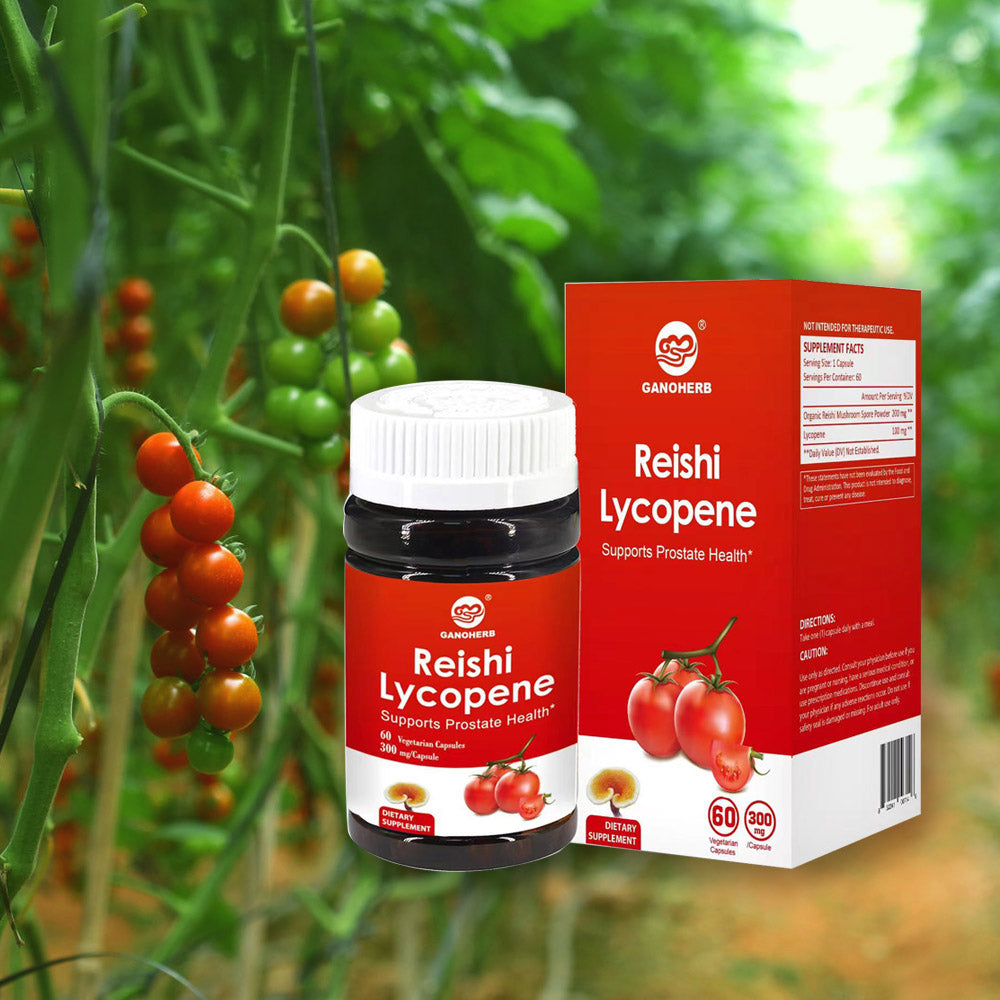


Lycopene Antioxidants Capsules: Formulation Science, Stability, and Industrial Quality Standards
In the domain of nutritional lipids and carotenoid technologies, lycopene antioxidants capsules represent a sophisticated delivery format for one of the most potent singlet oxygen quenchers found in nature. For formulators and procurement specialists, understanding the physicochemical behaviour of lycopene within a capsule matrix is essential to ensure product performance and shelf-life. This article dissects the technical layers—from raw material sourcing and stabilization to bioavailability modulation and analytical verification—providing a data-informed perspective on current industrial practices.

1. Chemical Stability and Antioxidant Mechanism of Lycopene in Encapsulated Form
Lycopene is a C40 isoprenoid with 11 conjugated and 2 non-conjugated double bonds, granting it exceptional reducing capacity. In a lipid environment, lycopene physically quenches singlet oxygen and scavenges peroxyl radicals. However, the extensive unsaturation also renders the molecule susceptible to isomerization and oxidative degradation. Within lycopene antioxidants capsules, the primary degradation pathways include:
- Thermal isomerization: conversion from all-trans to mono- or poly-cis forms, altering chromophore properties and bioavailability.
- Autoxidation: initiated by traces of hydroperoxides or metal ions, leading to apo-carotenals and cleavage products.
- Photo-oxidation: particularly under UV exposure, promoting radical chain reactions.
Studies indicate that at 25°C, the half-life of all-trans-lycopene in an oil matrix can drop below 60 days without proper stabilization. Consequently, modern capsule formulations incorporate synergistic antioxidants (e.g., rosemary extract, ascorbyl palmitate) and employ oxygen-barrier packaging to preserve integrity.
2. Raw Material Sourcing and Extraction Technologies
The quality of finished lycopene antioxidants capsules is fundamentally linked to the starting material. Industrial suppliers typically offer lycopene from three sources:
- Synthetic lycopene: Crystalline, >96% purity, predominantly all-trans configuration, with consistent batch profiles.
- Fermentation-derived lycopene: Produced via Blakeslea trispora, recognized as natural in many jurisdictions, containing a mixed isomer profile.
- Tomato oleoresin: Extracted from tomato skins, co-supplying other carotenoids (phytoene, phytofluene) and lipids.
Supercritical CO₂ extraction is the benchmark for tomato oleoresin intended for premium capsules, as it avoids solvent residues and preserves the native isomer ratio. For crystalline grades, micronization is often required to improve dispersibility in the lipid fill.
2.1 Critical Quality Attributes for Raw Materials
- Isomeric distribution (all-trans vs. cis).
- Residual solvent content (if solvent extraction is used).
- Heavy metal profile (As, Cd, Pb, Hg) compliant with pharmacopoeial thresholds.
- Microbiological purity: total aerobic count, absence of pathogens.
3. Formulation Strategies to Overcome Instability
The design of a robust lycopene antioxidants capsules requires a multifactorial approach to protect the payload. Softgel capsules are the predominant format due to their airtight seal and ability to accommodate non-aqueous fills. Key formulation parameters include:
3.1 Carrier Oil Selection
The oil matrix directly impacts lycopene solubility and oxidation kinetics. Medium-chain triglycerides (MCT) offer excellent oxidative stability but limited lycopene solubility; long-chain oils (olive, sunflower) dissolve more lycopene but may contain unsaturated sites that accelerate degradation. Blends are often optimized to balance solubility and stability. For instance, a 70:30 MCT:olive oil blend can increase lycopene loading by 40% compared to MCT alone while maintaining acceptable rancimat induction times.
3.2 Antioxidant Synergy
Binary or ternary antioxidant systems are standard in commercial lycopene antioxidants capsules. Common combinations include:
- 200–500 ppm mixed tocopherols (to interrupt propagation).
- 50–100 ppm ascorbyl palmitate (to regenerate tocopherols).
- 250–1000 ppm rosemary extract (carnosic acid as a hydrogen donor).
Accelerated stability studies (40°C/75% RH) demonstrate that such combinations reduce lycopene loss from >30% to below 10% over six months.
3.3 Physical Stabilization: Beadlets and Emulsions
For hard-shell capsules or multi-particulate formulations, lycopene is often processed into beadlets via spraychilling or fluidbed coating. A typical beadlet composition includes a carbohydrate matrix (sucrose, maltodextrin), a colloidal stabilizer (modified starch), and an antioxidant system. The beadlet technology isolates lycopene from pro-oxidants and enables controlled release profiles.
4. Bioaccessibility and Absorption Enhancement
A persistent technical challenge with lipophilic carotenoids is their low oral bioaccessibility. When evaluating lycopene antioxidants capsules, industrial buyers should scrutinize the delivery system's ability to present lycopene in an absorbable form. Key enhancement approaches include:
- Lipid-based vehicles: Co-administration with 2–5 g of digestible lipids (preferably long-chain triglycerides) stimulates bile secretion and micelle formation.
- Self-emulsifying systems: Formulations containing surfactants (e.g., polysorbate 80, sucrose esters) that spontaneously form fine oil-in-water emulsions upon contact with gastrointestinal fluids.
- Particle size reduction: Nanosuspensions with mean particle diameters <200 nm increase surface area and saturation solubility.
- Isomer enrichment: Cis-lycopene is more soluble in bile salt micelles; some manufacturers deliberately induce partial isomerization during processing to boost bioaccessibility by 50–80%.
5. Quality Control and Analytical Verification
For B2B transactions, specifications for lycopene antioxidants capsules must be supported by validated analytical methods. The industry reference is HPLC with diode array detection (HPLCDAD) at 472 nm, following AOAC 2011.11 for food supplements. Typical release parameters include:
- Assay: 90–110% of declared lycopene content.
- Isomer profile: all-trans ≥70% unless specified otherwise.
- Dissolution testing: For hard capsules, ≥75% dissolved in 60 minutes using a biorelevant medium (e.g., FaSSIF).
- Peroxide value (PV) and anisidine value (AV): To monitor lipid oxidation in the fill (PV <5 meq/kg, AV <20).
Stability protocols should include long-term (25°C/60% RH) and accelerated (40°C/75% RH) conditions, with sampling at 0, 3, 6, 12, and 24 months. Losses of lycopene exceeding 15% at 24 months warrant reformulation.

6. Industrial Applications and Market Considerations
Beyond classic nutritional supplements, lycopene antioxidants capsules are increasingly specified in:
- Functional foods: Incorporation into gummies or fortified cooking oils (requires high thermal stability).
- Sports nutrition: Combination products with omega3 or coenzyme Q10, leveraging antioxidant synergy.
- Cosmeceuticals: Oral beauty-from-within formulations (note: avoiding any health claims).
Purchasing decisions are influenced by certifications: nonGMO, organic (for tomato oleoresin), kosher, halal, and cleanlabel declarations. Suppliers should provide technical dossiers demonstrating stability in the intended final matrix, as well as compatibility with other active ingredients.
Frequently Asked Questions (FAQ)
Q1: What is the typical lycopene concentration range found in commercial lycopene antioxidants capsules?
A1: Most softgel capsules contain between 5 mg and 30 mg of lycopene per unit, depending on the target application. Concentrates up to 20% lycopene in oil suspensions are used for highstrength formulations. Beadletbased capsules may have lower potency but offer enhanced protection against oxidation.
Q2: How do I verify that the lycopene in a capsule remains stable during its declared shelf life?
A2: Request realtime stability data at 25°C/60% RH for at least 12 months, supported by accelerated data at 40°C/75% RH. The data should include assay, isomer profile, and oxidation markers (PV, AV). A competent supplier will also provide photosensitivity studies if the primary packaging is transparent.
Q3: Are there compatibility issues when combining lycopene with other lipophilic ingredients in a single capsule?
A3: Lycopene is generally compatible with other carotenoids (lutein, betacarotene) and with vitamin E. However, it should not be coformulated with high concentrations of polyunsaturated fatty acids (e.g., fish oil) without additional antioxidants, as the latter may accelerate oxidation. Compatibility studies are recommended before scaleup.
Q4: What is the difference between using tomato oleoresin and synthetic lycopene in capsules from a technical perspective?
A4: Tomato oleoresin provides a natural matrix with accompanying lipids and carotenoids, which may offer additional stabilizing effects, but its lycopene concentration is lower (6–15%). Synthetic lycopene allows precise dosing and higher purity, yet it requires careful formulation to match the bioaccessibility of the natural isomer mix. Both can produce highquality lycopene antioxidants capsules when properly stabilized.
Q5: What packaging is recommended to preserve lycopene content in capsules?
A5: Opaque highdensity polyethylene (HDPE) bottles or foilstrip blister packs with low oxygen permeability are standard. Oxygen absorbers and desiccants further extend shelf life. For bulk industrial supply, nitrogenflushed laminated bags are preferred over standard polyethylene.
Q6: Can lycopene antioxidants capsules be used in gummy formulations instead of softgels?
A6: Direct incorporation into gummies is challenging because of lycopene's hydrophobicity and sensitivity to heat and moisture during manufacturing. However, encapsulated beadlets or emulsion premixes designed for confectionery can be used. In such cases, the entire process must be validated to ensure minimal degradation and uniform dispersion.
Q7: How are specifications for lycopene isomers defined in procurement contracts?
A7: Specifications often require a minimum content of all-translycopene (e.g., ≥85% for synthetic, ≥70% for natural) and may optionally quantify the main cis isomers (5cis, 9cis, 13cis). Isomer ratios can influence both antioxidant activity and bioavailability, making them a critical quality attribute.
In conclusion, the selection and formulation of lycopene antioxidants capsules demand a multidisciplinary understanding of carotenoid chemistry, material science, and industrial processing. By focusing on robust stabilization, bioaccessibility enhancement, and rigorous quality testing, industry professionals can deliver products that meet the high expectations of discerning clients and regulatory frameworks.