

How Does Coffee with Mushroom Powder Taste? A Complete Roast and Flavor Guide
Modern specialty coffee culture has shifted toward intentional daily habits that value flavor nuance just as much as morning alertness. Across independent cafes and home espresso bars, coffee with mushroom powder has emerged as a refined culinary pairing rather than a passing beverage trend. By combining freshly roasted Arabica beans with concentrated extracts of functional fungi such as Reishi, Lion's Mane, Chaga, and Cordyceps, coffee drinkers can incorporate naturally occurring nutritional compounds into a familiar, comforting cup.
Many newcomers hesitate before trying mushroom-infused brews because they assume fungal ingredients will overpower the delicate aromatics of single-origin beans. In practice, high-grade extraction methods produce clean, soluble powders that integrate smoothly with roasted coffee oils. Instead of masking origin characteristics, well-matched mushroom extracts complement chocolate, toasted nut, and caramel notes already present in medium and dark roasts. Understanding how roast profiles, extraction ratios, and water temperatures interact allows anyone to prepare coffee with mushroom powder that delivers a velvety mouthfeel and balanced daily enjoyment.

The Culinary Chemistry of Coffee with Mushroom Powder
To appreciate why certain mushroom blends taste remarkably smooth while others fall flat, it helps to examine the food science behind both coffee roasting and fungal processing. Roasted coffee beans contain hundreds of aromatic volatile compounds formed during the Maillard reaction, including pyrazines, furans, and phenolic esters. These compounds create the familiar scent of dark chocolate, browned butter, and toasted almonds.
Fungal fruiting bodies, particularly species like Reishi and Chaga, naturally contain non-volatile savory amino acids, beta-glucan polysaccharides, and triterpenoids. When dried, ground, and properly extracted, these components contribute a gentle umami roundness. In culinary formulation, umami acts as a natural flavor bridge—it softens sharp edges in dark roasts and adds body to lighter brews without introducing sweetness or dairy.
Why Extraction and Particle Size Dictate Mouthfeel
Raw, unextracted mushroom flour rarely performs well in hot beverages. Fungal cell walls are composed of chitin, a dense structural polysaccharide similar to dietary fiber that does not dissolve in hot water. Stirring raw dried mushroom powder directly into an espresso or pour-over results in suspended particles settling at the bottom of the mug.
Premium producers solve this texture challenge through controlled hot-water extraction or dual extraction (using both water and food-grade alcohol), followed by spray-drying into an ultra-fine 80-to-120 mesh powder. This process separates water-soluble beta-glucans and flavor aromatics from indigestible chitin fibers. When you stir a spray-dried extract into hot coffee with mushroom powder, the fine particles disperse rapidly, maintaining a clean, uniform body from the first sip to the last.
Popular Functional Varieties: Flavor Profiles and Roast Pairings
Not all functional mushrooms share the same culinary personality. Just as coffee drinkers distinguish between washed Ethiopian beans and honey-processed Brazilian beans, each mushroom species brings a distinct aromatic signature to the cup. Selecting the right match for your preferred roast transforms an ordinary morning drink into a balanced café-style beverage.
Reishi (Ganoderma lucidum): Deep Roasted Notes and Velvety Depth
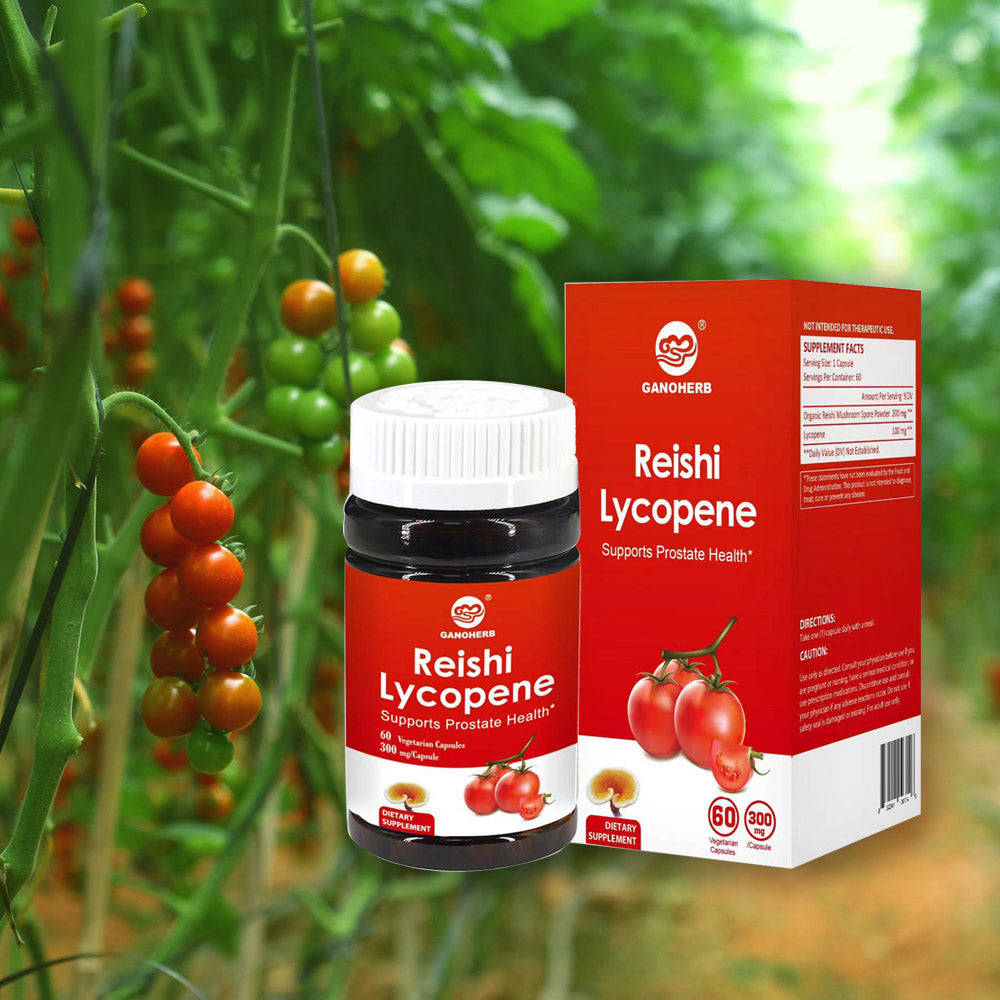
Reishi has been prized in culinary and botanical traditions across East Asia for centuries. In the cup, concentrated Reishi fruiting body extract carries a bold, toasted, cocoa-adjacent profile with subtle hints of dark caramel and charred wood. Because of its pronounced depth, Reishi pairs naturally with medium-dark to dark roast coffees from Sumatra, Guatemala, or Brazil.
To bring out its natural richness, baristas frequently combine Reishi-infused coffee with mushroom powder alongside steamed oat milk, raw cacao powder, or a pinch of Ceylon cinnamon. The natural fats in oat or almond milk bind smoothly with Reishi's aromatic triterpenes, yielding a dessert-like richness with zero added sugar.
Lion's Mane (Hericium erinaceus): Delicate Sweetness and Clean Finish
Visually striking with its cascading white spines, Lion's Mane is widely favored by specialty coffee purists because of its remarkably mild palate. High-purity Lion's Mane extract offers a light, subtly sweet, and faintly savory character that integrates cleanly without altering the core identity of a delicate single-origin brew.
Because it stays quietly in the background, Lion's Mane is an ideal choice for light-to-medium roasts featuring bright fruit vibrancy or floral aromatics, such as washed Colombian or Kenyan lots. Drinkers who enjoy black pour-over coffee without creamer often choose Lion's Mane as their primary morning companion.
Chaga (Inonotus obliquus): Warm Vanillin Aromas for Espresso
Wild-harvested Chaga develops on birch trees in cold northern climates, absorbing phenolic compounds from the bark over several years. Among these compounds is vanillin—the exact same aromatic molecule responsible for the warm scent of real vanilla beans. As a result, Chaga extract produces an inviting, wood-oven-toasted aroma with comforting vanilla undertones.
Chaga excels in concentrated brews such as Americanos, Moka pot coffee, and cold brew. Its deep amber hue and smooth, lingering finish make it easy to incorporate into daily espresso routines without needing heavy syrups.
Cordyceps (Cordyceps militaris): Mild Nutty Warmth for Active Mornings
Cultivated Cordyceps militaris provides a crisp, clean, and gently nutty flavor profile that sits comfortably between Lion's Mane and Chaga. It adds subtle warmth without heaviness, making it well suited for daytime iced coffees, cold-foam lattes, and medium-roast drip brews that pair well with moderate caffeine intake.
Coffee with Mushroom Powder: Roasting Profiles and Brewing Methods
How you introduce mushroom extract to your coffee matters just as much as the beans you choose. Currently, consumers encounter two primary formats: pre-blended ground mushroom coffee bags and standalone functional mushroom powders meant to be stirred into freshly brewed coffee.
While pre-mixed instant packets offer travel convenience, brewing specialty whole-bean coffee separately and adding standalone extract gives you complete control over freshness, dosage, and grind size. Moreover, brewing mushroom powder inside a paper-filtered drip machine can trap beneficial extracts in the paper filter or leave residue inside espresso group heads. Whisking the extract directly into the finished cup ensures full dissolution and protects your brewing equipment.
- Pour-Over (V60, Chemex, or Kalita Wave): Brew your coffee using water heated between 198°F and 203°F (92°C–95°C). Place your measured mushroom extract at the bottom of a pre-warmed mug, pour in a splash of the fresh brew, swirl briskly for ten seconds to dissolve, and top with the remaining coffee.
- Espresso and Milk Beverages: Pull a standard double shot directly over 500mg to 1,000mg of mushroom powder in a demitasse or latte glass. Stir with a small spoon or handheld frother before pouring textured milk on top for seamless crema integration.
- French Press: Plunge your coarse-ground coffee after a four-minute steep, decant the coffee into your mug or thermal carafe, and whisk in the powder afterwards. Adding powder before plunging risks losing concentrated extract solids in the spent coffee grounds.
- Cold Brew Concentrates: Dual-extracted powders dissolve well in warm liquid, though they can clump in ice-cold water. Dissolve your mushroom dose in two tablespoons of hot water first to create a smooth liquid shot, then pour it over iced cold brew.
Quality Benchmarks When Choosing Coffee with Mushroom Powder
As consumer demand for functional beverages continues rising, supermarket shelves and online marketplaces have filled with blends of varying quality. Evaluating product labels through an objective, nutrition-focused lens helps separate authentic culinary extracts from diluted filler powders.
Fruiting Body Extracts vs. Myceliated Grain
A critical distinction on any functional mushroom label involves which part of the organism was harvested. True mushrooms are the above-ground fruiting bodies, whereas mycelium is the thread-like root structure that develops underneath. In commercial production, mycelium is frequently cultivated on sterilized bags of brown rice, oats, or sorghum. When harvested, the grain substrate cannot be fully separated from the mycelium, meaning the final powder can contain substantial amounts of residual grain starch.
From a culinary standpoint, high starch content creates a thick, oatmeal-like sediment at the bottom of your coffee cup. Choosing products made exclusively from 100% fruiting body extracts guarantees cleaner dissolution, richer natural flavor, and substantially greater concentrations of naturally occurring beta-glucans rather than alpha-glucan grain starches.
Extraction Ratios and Clean Ingredient Labels
Look closely at the extraction ratio printed on the supplement or nutrition panel. Ratios such as 8:1 or 10:1 indicate that eight or ten pounds of raw dried fruiting bodies were concentrated down to produce one pound of finished extract powder. Concentrated extracts require far smaller serving sizes—typically half a teaspoon (around 1 gram)—to deliver meaningful nutritional density while keeping the flavor profile refined.
Additionally, inspect the Other Ingredients section. Reliable brands avoid synthetic carriers like maltodextrin, silicon dioxide, artificial sweeteners, or gums. When purchasing pre-blended coffee with mushroom powder, verify that the product lists 100% specialty-grade Arabica beans rather than unspecified commercial blends, along with exact milligram quantities of each mushroom extract per serving.
Analytical Transparency and Cultivation Standards
Because fungi naturally absorb minerals and trace compounds from the wood, soil, or air surrounding them, cultivation environment and post-harvest testing are essential quality markers. Reputable suppliers provide third-party Certificates of Analysis (COAs) confirming clean screening for heavy metals, agricultural residues, and microbial purity. Certified organic status—such as USDA Organic or EU Organic—further demonstrates that both the coffee beans and the mushrooms were cultivated without synthetic pesticides.
Three Barista-Tested Recipes for Daily Balance
Integrating coffee with mushroom powder into your kitchen routine takes less than two minutes once you know the proper proportions. Each recipe below is calibrated for balanced flavor, smooth texture, and a gentle daily coffee experience.
1. Velvet Reishi Cacao Oat Latte
- Ingredients: 1 double shot of medium-dark roast espresso (approx. 60ml), 1,000mg dual-extracted Reishi fruiting body powder, 1 teaspoon unsweetened raw cacao powder, 180ml barista-blend oat milk, and 1/2 teaspoon pure maple syrup (optional).
- Method: Place the Reishi powder and cacao in your mug. Pull the hot espresso directly into the mug and whisk with a handheld milk frother until silky and lump-free. Steam the oat milk to 145°F (63°C) until micro-foam forms, then pour slowly into the espresso base to finish.
2. Crisp Lion's Mane Morning Pour-Over
- Ingredients: 18g medium-light washed Arabica coffee (medium-fine grind), 300ml filtered water heated to 200°F (93°C), and 750mg Lion's Mane fruiting body extract.
- Method: Brew your pour-over normally using a 1:16.5 coffee-to-water ratio over roughly three minutes. Warm your favorite ceramic mug, add the Lion's Mane powder, pour in 50ml of hot coffee to dissolve the extract completely, and add the remaining brew. Serve black to appreciate the clean, crisp finish.
3. Iced Chaga Vanilla Cold Brew
- Ingredients: 120ml smooth cold brew coffee concentrate, 120ml chilled filtered water, 500mg Chaga extract powder, 30ml hot water, 1/4 teaspoon pure vanilla extract, and a splash of almond milk.
- Method: Dissolve the Chaga powder in the 30ml of hot water inside a tall glass until completely clear. Add ice cubes, pour in the cold brew concentrate, chilled water, and vanilla extract, then stir gently. Top with almond milk for a refreshing afternoon pick-me-up.

Making Coffee with Mushroom Powder a Sustainable Habit
Building an enjoyable coffee routine comes down to consistency, ingredient transparency, and respect for flavor. When crafted with clean Arabica beans and concentrated fruiting body extracts, coffee with mushroom powder offers an approachable way to pair classic coffee enjoyment with naturally occurring nutritional compounds. Whether you prefer the deep cocoa notes of Reishi in a steamed oat latte or the quiet subtlety of Lion's Mane in a morning pour-over, paying attention to roast harmony and dissolution technique ensures every cup tastes as good as it feels.
Frequently Asked Questions About Coffee with Mushroom Powder
Q1: Does adding mushroom powder make coffee taste savory or mushroom-like?
A1: High-quality fruiting body extracts do not taste like culinary button mushrooms cooked in a skillet. When properly extracted and paired with roasted coffee, varieties like Lion's Mane and Cordyceps are nearly imperceptible, while Reishi and Chaga contribute subtle toasted, cocoa-like, and vanilla-adjacent depth that blends naturally with coffee aromatics.
Q2: How much mushroom powder should I add to a standard 8-ounce cup of coffee?
A2: Most concentrated extract powders work well at a serving size between 500mg and 1,500mg (roughly 1/4 to 1/2 teaspoon) per 8-ounce cup. Starting with 500mg allows you to evaluate how the powder integrates with your preferred roast and milk choice before adjusting upward to suit your taste.
Q3: Can I put mushroom powder inside my drip coffee maker basket or espresso portafilter?
A3: It is generally better to mix mushroom extract into your mug after brewing rather than placing it in the coffee basket. Fine extract powders can clog paper filters, slow down water flow rates, leave residue inside espresso shower screens, and lose potency trapped in wet coffee grounds.
Q4: Does coffee with mushroom powder contain less caffeine than regular coffee?
A4: Mushrooms themselves are completely caffeine-free. Adding mushroom extract to your normal home-brewed coffee does not reduce the caffeine already present in your beans. However, many pre-packaged mushroom coffee blends use a higher ratio of extract to instant coffee or incorporate decaffeinated beans, resulting in roughly 40mg to 60mg of caffeine per cup compared to 95mg in a standard drip brew.
Q5: What is the main difference between fruiting body extract and mycelium powder in coffee?
A5: Fruiting body extracts come exclusively from the mature mushroom cap and stem, delivering concentrated beta-glucans and clean water solubility. Mycelium powders are often grown on grain substrates such as brown rice or oats, which introduces residual starch into the final powder and can create a slightly thick or starchy texture when stirred into hot coffee.
Q6: What water temperature works well for dissolving mushroom extracts in coffee?
A6: Water temperatures between 185°F and 205°F (85°C–96°C) dissolve spray-dried mushroom extracts quickly while preserving delicate coffee aromatics. If you are making an iced coffee or cold brew, whisk the powder into a small splash of hot water first to create a smooth concentrate before pouring it over ice.