

5 Key Aspects of Mushroom Mix Coffee for Daily Routines
Morning coffee rituals are shifting away from overly intense, high-caffeine cups toward beverages that offer greater culinary nuance and a balanced flavor profile. For coffee enthusiasts seeking a smoother alternative without stepping away from the aroma of freshly roasted beans, a thoughtfully formulated mushroom mix coffee offers an appealing daily option. By pairing specialty-grade Arabica beans with concentrated extracts of culinary fungi such as Reishi, Lion's Mane, Chaga, and Cordyceps, modern roasters have created a beverage category centered on rich mouthfeel, naturally occurring mushroom compounds..
Understanding what separates a well-crafted functional coffee blend from a mediocre one requires looking beyond marketing slogans. From extraction ratios and particle fineness to roast development and caffeine content per serving, every detail shapes how the beverage tastes in your mug and how seamlessly it fits into your everyday coffee habits.

How Mushroom Mix Coffee Balances Roasted Flavor and Daily Nutrition
At its core, mushroom mix coffee is a culinary pairing between traditional roasted coffee and dried, concentrated mushroom extracts. Unlike slicing culinary button mushrooms into a frying pan, functional coffee blends rely on specific varieties prized for centuries in East Asian and Nordic food traditions for their subtle flavor synergy with roasted botanicals.
From a flavor and sensory standpoint, blending mushroom extracts with coffee changes two measurable aspects of your morning cup:
- Moderated Caffeine Intake: A standard 8-fluid-ounce cup of drip coffee typically delivers around 95 mg of caffeine. Most pre-portioned mushroom coffee blends replace a portion of the coffee solids with concentrated fungal extracts, bringing typical caffeine levels down to roughly 40 mg to 55 mg per serving. This allows coffee drinkers to enjoy multiple cups or an afternoon pour without excessive caffeine intake.
- Naturally Occurring Compounds: Dual-extracted mushrooms contribute naturally occurring polysaccharides, triterpenes, and polyphenols. that complement the natural polyphenols already present in roasted coffee beans.
- Rounded Palate Profile: Quality mushroom extracts soften the sharp edges of high-altitude coffee beans, producing a velvety, cocoa-like finish that pairs remarkably well with both dairy and plant-based milks.
The Four Core Culinary Mushrooms in Functional Coffee Blends
Formulators rarely rely on a single mushroom variety. Instead, multi-mushroom blends combine distinct species to balance taste, texture, and nutritional diversity:
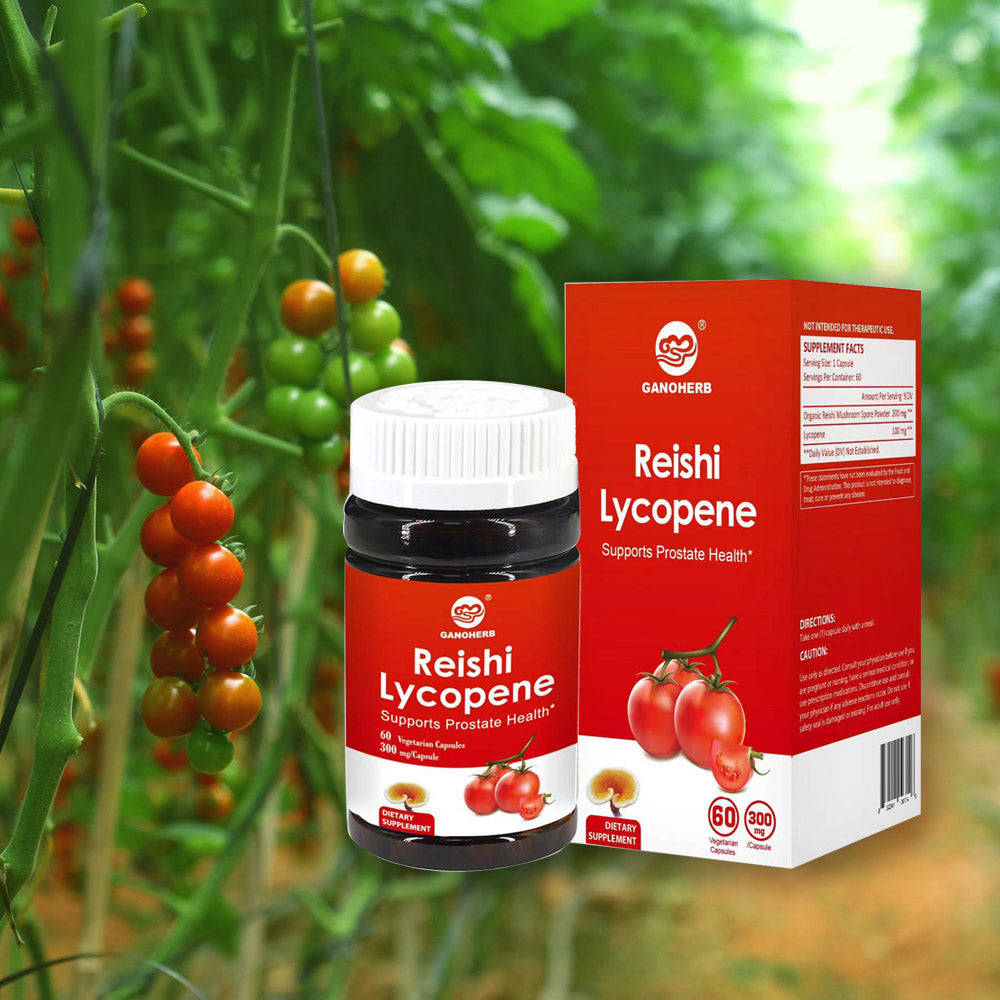
- Reishi (Ganoderma lucidum): Revered in traditional diets, Reishi brings a deep, roasted, almost dark-chocolate undertone when properly extracted and paired with medium-dark coffee. It serves as a foundational ingredient in low-caffeine or decaf blends. Check the label for caffeine content.
- Lion's Mane (Hericium erinaceus): Visually distinctive for its cascading white spines, Lion's Mane offers a mild, faintly sweet, and delicately savory character reminiscent of toasted nuts. It adds body and creaminess to light and medium coffee roasts.
- Chaga (Inonotus obliquus): Harvested primarily from birch trees in colder northern climates, Chaga delivers subtle hints of vanilla and caramelized wood. Historically brewed as a warm steeped beverage on its own, it blends effortlessly into dark-roast espresso profiles.
- Cordyceps (Cordyceps militaris): Cultivated commercially on plant-based substrates, Cordyceps adds a clean, slightly umami warmth without overpowering delicate floral or citrus notes in single-origin coffee.
Fruiting Body vs. Mycelium: Understanding Extract Ratios and Purity
When evaluating functional mushroom blends, one of the most consequential distinctions on an ingredient label is whether the formula uses 100% fruiting body or mycelium on grain. This single manufacturing decision directly affects both cup texture and ingredient density.
The fruiting body is the visible, above-ground cap and stem of the mature mushroom. In contrast, mycelium is the underground root-like network. While mycelium is easy to cultivate indoors on sterilized oats, brown rice, or sorghum, it is virtually impossible to separate the fungal network from the grain substrate during harvesting. As a result, mycelium-based powders frequently contain a high percentage of residual grain starch, which can create a thick, starchy consistency in hot water and dilute the concentration of mushroom solids.
To ensure clean solubility and authentic flavor, reputable producers rely on concentrated fruiting-body extracts. Look for clear concentration metrics on the packaging:
- Extract Ratios (8:1 or 10:1): An 8:1 extract ratio indicates that 8 kilograms of dried fruiting bodies were concentrated down to produce 1 kilogram of finished extract powder. Higher ratios generally yield richer aromatic depth per gram.
- Zero Fillers or Maltodextrin: Premium blends omit cheap spray-drying carriers such as cornstarch or maltodextrin, relying purely on the mushroom extract and coffee solids.
- Transparent Weight Disclosure: Quality labels specify the exact milligrams of each mushroom extract per serving—commonly between 500 mg and 1,500 mg total per cup—rather than hiding behind vague proprietary blends.
Culinary Extraction and Roast Pairing for a Smooth Mouthfeel
Raw dried mushrooms cannot simply be ground up and stirred into hot water; their tough cell walls lock away both flavor and naturally occurring nutrients. Preparing functional fungi for coffee requires careful food-processing methods that prioritize solubility and taste harmony.
Hot-Water and Dual Extraction Methods
Different species yield their signature flavors and compounds through different culinary processes. Lion's Mane and Cordyceps respond well to hot-water extraction, similar to steeping loose-leaf tea for several hours to draw out water-soluble polysaccharides and savory aromatics. Reishi and Chaga, however, contain complex lipid-like compounds alongside their water-soluble components. For these species, manufacturers frequently use dual extraction—combining a prolonged hot-water simmer with a gentle food-grade alcohol wash, followed by evaporation and spray-drying.
The finished extract is milled to an ultra-fine particle size, typically between 80 and 100 mesh. This fineness ensures that when you stir a scoop into steaming water, the powder disperses evenly within 10 to 15 seconds without leaving heavy sediment at the bottom of your mug.
Matching Arabica Roast Profiles with Fungal Extracts
Roasters treat mushroom extracts much like complementary spices or cacao nibs when designing a coffee blend. Light, floral Ethiopian roasts can sometimes clash with the robust warmth of Chaga or Reishi. Instead, seasoned formulators gravitate toward 100% specialty-grade Arabica beans from Colombia, Brazil, or Sumatra roasted to a medium or medium-dark level.
These origins naturally feature tasting notes of roasted hazelnut, brown sugar, and dark cocoa. During roasting, caramelization of the coffee bean sugars creates a velvety base that harmonizes with Reishi's deep cacao-adjacent character and Lion's Mane's gentle sweetness. The result is a balanced cup that tastes unmistakably like rich, freshly brewed coffee.
Comparing Formats: Instant Packets, Ground Roasts, and Creamer Blends
Because consumers have vastly different morning schedules and kitchen equipment, fungi-infused coffee is now available in three primary formats. Selecting the right format depends on convenience, flavor preferences, and how you already prepare your daily beverages.
- Instant Freeze-Dried Sachets: These single-serve packets combine spray-dried or freeze-dried instant specialty coffee with fine mushroom extracts. They require only hot water and a spoon, making them practical for travel, office desks, and busy mornings. A typical 2.5-gram to 3-gram packet delivers a consistent, measured serving of both coffee and extract.
- Pre-Ground Roast Blends: Designed for drip coffee makers, French presses, pour-over cones, and AeroPress brewers, these bags blend medium-coarse roasted coffee grounds directly with granular mushroom extract. Brewing with traditional coffee equipment preserves volatile coffee oils and fills the kitchen with classic roasted aroma, though a small portion of the extract settles smoothly into the brewed liquid as water passes through the filter.
- Latte and Cacao-Infused Mixes: Tailored for those who enjoy café-style drinks, these blends pair coffee and mushroom extracts with organic coconut milk powder, raw-style pure cacao, Ceylon cinnamon, or cardamom. They dissolve into a creamy, lightly spiced beverage that needs no additional creamer.
How to Brew a Velvety Cup at Home
Preparing a functional coffee blend takes just a few small adjustments to your standard routine to bring out its full aromatic potential and silky texture.
- Dial In Water Temperature: If you are using an instant blend, use water heated to 175°F to 185°F (80°C to 85°C) rather than a rolling boil. Slightly cooler water protects delicate flavor aromatics while still dissolving the extract smoothly. For pre-ground blends in a French press or pour-over, stick to the classic coffee range of 195°F to 205°F (90°C to 96°C).
- Measure Your Ratios Accurately: For instant mixes, start with 1 level teaspoon (around 2.5 grams) per 8 fluid ounces of water. For pre-ground blends, use a standard 1:16 coffee-to-water ratio—roughly 15 grams (2.5 tablespoons) of blend to 240 ml of water.
- Froth for Extra Texture: Using a handheld milk frother for 5 to 10 seconds aerates the naturally occurring compounds in Reishi and Lion's Mane, creating a light, espresso-like crema on top of the cup.
- Pair with Complementary Milks: Oat milk enhances the toasted, nutty profile of Lion's Mane, while steamed almond milk or coconut milk pairs naturally with the dark-chocolate notes of Reishi and Chaga. A small pinch of cinnamon or nutmeg can add warmth without needing refined sugar.
Quality Benchmarks to Check Before Buying
As functional coffee blends grow in popularity, product quality across retail shelves varies widely. Reviewing a few key indicators before placing an order helps ensure you receive a clean, flavorful, and accurately labeled product.
- Third-Party Laboratory Testing: Mushrooms naturally absorb minerals and elements from their surrounding environment. Reputable brands submit every production batch to independent food laboratories to verify purity and compliance with strict safety limits for heavy metals and microbial contaminants.
- Cultivation Origin and Substrate: Look for brands that clearly state how their fungi were cultivated. Traditional hardwood-log cultivation for Reishi and Chaga harvested from sustainable birch forests generally yield richer aromatic profiles than rushed indoor alternatives.
- Coffee Bean Freshness: Instant mixes should use freeze-dried specialty Arabica rather than low-grade commodity Robusta, while ground bags should feature a roast date and nitrogen-flushed packaging to preserve fresh flavor.
- Dietary Simplicity: Check the back label for unnecessary gums, artificial flavors, or excessive sweeteners. A high-quality blend relies on clean coffee beans and pure mushroom extracts to carry the flavor.

Making Functional Coffee Part of a Balanced Daily Diet
Building sustainable nutrition habits rarely requires dramatic overhauls; often, it begins by refining the daily rituals you already love. By choosing products crafted from fruiting-body extracts, clean specialty Arabica beans, and transparent extraction ratios, you can seamlessly incorporate mushroom mix coffee into a balanced daily routine. Whether you prefer a quick instant cup before heading out the door or a slow morning pour-over topped with frothed oat milk, this thoughtful pairing delivers roasted comfort, a moderate caffeine level per serving, and natural culinary variety in every sip.
Frequently Asked Questions
Q1: Does mushroom mix coffee taste like culinary white button mushrooms?
A1: No. When formulated with quality dual-extracted Reishi, Lion's Mane, Chaga, and Cordyceps, the flavor profile is shaped by roasted coffee beans. Most drinkers notice smooth notes of dark cocoa, toasted nuts, and caramelized sugar rather than any savory vegetable flavor.
Q2: How much caffeine is typically in one serving?
A2: Most blends contain between 40 mg and 55 mg of caffeine per 8-ounce serving, which is roughly half the caffeine found in a standard cup of brewed drip coffee (about 95 mg). Exact amounts vary by brand, and decaf versions are also widely available.
Q3: Can I prepare functional mushroom coffee blends over ice?
A3: Yes. To make an iced version with an instant blend, dissolve the powder in 2 ounces of warm water first so the fine extract disperses completely. Then pour the concentrate over a glass filled with ice and top with cold water or your preferred milk.
Q4: What does an 8:1 or 10:1 extract ratio mean on the ingredient label?
A4: An extract ratio indicates how much dried mushroom fruiting body was concentrated to yield the finished extract powder. For example, a 10:1 ratio means 10 pounds of dried mushrooms were extracted and concentrated down into 1 pound of water-soluble powder.
Q5: When is the ideal time of day to enjoy a cup?
A5: Many people enjoy their first cup as part of a morning breakfast routine, while others enjoy a moderate-caffeine cup in the early afternoon. If you prefer an evening beverage, choose a caffeine-free Chicory or decaf Reishi blend.
Q6: Are these coffee blends suitable for vegan or dairy-free diets?
A6: Pure blends containing only roasted coffee and mushroom extracts are naturally plant-based, vegan, and gluten-free. However, if you purchase a pre-mixed latte sachet, always check the label to confirm whether it uses plant-based coconut or oat powder instead of dairy milk solids.