

Beet Root Tablets: A Detailed Analysis of Production, Benefits, and Practical Usage
The botanical application of Beta vulgaris (commonly known as beetroot) has transitioned from traditional culinary tables to standardized dietary supplements. Among the various available delivery systems, beet root tablets have emerged as a preferred option for individuals seeking consistent, concentrated, and convenient daily supplementation. While whole beetroot juice and raw powders remain popular, solid tableted forms address key challenges related to storage stability, precise measurement, and flavor acceptance.
Understanding the value of these dietary supplements requires examining their historical development, manufacturing processes, nutritional profiles, and practical considerations. This analysis provides an objective examination of how compressed botanical preparations compare with alternative options, helping consumers make informed choices grounded in nutritional science.

The Evolution of Beetroot Supplementation
Root crops have provided fundamental sustenance across human agriculture for thousands of years. Early Mediterranean civilizations recognized the value of the dark red root, utilizing both the leafy green tops and the thick taproot. Throughout history, traditional agricultural practices prioritized whole-vegetable preservation through pickling, drying, or cold-storage methods.
In modern dietary science, research identified specific active constituents contained within the root, most notably inorganic nitrates and betalain pigments. Fresh beetroot juice gained attention among endurance athletes and active individuals seeking natural dietary methods to support vascular circulation. However, whole juice presents logistical challenges: it requires refrigeration, possesses a limited shelf life, and delivers inconsistent levels of active compounds depending on crop variations and harvest timing.
To overcome these limitations, processing protocols evolved to convert fresh agricultural yields into shelf-stable powders. The subsequent advancement was the creation of solid beet root tablets. This formulation offers a standardized amount of active nitrates in a pre-portioned unit, eliminating liquid volume and daily prep work.
From Field to Table: The Manufacturing Process
The transition from field-harvested agricultural roots to high-density compressed tablets involves precise processing protocols designed to protect temperature-sensitive dietary nitrates and active antioxidants.
- Raw Harvest and Selection: Cultivated Beta vulgaris varieties with high nitrate yields are harvested at peak maturity. The roots undergo rigorous washing to remove residual soil and debris.
- Dehydration and Powder Preparation: The cleaned roots are sliced and subjected to low-temperature dehydration, such as vacuum drying or refractance window drying. Maintaining moderate temperatures is necessary to prevent thermal degradation of active botanical constituents.
- Extract Concentration and Standardization: Advanced processing often involves aqueous extraction to concentrate key dietary nitrates ($NO_3^-$). This extract is then standardized to ensure consistent active output per dose before being spray-dried into a fine powder.
- Direct Compression and Direct Granulation: The standardized powder is blended with minimal non-active binders or flow agents to ensure tablet stability. Mechanical tableting presses apply controlled force to form uniform, solid tablets without excessive heat generation.
- Quality Verification: Finished lots undergo analytical testing to confirm moisture parameters, heavy metal compliance, microbiological safety, and verified nitrate density.
Core Advantages of Beet Root Tablets
Integrating standardized beet root tablets into a structured daily routine offers several functional and lifestyle advantages over other delivery formats.
1. Support for Nitric Oxide Conversion
The primary driver behind beetroot supplementation lies in the nitrate-nitrite-nitric oxide pathway. Dietary nitrates ($NO_3^-$) found in concentrated root formulations are converted by oral bacteria into nitrites ($NO_2^-$), which are subsequently transformed into nitric oxide ($NO$) in the systemic circulation.
Nitric oxide serves as a naturally occurring signaling molecule that supports endothelial function and encourages vascular relaxation. This mechanism helps maintain regular blood pressure levels already within a normal range and facilitates balanced systemic circulation throughout muscular tissue.
Because tablets deliver a concentrated dose without filling the stomach with liquid, athletes can consume them prior to training sessions without experiencing the sloshing sensation or GI heaviness associated with drinking large volumes of beet juice.
Precise Dosing and Standardized Active Content
Raw vegetables naturally vary in active strength based on soil quality, sunlight exposure, and storage duration. Standardized tableted preparations remove this uncertainty by delivering precise milligram quantities of active root extract in every single serving.
4. Superior Portability and Shelf Life
Unopened or properly stored bottle containers of physical tablets remain stable at room temperature for extended periods. This long shelf life eliminates the waste associated with fresh juice spoilage and provides a convenient format for traveling, workplace routines, or fitness bags.
Comparing Formats: Tablets vs. Powders vs. Fresh Juice
Choosing the right format depends heavily on personal preferences, dietary restrictions, and daily habits. The table below outlines how compressed tablets compare against alternative forms of beetroot intake.
Comparison Matrix of Beetroot Delivery Methods:
- Standardized Beet Root Tablets: High dose precision, exceptional portability, neutral flavor profile, long shelf life, negligible preparation time.
- Loose Beet Root Powders: Moderate dose precision, requires liquid mixing, strong natural plant taste, moderate shelf life, requires cleaning of shaker bottles.
- Freshly Pressed Beet Juice: Variable nitrate density, zero portability without refrigeration, strong natural plant taste, short shelf life (1-3 days), high volume intake required.
Addressing Flavor Acceptance
A significant barrier to long-term consumption of whole beets or powdered drinks is the bold flavor profile typical of root crops. Fresh beets contain geosmin, an organic compound responsible for a deep, soil-adjacent flavor profile that many palate types find difficult to enjoy daily. High-quality beet root tablets bypass the taste buds entirely, swallowing clean with water and eliminating flavor fatigue.
Drawbacks and Practical Considerations
While compressed dietary supplements present numerous positive aspects, complete evaluation requires an understanding of potential side outcomes and practical limitations.
1. The Presence of Natural Oxalates
Beetroot naturally contains oxalates, naturally occurring organic compounds found in various leaf and root crops. Individuals with a history of calcium oxalate kidney stone formation or specific dietary restrictions should evaluate total daily oxalate intake when considering concentrated root extracts.
2. Beeturia (Natural Color Discoloration)
A completely harmless but occasionally surprising occurrence associated with concentrated beetroot intake is beeturia—a pink or reddish discoloration of urine or stool. This result stems from the excretion of betalain compounds and varies based on individual digestive acidity and metabolic processing.
3. Digestive Adaptation
Concentrated botanical fibers and active plant compounds can occasionally trigger mild gastrointestinal shifts when first introduced to a daily routine. Starting with a lower initial dose permits the digestive tract to adapt smoothly.
Cost-Efficiency and Smart Procurement Criteria
When evaluating dietary supplements, evaluating cost-per-serving against raw active potency is critical. Low-cost products often utilize un-concentrated, raw root powders compressed into larger pills, which deliver significantly lower nitrate densities per serving. Higher-tier products employ standardized extracts, yielding greater active performance per dollar spent.
To ensure high value and safety, consider the following selection criteria:
- Extract Standardization: Look for labels specifying exact nitrate percentage (e.g., 1.5% to 3% dietary nitrates) rather than relying solely on overall root milligram weight.
- Excipient Integrity: Check the ingredient list for clean, non-GMO, and minimal extra binding agents. Excessive magnesium stearate or artificial colors reduce overall product purity.
- Third-Party Laboratory Verification: Reputable manufacturers provide Certificate of Analysis (COA) documents confirming testing for heavy metals, micro-contaminants, and active marker purity.
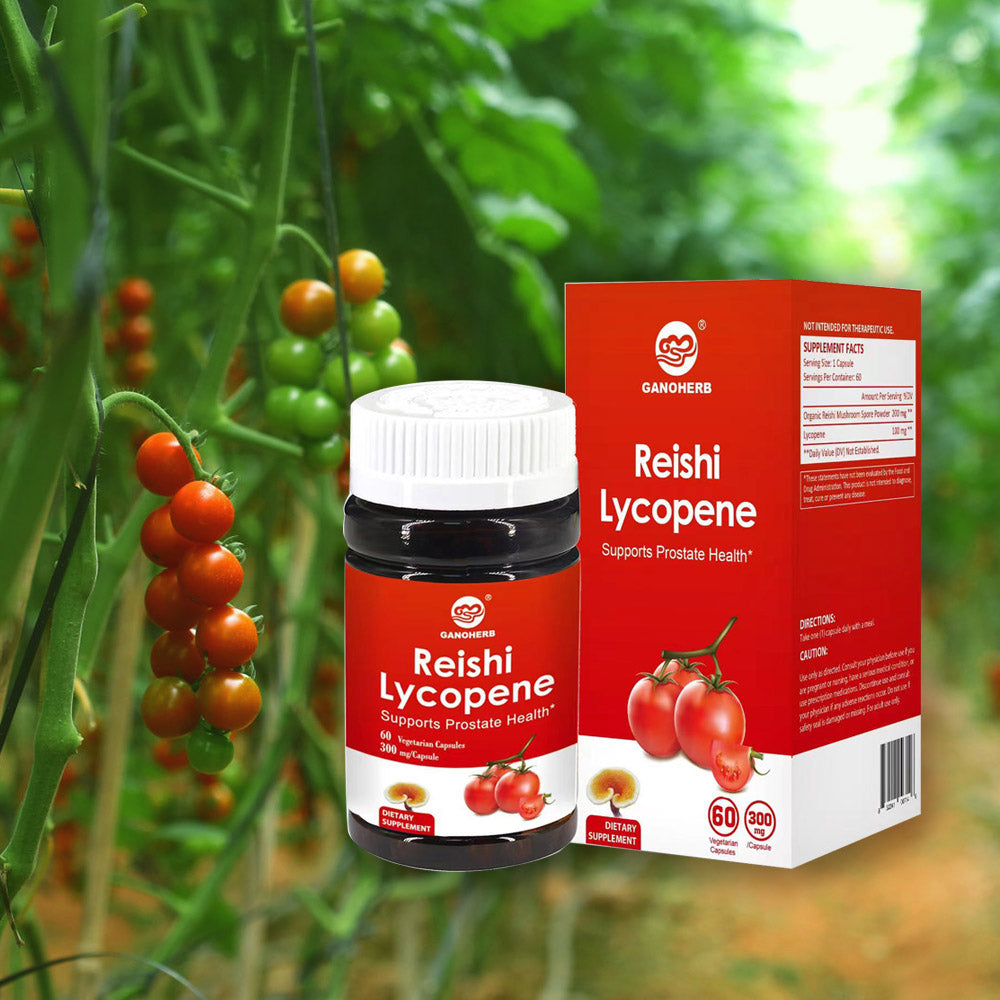
- Formulation Synergies: Some formulas combine root extracts with complementary botanical agents, such as standardized mushroom extracts (e.g., Reishi or Cordyceps), to support physical resilience and balanced systemic wellness.

How to Incorporate Beet Root Tablets Into a Daily Routine
Achieving optimal utility from beet root tablets involves strategic timing and consistent usage habits. Consider the following practical recommendations for everyday integration:
- Morning Daily Wellness Routine: Take one serving alongside a balanced morning meal and a full glass of water to support regular systemic circulation throughout the day.
- Pre-Exercise Routine: Consume the suggested dosage approximately 45 to 60 minutes prior to physical training. This allows sufficient time for the digestive system to process nitrates and initiate the internal nitric oxide conversion sequence.
- Hydration Maintenance: Ensure consistent fluid intake throughout the day. Ample hydration assists systemic circulation and aids in efficient metabolic processing of botanical constituents.
- Synergistic Botanical Stacking: Functional plant supplements pair smoothly with adaptogenic preparations, such as Reishi mushroom formulas, supporting both balanced stress responses and overall physical endurance.
Frequently Asked Questions
Q1: How do beet root tablets compare to drinking fresh beetroot juice?
A1: Compressed tablets deliver standardized concentrations of active nitrates in a stable, pre-measured unit without the preparation mess, perishable shelf life, or bold soil-adjacent taste of fresh liquid juice. They provide equivalent circulatory support with greater daily convenience.
Q2: What is the ideal time of day to consume beet root tablets?
A2: For general circulation support, consuming tablets in the morning with breakfast is ideal. For athletic training and physical performance support, taking them approximately 45 to 60 minutes prior to exercise maximizes workout timing efficiency.
Q3: Can beet root tablets cause temporary changes in urine or stool color?
A3: Yes. The betalain pigments responsible for the deep crimson color of beetroot can pass through the digestive system and cause a benign, temporary pink or red tint in urine or stool. This condition, known as beeturia, is harmless.
Q4: Are there dietary considerations regarding oxalates in these tablets?
A4: Beetroot naturally contains oxalates. While concentrated extracts generally contain lower total solid volume than whole beets, individuals with specific sensitivities to oxalates or a personal history of kidney stones should review supplement choices with a healthcare professional.
Q5: Can beet root tablets be safely combined with functional mushroom supplements like Reishi?
A5: Yes. Combining standardized root preparations with functional mushroom extracts creates a complementary botanical routine. While beetroot supports nitrate-driven blood flow and endurance, adaptogenic options like Reishi assist systemic balance and stress response management.
Q6: How quickly does the body convert nitrates from beet root tablets into nitric oxide?
A6: Systemic nitrite levels typically begin rising within 30 to 60 minutes after oral consumption, reaching peak levels in the bloodstream approximately 1.5 to 2 hours post-ingestion.