

Beet Extract Supplement: A Practical Guide to Nitrate Content and Daily Use
Interest in dietary nitrates has grown steadily among individuals seeking practical nutritional support for active lifestyles. Among the various options available, the beet extract supplement stands out for its naturally high nitrate concentration and ease of integration into daily routines. Unlike whole beets, which require preparation and contain varying nitrate levels depending on soil and harvest conditions, a standardized supplement offers predictable intake. This guide examines the core components, selection criteria, and formulation differences to help you make an informed choice.

The Core Component: Dietary Nitrates and Vascular Support
The primary active compound in a quality beet extract supplement is inorganic nitrate (NO₃⁻). Once consumed, nitrate undergoes a two-step conversion: first to nitrite (NO₂⁻) by oral bacteria, then to nitric oxide (NO) through various physiological pathways. Nitric oxide plays a recognized role in supporting healthy blood vessel function and circulation. This pathway is the reason many athletes and active adults incorporate beet extract into their pre-activity nutrition.
Key points about nitrate conversion:
- Oral microbiome dependence: The initial reduction to nitrite relies on specific bacteria in the mouth. Using antibacterial mouthwash or chewing gum immediately after taking a supplement may reduce this conversion.
- Stomach acidity: Once nitrite enters the gastric environment, it can further convert to nitric oxide, which then enters circulation.
- Plasma nitrate pool: Regular intake helps maintain a baseline plasma nitrate level, which supports consistent nitric oxide availability.
It is important to note that individual responses vary based on baseline nitrate levels, saliva production, and overall diet. The beet extract supplement is not a performance enhancer in the pharmacological sense, but rather a dietary tool that supports the body’s natural systems.
Choosing Between Forms: Powder, Capsule, and Liquid Concentrate
Retail shelves offer three primary formats of beet extract supplements. Each has distinct advantages and trade-offs regarding convenience, nitrate stability, and dosage accuracy.
Powdered Beet Extract
This form often contains the highest nitrate concentration per gram, especially when derived from concentrated juice solids. Powders allow flexible dosing—users can start with a smaller scoop and adjust gradually. However, they require mixing with water or other beverages, and the taste can be intensely mineral-like. Storage conditions are critical; exposure to heat and humidity degrades nitrate content over time.
Capsule or Tablet Formats
For those who prioritize convenience, capsules offer a tasteless, portable option. Each capsule typically provides a fixed nitrate amount, which simplifies tracking. The main consideration is the number of capsules required per serving—some products need three to four capsules to match a single scoop of powder. Additionally, capsule shell materials (gelatin or plant-based) may influence dissolution time, though most modern formulations disintegrate rapidly.
Liquid Shots and Concentrates
Liquid formats are absorbed slightly faster due to the absence of a dissolution step. They are popular for immediate pre-activity use. However, they often contain added preservatives or sweeteners, and the nitrate concentration per milliliter is typically lower than powders. Cost-per-serving tends to be higher with liquids.
When evaluating any beet extract supplement, check the label for the nitrate content explicitly—not just “beet root powder” percentage. A transparent manufacturer will list nitrate milligrams per serving, often derived from standardized extraction processes.
Key Selection Criteria for a Quality Supplement
Not all beet extracts are equivalent. The following criteria help separate reliable products from those with minimal active content.
- Standardized nitrate level: Look for a minimum of 500 mg of nitrate per serving. Products with 1,000 mg or more are often chosen by those with active lifestyles, but lower doses are suitable for everyday wellness routines.
- Third-party purity testing: Independent labs should verify the absence of heavy metals, pesticides, and microbial contaminants. Certificates of analysis (COAs) should be accessible online or upon request.
- Organic certification: Beets are root vegetables that can absorb soil contaminants. Organic certification reduces the risk of unwanted residues.
- Minimal additives: Avoid products with artificial colors, flavors, or unnecessary fillers. Some powders include maltodextrin or silica—these are acceptable in small amounts for flowability but should not dominate the formulation.
- Packaging: Opaque, airtight containers with desiccants preserve nitrate stability. Clear jars or bags increase photodegradation risk.
Also consider the source region—beets grown in temperate climates with consistent rainfall often have more reliable nitrate profiles. However, the processing method matters more than origin.
Understanding the Extraction and Drying Process
The manufacturing process directly influences the final nitrate activity. Two common methods are spray drying and freeze-drying.
Spray Drying
This involves atomizing beet juice into a hot air chamber, evaporating moisture rapidly. While cost-effective, high inlet temperatures (above 180°C) can degrade a portion of the nitrates and other heat-sensitive phytonutrients. Reputable producers use low-temperature spray drying (below 150°C) and monitor outlet temperatures closely.
Freeze-Drying (Lyophilization)
This method freezes the juice and then sublimates ice under vacuum. It preserves nitrate content more effectively and maintains the natural balance of accompanying flavonoids and betalains. Freeze-dried powders tend to have a lighter color and dissolve more readily. However, they are more expensive, which reflects in the retail price.
For a daily-use beet extract supplement, freeze-dried options offer superior consistency. If the label does not specify the drying method, contacting the manufacturer directly is a reasonable step before purchase.
Integrating Beet Extract with Adaptogenic Mushrooms
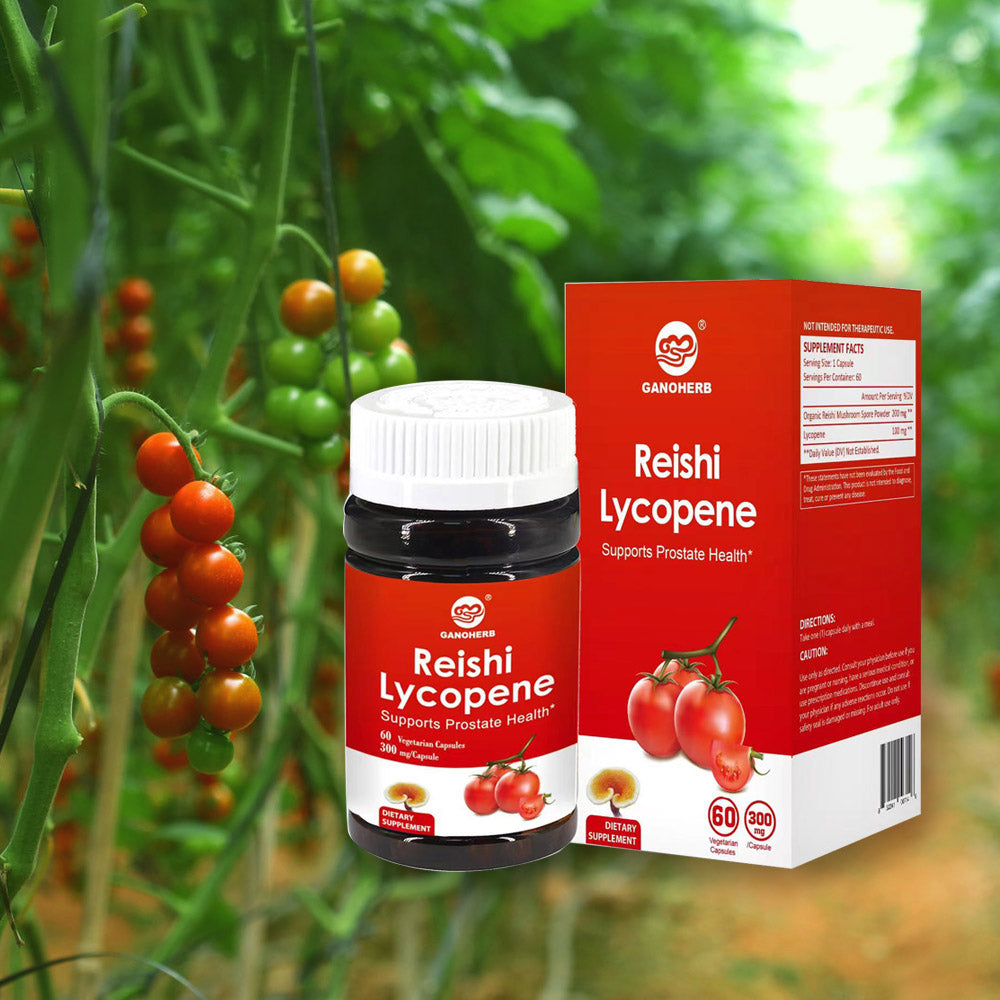
Within the broader category of functional nutrition, beet extract is sometimes combined with adaptogenic mushrooms such as Reishi (Ganoderma lucidum) or Cordyceps. This pairing is not accidental. While beets suppor healthy circulation, Reishi contributes to supports general well-being balance through its triterpenoid and polysaccharide content. Together, they provide complementary supports daily energy and recovery..
When selecting a combination product, verify that each ingredient is present at a meaningful dose. Many blends include “proprietary blends” where the individual amounts are hidden—this is a red flag. A transparent label will list the milligram amount of beet extract (with nitrate standardization) and the mushroom extract (with beta-glucan standardization) separately.
For those already using a standalone Reishi supplement, adding a separate beet extract supplement at a different time of day (e.g., beet in the morning, Reishi in the evening) allows for more precise dosing and avoids potential competition for absorption pathways.
Dosing, Timing, and Practical Routine Integration
Based on published human intervention studies, a single dose of 400–600 mg of dietary nitrate is commonly used for pre-activity support. However, consistent daily intake (e.g., 300–500 mg per day) builds a more sustained plasma nitrate pool over 5–7 days.
Practical recommendations:
- Pre-activity window: Take the supplement 90–120 minutes before exercise or physical work to allow sufficient conversion through the enterosalivary pathway.
- With or without food: Consuming beet extract with a light meal that includes some carbohydrates can support nitrate uptake, but avoid high-fat meals that slow gastric emptying.
- Hydration: Maintain adequate water intake, as nitrate metabolism influences fluid balance. However, excessive water dilution may reduce oral bacteria activity—so rinse, but do not aggressively brush or use mouthwash immediately after taking the powder.
- Cycle considerations: Some users prefer to use beet extract on training days only, while others incorporate it daily. There is no universal rule; monitoring personal response (e.g., perceived exertion, recovery comfort) helps determine the optimal schedule.
It is worth noting that beet extract provides a noticeable color change in urine and sometimes in stool—this is a normal indication of betalain excretion and does not signify any issue.

Comparing Beet Extract to Whole Beets and Other Nitrate Sources
While whole roasted or boiled beets are nutritious, they present practical challenges for consistent nitrate intake. A 150 g serving of cooked beets contains roughly 300–400 mg of nitrate, but this varies widely based on cooking method (boiling leaches nitrate into water) and soil nitrogen levels. In contrast, a standardized beet extract supplement delivers a predictable amount in a small volume.
Other dietary nitrate sources include leafy greens (spinach, arugula) and celery. However, these also contain oxalates or have strong flavors that limit daily consumption. Beet extract offers a neutral-to-mild taste in capsule form, making it suitable for those who dislike the flavor of greens.
From a cost perspective, per-milligram of nitrate, powdered beet extract is generally more economical than fresh organic beets, especially when factoring in preparation time and seasonal availability. Capsules sit at a mid-range price, while liquid shots tend to be the most expensive per serving.
Frequently Asked Questions About Beet Extract Supplements
Q1: Can I take a beet extract supplement every day without interruption?
A1: Yes, daily intake is considered safe for healthy adults within the recommended dosage range (up to 1,000 mg of nitrate). Some individuals prefer a 5-day-on, 2-day-off schedule to assess personal response, but continuous use is well-tolerated. As with any dietary supplement, it is wise to monitor your own digestive comfort and adjust accordingly.
Q2: How soon before physical activity should I consume beet extract for best results?
A2: Most research indicates a window of 90 to 150 minutes prior to activity. This allows sufficient time for nitrate to be reduced to nitrite by oral bacteria and subsequently to nitric oxide in the bloodstream. Taking it too close to start time (under 60 minutes) may not provide peak nitrate availability during the activity.
Q3: Is there any interaction between beet extract supplements and common dietary patterns, such as a low-carbohydrate diet?
A3: Nitrate metabolism itself is not carbohydrate-dependent, but the presence of dietary carbohydrates can enhance gastric transit and absorption of accompanying nutrients. A low-carb diet does not hinder the nitrate-to-nitric oxide pathway. However, ensure adequate saliva production—dry mouth from ketosis may reduce bacterial conversion, so staying hydrated is particularly important.
Q4: What distinguishes a high-quality beet extract from a standard beet powder?
A4: The key difference is standardization. A high-quality extract has been processed to concentrate nitrates and remove fiber and sugars, resulting in a higher nitrate percentage (often 2–3% nitrate by weight). Standard beet powder contains the whole dried root, with nitrate levels around 0.5–1.0%. Additionally, extracts often undergo testing for nitrate stability, whereas powders may degrade faster during storage.
Q5: Can I combine beet extract with other supplements like vitamin C or Reishi mushroom?
A5: Yes, combining beet extract with vitamin C is actually synergistic, as vitamin C helps recycle nitric oxide and supports antioxidant balance. Reishi mushroom can be taken at a different time of day (e.g., beet in the morning, Reishi in the evening) to avoid potential competition for gastric absorption, though no negative interactions have been reported. Always check individual product labels for specific stacking recommendations.
This guide provides general informational content only and does not constitute professional dietary advice. Individual nutritional needs vary; consider consulting a qualified practitioner for personalized guidance.