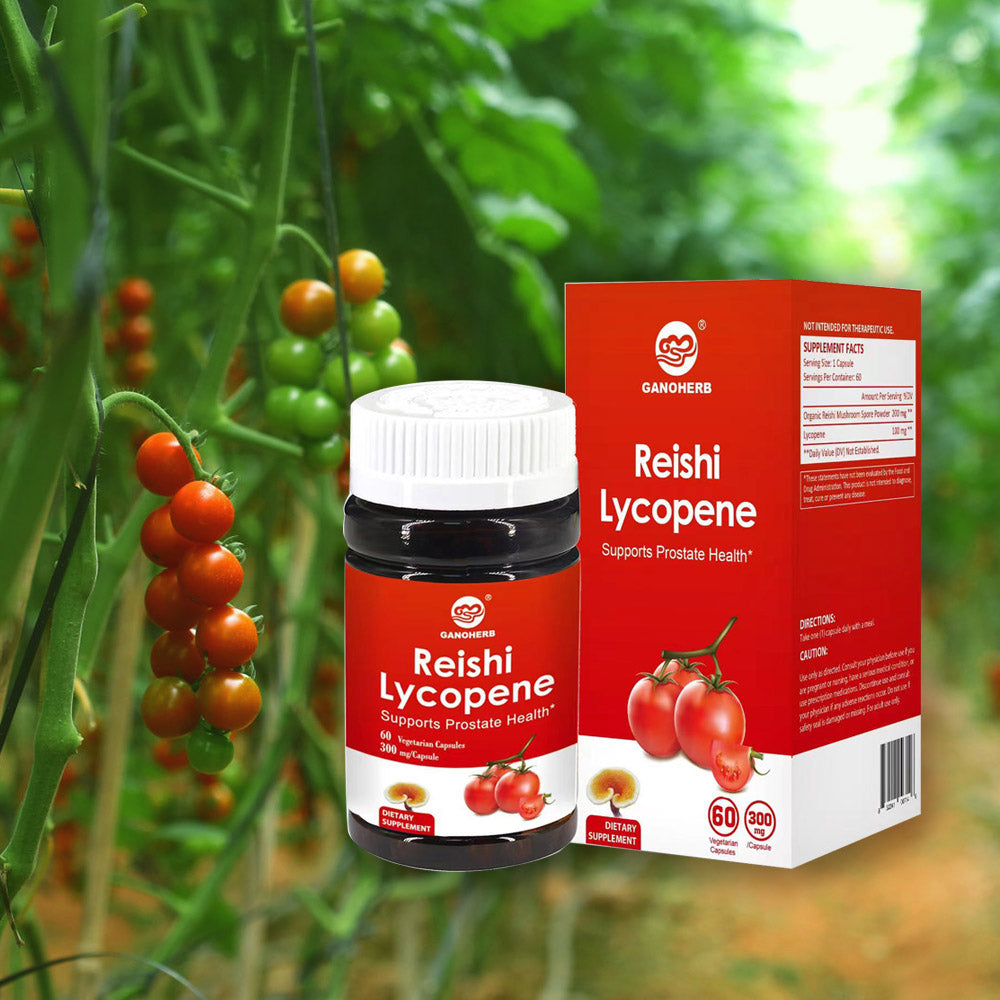


7 Technical Parameters That Define High-Quality Lycopene Tablets in 2026
Lycopene tablets have become a staple in the dietary supplement sector, yet the variance in quality across different brands and manufacturing batches is substantial. For procurement specialists, formulators, and informed consumers, understanding the measurable attributes that distinguish premium lycopene tablets is essential. This article examines seven technical parameters—from raw material sourcing to finished product stability—based on industry standards, pharmacopoeial methods, and recent advances in food technology. Each point provides verifiable data points to support purchasing and formulation decisions.

1. Source Differentiation: Natural Tomato Extract vs. Synthetic Fermentation
The origin of lycopene used in tablets significantly influences both the chemical profile and the cost structure. Two primary sources dominate the market:
- Natural tomato extract: Obtained from ripe tomatoes (typically Solanum lycopersicum) using solvent extraction (ethyl acetate or ethanol) followed by winterization and concentration. The resulting oleoresin contains approximately 5–15% lycopene alongside other carotenoids (phytoene, phytofluene) and tomato lipids. HPLC profiles of natural extracts show a complex mixture of alltrans and cisisomers, with the latter being more bioavailable.
- Fermentationderived lycopene: Produced by cultivating the fungus Blakeslea trispora on carbohydrate substrates. The lycopene is extracted and crystallised, yielding a purity of ≥90% (often 96%+). This material is chemically identical to natural lycopene but lacks the coextracted tomato components. It is also generally free of pesticide residues that might be present in fieldgrown tomatoes.
When selecting lycopene tablets, the label should specify natural tomato extract or fermentationderived lycopene. Each has its place: natural extract is preferred for clean label and wholefood positioning, while fermentationderived offers higher concentration and consistent purity for standardised dosing.
2. Analytical Verification: HPLC Purity and Isomeric Distribution
Highperformance liquid chromatography (HPLC) is the gold standard for quantifying lycopene content and profiling its isomers. Reputable manufacturers of lycopene tablets provide a Certificate of Analysis (CoA) that includes:
- Total lycopene content (mg/g or % w/w): Typically, raw materials range from 5% (oleoresin) to 96% (crystal). Finished tablets should declare the exact amount per serving, e.g., 10 mg lycopene per tablet.
- Isomeric distribution: The ratio of alltrans to cislycopene. Fresh tomato extracts contain about 95% alltrans, while processed materials may have 30–50% cis due to thermal isomerisation. Some manufacturers intentionally isomerise to enhance bioavailability.
- Purity against reference standards: Compliance with United States Pharmacopeia (USP) or European Pharmacopoeia (Ph. Eur.) monographs, where applicable.
Without an HPLCverified CoA, the consistency of lycopene tablets cannot be assured. Thirdparty audits of these documents are recommended for bulk procurement.
3. Formulation Technology: From Oleoresin to Tablet
The transformation of raw lycopene into a stable, freeflowing powder suitable for tableting involves several unit operations. Common formulation approaches include:
3.1 Spraydried beadlets
Lycopene oleoresin is emulsified with a carrier (e.g., gum arabic, modified starch, or maltodextrin) and antioxidants (tocopherols, ascorbyl palmitate). The emulsion is spraydried to form microcapsules that protect the lycopene from oxidation. Beadlet size typically ranges from 100–300 μm, ensuring good flow during tablet compression.
3.2 Coldwater dispersible powders
For effervescent or instant tablets, lycopene is coated with hydrophilic polymers to enable rapid dispersion in cold water. This requires additional processing steps such as fluidbed coating.
3.3 Direct compression blends
Some manufacturers blend crystalline lycopene (micronised to <10 μm) with excipients (microcrystalline cellulose, dicalcium phosphate) and compress directly. This approach minimises heat exposure but demands uniform particle size to avoid segregation.
Each technology affects the dissolution profile and stability of the final lycopene tablets.
4. Stability Testing and ShelfLife Projections
Lycopene is highly susceptible to degradation by light, oxygen, and elevated temperatures. Accelerated stability studies conducted according to ICH guidelines (40 °C/75 % relative humidity for six months) provide critical data on:
- Degradation kinetics: Firstorder loss of lycopene over time. Acceptable products retain ≥90% of initial content after 24 months at 25 °C.
- Packaging requirements: Opaque, highbarrier blisters (PVC/PVDC or AluAlu) are essential. Tablets stored in clear HDPE bottles without desiccant often show rapid colour fading within three months.
- Antioxidant synergy: Formulations containing vitamin E or rosemary extract demonstrate slower oxidation rates in open dish studies.
Reputable suppliers of lycopene tablets will share stability data summaries upon request.
5. Bioavailability Enhancement Technologies
Because lycopene is lipophilic, its absorption from standard tablets can be limited. Several formulation strategies are employed to improve bioavailability:
- Micronisation: Reducing particle size to the sub10 μm range increases surface area and dissolution rate in gastrointestinal fluids.
- Lipidbased formulations: Incorporating lycopene into selfemulsifying systems (e.g., with mediumchain triglycerides) or softgel capsules filled with oil suspension. Tablets can be formulated with lipid excipients like Gelucire® to create a lipid matrix.
- Complexation with cyclodextrins: Hydroxypropylβcyclodextrin forms inclusion complexes that enhance water dispersibility.
Comparative dissolution testing (USP apparatus II, 0.5% SDS in water) can differentiate between standard and enhanced formulations. Look for products that specify enhanced bioavailability and provide supporting in vitro data.

6. Certification and Regulatory Compliance
The regulatory landscape for lycopene tablets varies by region, but several certifications indicate adherence to strict quality standards:
- GRAS status: In the U.S., lycopene from tomato extract or B. trispora is generally recognised as safe for use in dietary supplements.
- EU Novel Food: Synthetic lycopene and lycopene from B. trispora are authorised under Novel Food Regulation (EU) 2015/2283 with specified purity criteria.
- Organic certification: Only tomatoderived lycopene from organically grown tomatoes can be certified organic (e.g., USDA Organic, EU Organic).
- NonGMO verification: Fermentationderived lycopene uses nonGMO production strains and substrates; thirdparty verification (e.g., NonGMO Project) is available.
- Kosher and Halal: Many production facilities offer these certifications, which are important for global distribution.
When sourcing lycopene tablets, verifying these certifications ensures compliance with target markets and builds consumer trust.
7. Cost Analysis and Supply Chain Transparency
The price of lycopene tablets is influenced by raw material costs, extraction yields, and formulation complexity. Current market data (Q1 2026) indicate:
- Tomato extract (5% lycopene): $120–$180 per kilogram, heavily dependent on tomato harvest yields and solvent prices.
- Fermentationderived crystalline lycopene (96%): $800–$1,200 per kilogram, reflecting higher purity and controlled production.
- Finished tablet cost: Typically adds $0.02–$0.08 per tablet for blending, compression, and packaging, depending on order volume.
Supply chain transparency—knowing the exact origin of tomatoes or fermentation facility—is increasingly demanded by large retailers. Manufacturers of premium lycopene tablets often provide chainofcustody documentation and sustainable sourcing reports.
Frequently Asked Questions About Lycopene Tablets
Q1: What is the typical lycopene content per tablet?
A1: Most commercial lycopene tablets contain between 5 mg and 30 mg of lycopene per serving. The exact amount depends on the intended market and formulation. Highstrength tablets (20–30 mg) are common in sports nutrition, while 10 mg is a standard maintenance level. Always check the Supplement Facts panel for the declared amount.
Q2: How are lycopene tablets manufactured?
A2: The process begins with either tomato extraction or fermentation to obtain a concentrated lycopene oleoresin or crystal. This is then blended with excipients (fillers, binders, disintegrants) and antioxidants, followed by granulation (wet or dry) and compression into tablets. Some tablets receive a film coating to improve swallowability and protect against moisture.
Q3: What excipients are commonly used in lycopene tablets?
A3: Common excipients include microcrystalline cellulose (binder/filler), croscarmellose sodium (disintegrant), magnesium stearate (lubricant), and silicon dioxide (glidant). For chewable tablets, mannitol or sorbitol may be added. Always check the ingredient list if you have sensitivities.
Q4: Do lycopene tablets require special storage conditions?
A4: Yes. To preserve potency, store lycopene tablets in a cool, dry place away from direct sunlight. The original opaque blister pack or airtight bottle with desiccant is recommended. Avoid transferring tablets to clear containers, as light accelerates degradation.
Q5: Are there differences between lycopene tablets from different brands?
A5: Significant differences exist in source (tomato vs. fermentation), purity, excipient quality, and bioavailability technology. Two tablets with the same declared mg amount may have vastly different dissolution profiles and stability. Thirdparty testing (e.g., USP verification) can help identify superior products.
Q6: Can lycopene tablets be taken with other fatsoluble supplements?
A6: Formulators often combine lycopene with vitamin E or other carotenoids in multiingredient tablets. There are no known negative interactions, and the presence of dietary fat in a meal can enhance absorption. However, compatibility should be evaluated during product development to avoid oxidation.
Q7: What analytical methods are used to verify lycopene content in tablets?
A7: The most common method is reversedphase HPLC with UVVis detection at 472 nm. Sample preparation involves extraction with tetrahydrofuran or hexane/acetone. Some laboratories also use UVVis spectrophotometry for rapid screening, though HPLC is preferred for accuracy and isomer separation.