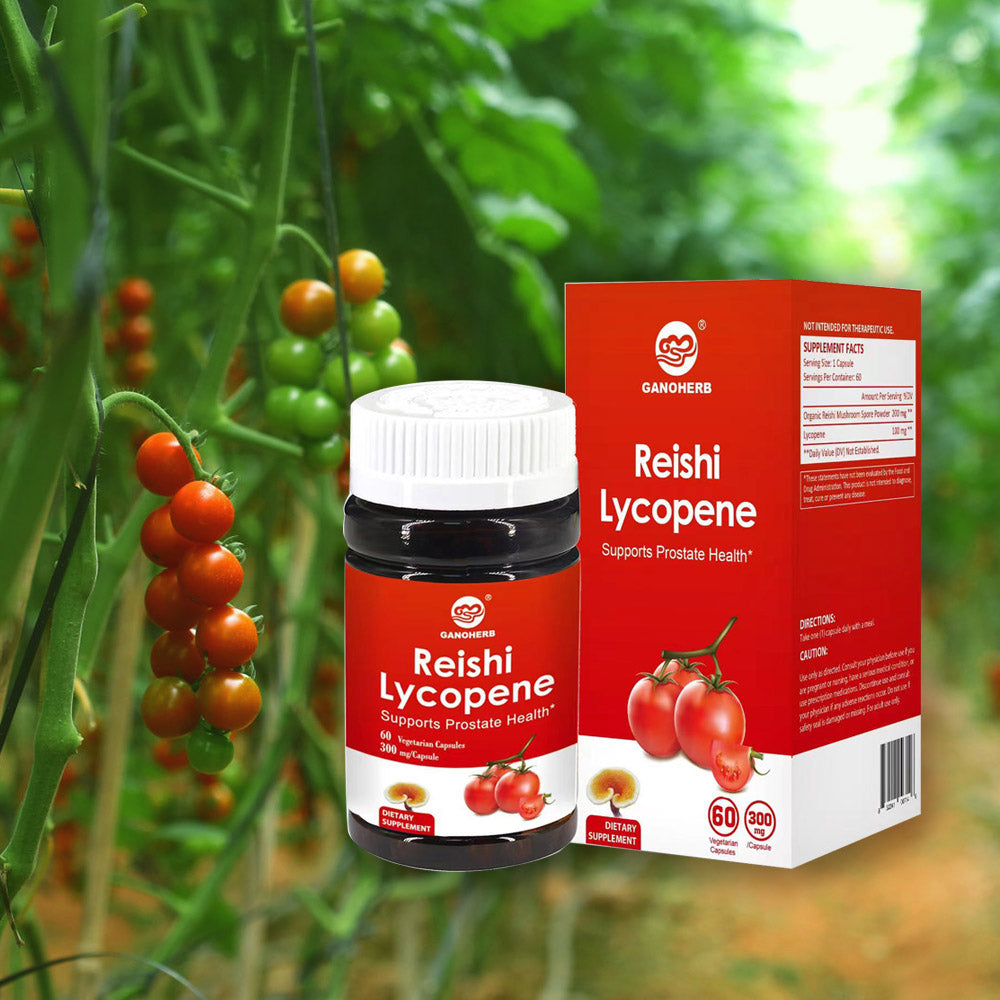


The Biochemical Engineering and Formulation of Adaptogenic Mushroom Coffee
The specialized production of adaptogenic mushroom coffee represents a highly controlled intersection of botanical chemistry and advanced beverage manufacturing. Formulating a stable, water-soluble matrix that accurately combines roasted coffee grounds or instant coffee powders with highly concentrated fungal extracts—specifically from species like Ganoderma lucidum (Reishi)—requires exact scientific methodologies. The objective is to engineer a hybrid beverage that maintains strict chemical standardization, optimal physical stability, and a consistent sensory profile.
Creating a premium adaptogenic mushroom coffee demands an intricate balancing of the naturally occurring polyphenols and alkaloids in roasted coffee beans with the complex structural polysaccharides and lipophilic triterpenes isolated from raw fungal biomass. This comprehensive documentation outlines the precise agronomic parameters, sequential dual-extraction technologies, particle agglomeration processes, and biochemical standardization protocols necessary to successfully manufacture these advanced botanical supplements.

1. Agronomic Sourcing and Biomass Selection
The foundation of any standardized botanical supplement relies entirely on the stringent selection and biological conditioning of its primary organic components. The raw materials require specific preparation parameters to ensure full biochemical compatibility in their final concentrated states.
Fruiting Body Cultivation Protocols
The physical structure of the fungal biomass dictates the chemical potency of the final extract. For Reishi-based formulations, botanical laboratories must clearly differentiate between the mature fruiting body and the underlying mycelial network, as their respective phytochemical profiles vary drastically.
- Hardwood Substrate Utilization: The mature fruiting body synthesizes the highest natural concentration of complex triterpenoids. Commercial cultivation demands specific substrate blocks, predominantly composed of sterilized hardwood sawdust (such as oak or beech). This wood-based nutrition closely mimics the natural environmental variables required for optimal phytochemical synthesis.
- Environmental Parameter Controls: The physical development of the fruiting body relies strictly on precision monitoring within the cultivation chambers. Technicians must regulate relative humidity (typically between 85% and 95%), monitor exact temperature fluctuations, and tightly control carbon dioxide (CO2) concentrations to ensure uniform maturation and maximum active compound accumulation.
- Mycelial Biomass Limitations: Certain commercial operations incorporate mycelium propagated on sterilized grain substrates (such as organic oats or brown rice). While logistically efficient, the resulting dry powder inherently retains a substantial percentage of residual grain starch. This alters the solubility parameters of the extract and negatively skews the beta-glucan-to-starch ratio. High-fidelity production strongly favors pure, wood-cultivated fruiting body extracts to ensure the absolute botanical purity of the adaptogenic mushroom coffee.
2. Engineering the Coffee Delivery Matrix
The coffee component operates as both the sensory baseline and the physical delivery matrix for the botanical compounds. Manufacturers meticulously calculate specific ratios of Coffea arabica and Coffea canephora (Robusta) to achieve targeted solubility metrics and flavor profiles.
Cultivar Selection and Roasting Chemistry
- Sourcing Altitude and Cellular Density: High-altitude Arabica beans, cultivated above 1,200 meters, naturally develop denser cellular structures and higher concentrations of complex acids. This physical density translates to a much richer aromatic profile during the roasting process, which is critical for balancing the inherently earthy, astringent tones of concentrated fungal supplements.
- Thermal Processing (Roasting): Medium-dark to dark roasts are strictly favored in these hybrid formulations. Pushing roasting temperatures up to 220°C–225°C significantly increases the caramelization of inherent monosaccharides and accelerates the Maillard reaction. This specific thermal degradation produces melanoidins and pyrazines, which physically mask the stringent bitterness often introduced by specialized fungal triterpenoids.
- Green Bean Processing Methodologies: Washed (wet) processing removes the fruit mucilage prior to drying, resulting in a distinct, highly acidic cup profile. Conversely, natural (dry) processing allows the beans to desiccate within the fruit capsule, yielding a heavier body and a sweeter lipid profile that perfectly complements the addition of botanical extracts.
3. Breaking the Chitin Wall: Dual-Extraction Methodologies
Raw fungal structures possess incredibly resilient cell walls composed of chitin, a highly insoluble structural polymer. Simply micro-grinding dry Reishi into standard coffee grounds will not yield a water-soluble product, nor will it render the internal phytochemicals biologically available. Manufacturers must employ aggressive extraction methodologies to isolate the target compounds before integrating them into the adaptogenic mushroom coffee base.
Sequential Extraction Phases
To capture the complete spectrum of phytochemicals, specialized laboratories utilize a sequential two-step process widely known as dual extraction.
- Aqueous (Hot Water) Phase: The raw, desiccated biomass is submerged in pressurized hot water, strictly maintained between 80°C and 100°C for several continuous hours. This thermal and pressurized kinetic environment actively fractures the rigid chitin matrices, successfully isolating water-soluble constituents—primarily beta-1,3/1,6-D-glucans and other high-molecular-weight structural polysaccharides. The resulting liquid is mechanically filtered and concentrated via vacuum evaporation.
- Ethanolic (Solvent) Phase: The residual solid biomass is subsequently transferred into a concentrated ethanol solution (usually at a 70% to 90% concentration). Ethanol acts as the essential non-polar solvent required to effectively extract lipophilic (fat-soluble) compounds, including ergosterol and complex ganoderic acids (triterpenoids).
- Fluid Recombination: The two isolated liquid extracts are meticulously recombined in a controlled thermal environment. The ethanol is actively recovered through industrial distillation, and the remaining aqueous liquid is evaporated further. This produces a dense, highly concentrated fluid containing the complete biochemical profile of the raw starting material.
4. Fluid Dynamics and Particle Agglomeration
The concentrated fluid extract must be precisely converted into a micro-particulate dry powder that seamlessly integrates with instant coffee or micro-ground coffee matrices. This requires precise fluid dynamics and thermodynamic engineering.
Spray Drying and Powder Formation
- Thermal Atomization: The concentrated extract is atomized into a specialized heated chamber using high-pressure nozzles. With chamber inlet temperatures ranging from 160°C to 180°C, the water content flashes off almost instantaneously. This intense thermal process leaves behind incredibly fine particles of pure botanical extract. Carrier excipients, such as organic acacia gum or tapioca maltodextrin, are occasionally introduced at strict percentages (below 5%) to prevent hygroscopic clumping inside the machinery.
- Fluid Bed Agglomeration: To ensure the final adaptogenic mushroom coffee dissolves rapidly and completely in hot water without forming unpalatable clumps, the fine powders undergo a secondary mechanical process called agglomeration. Controlled moisture is temporarily reintroduced in a fluid bed processor, binding the microscopic dust particles into larger, highly porous granules. These structured granules possess a vastly increased surface area that wets and disperses instantly during consumer beverage preparation.
5. Analytical Chemistry and Biochemical Standardization
A strictly data-driven analytical approach is absolutely essential for modern botanical quality control. Beverage manufacturers continuously measure specific chemical markers through laboratory analysis to objectively verify the purity, consistency, and chemical standardization of the final blend.
Quantification of Phytochemical Markers
- Beta-D-Glucan Verification: Analytical laboratories universally utilize the Megazyme assay method to accurately differentiate between alpha-glucans (simple starches introduced by grain substrates) and beta-glucans (the specific complex structural polymers unique to fungi). A premium botanical extract typically guarantees a standardized beta-glucan content ranging from 20% to 30% by total weight.
- Triterpenoid Quantification: High-Performance Liquid Chromatography (HPLC) is employed to accurately isolate and quantify ganoderic acids and other specific triterpenes. These compounds contribute heavily to the distinct, bitter sensory profile of the Reishi and serve as a reliable chemical signature verifying the exclusive use of mature fruiting body extracts.
- Caffeine and Alkaloid Baselines: Depending on the precise ratio of Arabica to Robusta beans, and the exact volumetric percentage of botanical extract integrated per serving, the final caffeine content usually measures between 40mg and 60mg per cup. This controlled alkaloid concentration provides a highly consistent, predictable baseline for the formulated beverage.

6. Quality Assurance and Contaminant Screening Protocols
Rigorous, independent analytical testing protocols are mandatory to verify the absolute safety and integrity of any botanical supplement entering the global consumer beverage market. A commercially viable adaptogenic mushroom coffee must pass comprehensive third-party laboratory analysis before final automated packaging.
Independent Laboratory Assays
- Heavy Metal Mass Spectrometry: Fungi are notorious environmental bio-accumulators, meaning they highly efficiently absorb naturally occurring minerals and heavy metals from their localized cultivation substrate. Inductively Coupled Plasma Mass Spectrometry (ICP-MS) is utilized to strictly verify that residual parts-per-million (PPM) levels of lead, arsenic, cadmium, and mercury fall well below international regulatory thresholds.
- Mycotoxin Chromatography: Both green coffee beans and desiccated botanical biomass are highly susceptible to ambient mold development during international transit and warehouse storage. High-performance liquid chromatography is universally deployed to screen raw materials for dangerous mycotoxins, specifically testing for Ochratoxin A and Aflatoxins.
- Microbiological Parameter Limits: The final agglomerated powder is subjected to strict microbiological assays. These tests definitively confirm the absolute absence of bacterial pathogens such as E. coli and Salmonella, alongside verifying that aerobic plate counts and yeast/mold counts remain within acceptable commercial food-safe boundaries.
7. Sensory Equilibration and Packaging Infrastructure
Developing a commercially successful adaptogenic mushroom coffee requires intensive sensory evaluation combined with advanced packaging engineering. Pure Reishi extracts possess an inherently astringent, woody, and intensely bitter profile due to their dense triterpene content. Food scientists use specific blending techniques to achieve total sensory equilibrium.
Balancing pH and Lipid Preservation
The pH of a standard brewed coffee matrix generally ranges from 4.85 to 5.10. The sudden introduction of concentrated botanical extracts can physically shift this pH balance, heavily altering the perception of acidity on the human palate. Formulators mitigate triterpene bitterness by maximizing the Total Dissolved Solids (TDS) of the coffee matrix, utilizing the complex pyrazines from darker roasts to provide a robust flavor structure that naturally competes with botanical astringency.
Once perfectly formulated and mechanically blended via industrial V-blenders, the dry powder remains highly susceptible to lipid oxidation and atmospheric moisture absorption. Packaging protocols strictly require multi-layer, high-barrier laminate foils, specifically incorporating layers of EVOH (Ethylene Vinyl Alcohol), to permanently block external moisture and destructive ultraviolet light. Furthermore, nitrogen gas flushing is standardly employed on the packaging line to physically displace residual oxygen within the pouch, drastically reducing the oxidation rate of coffee lipids and completely preserving the structural integrity of the active botanical compounds over a prolonged commercial shelf life.
Frequently Asked Questions (FAQ)
Q1: What specific water temperature is required to optimally prepare adaptogenic mushroom coffee?
A1: The scientifically recommended water temperature for optimal powder dispersion and flavor retention is precisely between 85°C and 90°C (185°F - 194°F). Exposing the agglomerated powder to rapidly boiling water (100°C) causes immediate thermal degradation of the delicate volatile aromatic compounds native to the coffee bean, negatively impacting the final sensory profile and cup clarity of the beverage.
Q2: Why is the sequential dual-extraction methodology strictly necessary for Reishi biomass?
A2: Reishi biomass contains highly complex compounds that strictly require entirely different solvent polarities for proper isolation. Hot water extraction specifically targets and isolates water-soluble structural polysaccharides like beta-glucans. Conversely, ethanol extraction is absolutely required to dissolve and isolate non-water-soluble lipophilic compounds like triterpenoids. The dual extraction method carefully combines both isolation phases to capture the comprehensive biochemical profile of the raw botanical material.
Q3: Does integrating high concentrations of botanical extracts alter the standard caffeine concentration of the beverage?
A3: Yes, the mechanical integration process naturally displaces a portion of the standard coffee volume. Because the final recommended serving size (typically 2.5 to 3.0 grams of dry powder) is physically composed of both instant coffee granules and botanical extract powder, the overall mass of actual coffee per serving is inherently reduced. Consequently, a standard serving generally yields approximately 40mg to 50mg of caffeine, which is demonstrably lower than a standard brewed cup of pure Arabica coffee.
Q4: How do analytical laboratories chemically differentiate between fungal fruiting bodies and mycelial biomass during standard testing?
A4: Analytical laboratories test for specific, quantifiable chemical markers. Mature fruiting bodies contain significantly higher concentrations of complex triterpenes (quantified via HPLC) and structural beta-glucans. In contrast, mycelium cultivated on grain substrates often tests unusually high for alpha-glucans (simple starches) when utilizing the Megazyme assay. High baseline triterpene levels combined with explicitly low alpha-glucan levels definitively confirm the presence of pure, wood-cultivated fruiting body extracts.
Q5: What are the primary industrial mechanisms utilized to preserve the final powder against atmospheric degradation?
A5: The finished agglomerated powder is incredibly hygroscopic (moisture-absorbing) and contains volatile coffee lipids highly prone to rapid oxidation. Manufacturers strictly utilize multi-layer, high-barrier foil packaging with EVOH layers to completely block ambient moisture transmission and UV light degradation. Additionally, food-grade nitrogen gas is mechanically injected into the packaging immediately before heat sealing to physically displace all oxygen, effectively halting lipid oxidation and maximizing the product's stable shelf life.