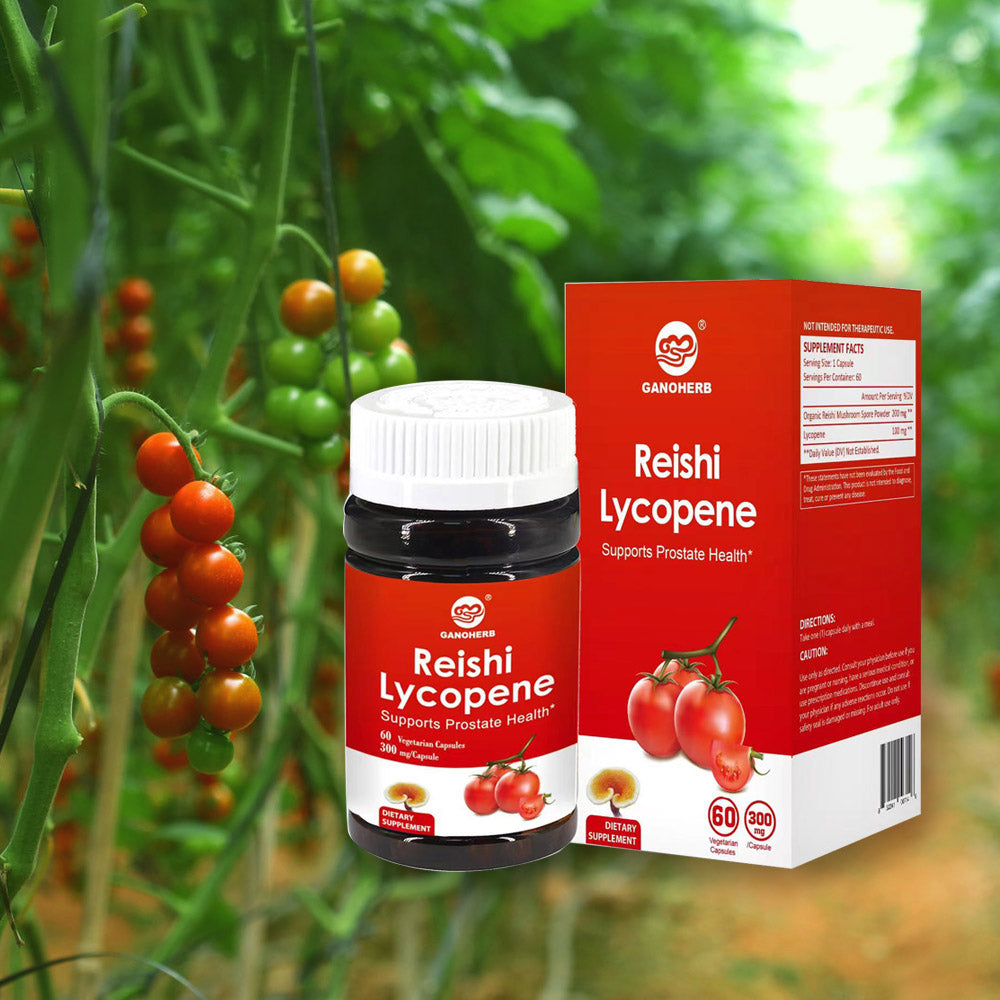


Sourcing Capsules of Lycopene: A Deep Dive into Quality, Extraction, and Market Choices
The vibrant red hue of a ripe tomato is more than just appealing to the eye; it is the visual signature of a powerful carotenoid. As consumers look to diversify their nutritional intake, capsules of lycopene have become a staple on pantry shelves.
Unlike the fresh produce aisle, the world of concentrated supplements operates on complex extraction technologies and precise formulation standards. Understanding what goes into these small red softgels can help you make better purchasing decisions.
The market for extracted plant pigments has grown significantly. It is no longer just about buying a bottle off the shelf; it is about understanding the source, the processing method, and the value proposition of the product.
This article explores the technical and commercial landscape of lycopene products. We will strip away the marketing fluff and look at the raw details of manufacturing, storage, pricing, and selection.

The Source: Natural Tomato vs. Synthetic
When you pick up a bottle labeled capsules of lycopene, the first question should be about its origin. Not all lycopene is created equal.
The majority of high-end products are derived from natural tomatoes. Specifically, manufacturers use strains of tomatoes that have been bred to have high lycopene content. These are not your typical salad tomatoes; they are industrial-grade fruits often grown in regions with high sun exposure.
However, there is another player in the market: synthetic lycopene. This is created in a lab using chemical synthesis. While chemically identical in many ways, the isomer structure can differ.
Natural tomato extract contains a mix of other phytonutrients, such as phytoene and phytofluene, along with tocopherols. This full-spectrum profile is often preferred by purists who want an experience closer to eating the actual fruit.
Synthetic versions are often cheaper to produce and yield a very high purity. However, they lack the accompanying compounds found in the whole fruit extract. Checking the label for tomato extract versus just lycopene is a quick way to spot the difference.
Extraction Technologies: How It Is Made
Getting the red pigment out of a tomato and into capsules of lycopene requires sophisticated engineering. The two most common methods are solvent extraction and Supercritical CO2 extraction.
Solvent extraction uses organic solvents like ethyl acetate or hexane to pull the lycopene from the tomato pulp. This is a mature technology that is cost-effective and widely used.
After extraction, the solvent is removed, leaving behind a thick, dark red oleoresin. Reputable manufacturers ensure that solvent residues are kept to an absolute minimum, well below safety limits.
Supercritical CO2 extraction is the more modern, cleaner approach. It uses carbon dioxide under high pressure to act as a solvent. When the pressure is released, the CO2 evaporates completely, leaving zero residue.
Products made via CO2 extraction often command a higher price. They are marketed towards consumers who are particularly concerned about chemical residues in their supplements.
The Importance of the Carrier Oil
Lycopene is lipophilic. This means it loves fat and hates water. If you were to eat pure lycopene powder, your body would struggle to utilize it.
To solve this, manufacturers suspend the extract in a carrier oil within the capsules of lycopene. The choice of oil matters significantly for the stability and quality of the product.
Olive oil is a premium choice. It aligns well with the Mediterranean origin of the nutrient. It adds its own profile of fatty acids which can protect the lycopene from oxidizing.
Soybean oil and sunflower oil are common industry standards. They are cost-effective and neutral in flavor. However, they must be refined to ensure they do not go rancid over the product's shelf life.
Rice bran oil is another excellent carrier. It has a high oxidative stability, which is crucial for protecting the delicate carotenoid inside the capsule.
When reading labels, pay attention to the oil. A high-quality oil indicates that the manufacturer cares about the absorption and stability of the final product.
Softgels vs. Hard Shell Capsules
You will rarely see capsules of lycopene in a dry, two-piece hard shell format. There is a scientific reason for this.
Because lycopene oxidizes rapidly when exposed to air, sealing it in a liquid-filled softgel is the industry standard. The softgel creates a hermetic seal that keeps oxygen out.
Hard shells containing dry powder exist, but they are less common. The powder inside must be micro-encapsulated to survive exposure to air. This technology is more expensive and complex.
Softgels also offer better uniformity. The liquid fill ensures that every unit contains the exact same amount of active ingredient.
The gelatin used for softgels is typically bovine (cow) or porcine (pig). However, vegetarian softgels made from modified starch or carrageenan are becoming increasingly available for those avoiding animal products.
Isomerization: The Hidden Technical Detail
If you dig deep into the technical sheets of capsules of lycopene, you will encounter the terms trans-lycopene and cis-lycopene.
In raw tomatoes, lycopene exists mostly in the trans configuration. This is a straight molecule. However, the human body tends to utilize the cis form—a bent molecule—more readily.
Heat processing, which happens when tomatoes are cooked into sauce or paste, converts some of the trans-lycopene into cis-lycopene.
Advanced extraction processes aim to replicate this. Some proprietary technologies induce isomerization during the manufacturing process. This creates a product that is pre-converted into the form that is easier to dissolve in fats.
While most consumer labels won't list the ratio of cis to trans isomers, it is a major topic of discussion in B2B trade shows and among formulation chemists.
Shelf Life and Storage Protocols
Lycopene is notoriously unstable. It hates light, heat, and oxygen. This makes the storage of capsules of lycopene a critical factor in their effectiveness.
Light is the biggest enemy. UV rays break down the double bonds in the lycopene molecule, causing it to lose its color and its properties. This is why you should never buy lycopene in a clear bottle.
Always look for opaque, dark bottles. Amber glass or completely solid white/black plastic is ideal. If a brand sells clear bottles to show off the red color, they are sacrificing quality for aesthetics.
Temperature control is also vital. While they don't necessarily need refrigeration, they should be kept in a cool cupboard. A hot warehouse or a delivery truck sitting in the sun can degrade the product.
Check the expiration date. Unlike mineral supplements which last for years, carotenoids degrade over time. Buy the freshest batch possible and try to finish it within a few months of opening.
Pricing Analysis and Cost Drivers
Why does one bottle of capsules of lycopene cost $10 while another costs $40? Several factors drive this price disparity.
Source Material: Patented tomato breeds grown in specific microclimates cost more than generic industrial tomatoes.
Extraction Method: As mentioned, CO2 extraction is more expensive than solvent extraction.
Concentration: Look at the milligrams per capsule. A standard dose might be 10mg or 15mg. Some extra strength versions offer 25mg or more. You have to calculate the price per milligram, not just the price per bottle.
Branding and Certification: Third-party testing costs money. Brands that pay independent labs to verify the potency and purity of their batches will pass that cost on to the consumer. This provides peace of mind that you are actually getting what the label says.
Packaging: High-quality UV-blocking glass adds to the shipping weight and material cost compared to cheap plastic.
Global Supply Chain Dynamics
The tomato industry is global, and so is the supply chain for capsules of lycopene.
Israel is a major powerhouse in this sector. The country has developed advanced agricultural technologies for growing lycopene-rich tomatoes in desert climates. Many premium branded raw materials come from Israeli biotech firms.
China is another massive producer. They process vast quantities of tomatoes and offer competitive pricing on raw oleoresins.
The United States also has a significant production base, particularly in California, where the tomato processing industry is well-established.
Supply chain disruptions, such as poor harvests due to weather, can impact the global price of bulk lycopene. This eventually trickles down to the retail price of the supplements.
Dietary Context: Sauce vs. Capsules
Consumers often ask why they shouldn't just eat ketchup or pasta sauce.
The answer lies in consistency and convenience. To get a specific, measured amount of lycopene from food, you would need to consume a large quantity of cooked tomato products daily.
Furthermore, many jarred sauces are high in sugar and sodium. Capsules of lycopene offer the pigment without the added salt or caloric load.
However, for culinary enthusiasts, the two are not mutually exclusive. The capsules serve as a reliable baseline, while tomato-rich meals provide the culinary enjoyment and fiber.
Interestingly, some people actually break open the capsules to use as a natural food coloring. The oil inside is intensely red and can be used to tint pasta dough or dressings without adding moisture.
Choosing the Right Supplier
With so many options online, selecting the right vendor for capsules of lycopene can be overwhelming.
Start by looking for transparency. Does the website explain where their tomatoes are grown? Do they disclose the extraction method?
Check for Standardized Extract on the label. This means the manufacturer guarantees a specific percentage of lycopene in the material.
Avoid products that make outrageous claims. Stick to brands that focus on the quality of the ingredient and the integrity of the manufacturing process.
Look for a Lot Number and an Expiration Date clearly printed on the bottle. This traceability is a hallmark of a professional operation.
Finally, consider the return policy. Reputable companies stand behind their product quality and will offer a refund if the capsules arrive clumped or damaged.

The Role of Additives and Fillers
In a softgel, there is little room for fillers, but additives are still present.
You might see beeswax listed in the ingredients. This is used to suspend the lycopene particles in the oil so they don't settle to the bottom of the capsule. It ensures a uniform mixture.
Lecithin is another common emulsifier. It helps the oil and the extract blend smoothly.
Tocopherols (Vitamin E) are almost always added. They are not there as a vitamin supplement for you, but as a preservative for the oil. They prevent the carrier oil from oxidizing.
Understanding these ingredients helps you realize that they serve a functional purpose in the stability of the capsules of lycopene.
Market Trends and Future Innovations
The industry is moving towards greater sustainability. Upcycled ingredients are becoming popular. Some manufacturers are extracting lycopene from the tomato skins and seeds left over from the canning industry.
This zero waste approach appeals to environmentally conscious consumers. It turns a waste product into a high-value nutritional commodity.
Another trend is water-dispersible beadlets. While lycopene is oil-soluble, new technologies are creating micro-emulsions that allow it to be mixed into water-based drinks. While not a capsule, this technology influences the capsule market by driving up demand for raw materials.
We are also seeing complex formulas where lycopene is paired with other carotenoids like lutein or astaxanthin. This creates a multi-pigment product that offers a broader spectrum of compounds in a single softgel.
Visual Quality Indicators
When you open a bottle of capsules of lycopene, look at the softgels.
They should be distinct and not stuck together in a giant lump. Clumping indicates heat exposure during storage or shipping.
The color should be a deep, dark red, almost appearing black in low light. If they look pale orange or faded, they may have been exposed to light or are of low concentration.
If you bite into one (be careful, it stains!), the taste should be mild and slightly oily. It should not taste rancid or fishy. A bad smell indicates the carrier oil has gone off.
Conclusion: An Informed Purchase
Navigating the market for capsules of lycopene requires a bit of knowledge. By understanding the difference between natural and synthetic sources, the importance of carrier oils, and the mechanics of extraction, you can find a high-quality product.
Whether you are looking for a supplement to round out your diet or simply fascinated by the technology of food extraction, there is a wide range of options available.
Remember that price often reflects the complexity of the manufacturing process. Investing in a dual-extraction, cold-pressed, or CO2-processed product ensures you are getting the pigment in its most stable form.
As the industry evolves, we can expect even more transparent labeling and sustainable sourcing practices to become the norm.
Frequently Asked Questions
Q1: How should I store my capsules of lycopene to keep them fresh?
A1: You should store them in a cool, dark place, away from direct sunlight. The UV rays can degrade the pigment rapidly. An opaque bottle kept in a cupboard is ideal. Avoid bathrooms where humidity fluctuates.
Q2: Why are most capsules of lycopene sold as softgels instead of dry pills?
A2: Lycopene is oil-soluble and sensitive to oxygen. Softgels provide a sealed, airtight environment that protects the nutrient from oxidation. The oil inside also aids in absorption, as lycopene needs fat to be utilized.
Q3: Can I cut open the capsule and use the oil in food?
A3: Yes, you can. The contents are essentially tomato extract and edible oil. However, be aware that the red pigment is extremely concentrated and will stain clothing, plastic containers, and countertops very easily.
Q4: What is the difference between natural and synthetic lycopene in capsules?
A4: Natural lycopene is extracted from tomatoes (or sometimes fungus) and contains other tomato phytonutrients. Synthetic lycopene is created in a lab. While chemically similar, the natural version usually contains a broader profile of accompanying compounds.
Q5: Why do some capsules contain soybean oil while others use olive oil?
A5: The oil acts as a carrier to help absorption. Soybean oil is a cost-effective standard, while olive oil is considered a premium alternative that offers better stability and aligns with the natural source of the tomato. Both function effectively to deliver the ingredient.