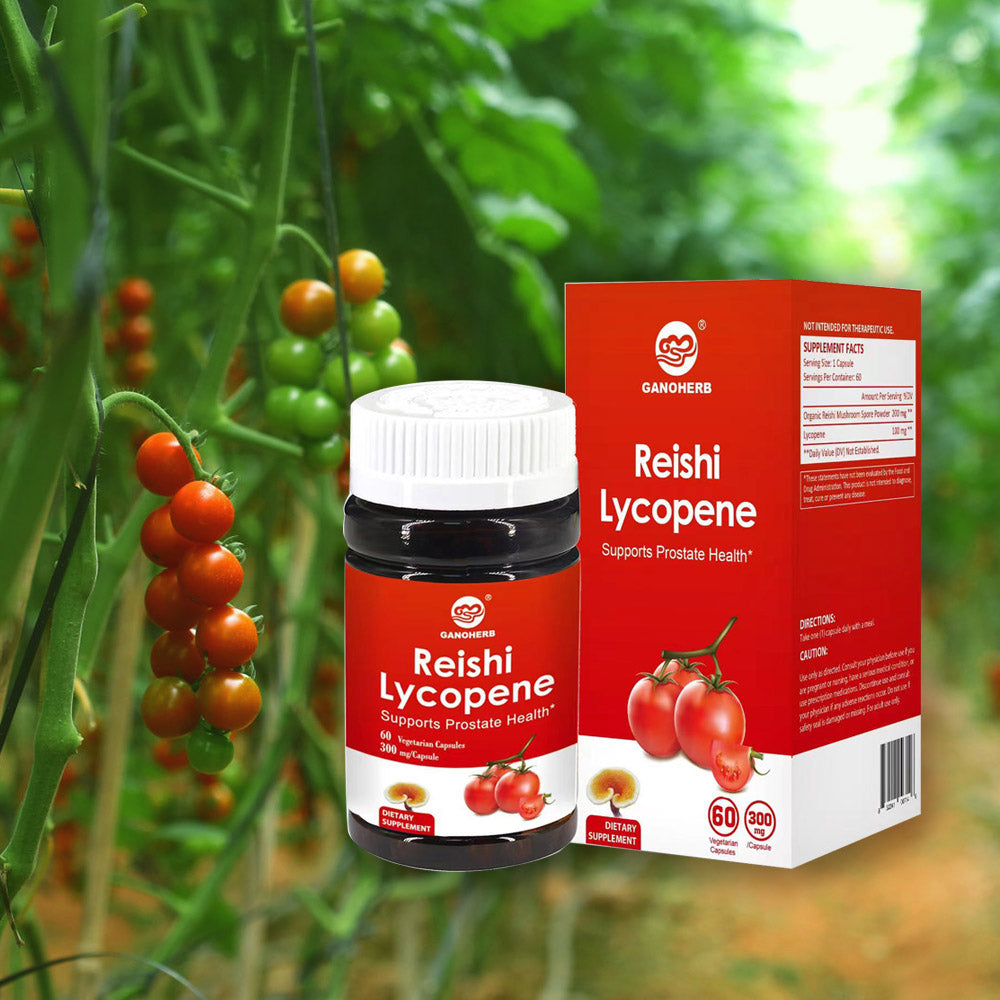


Reishi Mushroom Capsules: Selection, Pricing, and Extraction Standards
The world of dietary supplements is vast and often confusing. Among the many botanical options available, the demand for fungal-based products has seen a sharp rise.
One specific product stands out for its convenience and history: the reishi mushroom capsule. This format allows consumers to access the properties of Ganoderma lucidum without dealing with its natural taste.
Reishi is not a culinary mushroom in the traditional sense. It is woody, tough, and intensely bitter. You cannot simply slice it and sauté it like a button mushroom.
For centuries, the only way to consume it was by boiling it into a dark, strong tea. This process was time-consuming and the flavor was often difficult for many to tolerate.
Modern processing has solved this issue. By encapsulating the extract, manufacturers provide a tasteless, measured dose.
This guide explores the technical details of these capsules. We will examine how they are made, how to read the labels, and what determines their market price.

The Anatomy of the Reishi Mushroom
To understand what goes into a capsule, one must understand the fungus itself. The Reishi mushroom consists of two main parts.
The first is the fruiting body. This is the cap and stem that grows above the surface. It is the part historically used in traditional preparations.
The second is the mycelium. This is the root system of the fungus. It typically grows underground or inside the wood log that supports the mushroom.
High-quality reishi mushroom capsules usually prioritize the fruiting body. This part contains a high concentration of specific compounds like triterpenes.
However, many commercial products use mycelium. This is often grown on grains like rice or oats in a laboratory setting.
Consumers should be aware of this distinction. Mycelium-based products can contain high levels of starch from the grain substrate.
The Extraction Process: Water vs. Alcohol
Raw Reishi is indigestible to humans. Its cell walls are made of chitin, the same substance found in crab shells.
To make the compounds within the mushroom bioavailable, they must be extracted. This is a critical step in manufacturing a reishi mushroom capsule.
Hot Water Extraction
This is the most common method. The mushrooms are boiled for hours. This breaks down the chitin and releases water-soluble compounds called polysaccharides (specifically beta-glucans).
Alcohol Extraction
Some compounds in Reishi, specifically triterpenes, do not dissolve in water. They require ethanol (alcohol) to be extracted.
Dual-Extraction
This is the gold standard. It involves subjecting the mushroom to both hot water and alcohol. The two liquids are then combined and dried.
A capsule containing dual-extracted powder offers a broader spectrum of the mushroom's natural profile.
Water Only: High in beta-glucans, low in triterpenes.
Alcohol Only: High in triterpenes, low in beta-glucans.
Dual Extract: Balanced profile of both.
Reading the Supplement Facts Label
The label on the bottle is your primary source of truth. Marketing claims on the front can be vague, but the back panel must be precise.
Look for the amount per serving. This tells you how many milligrams of extract are in each reishi mushroom capsule.
Crucially, look for the extraction ratio. You might see numbers like 10:1 or 1:1.
A 10:1 ratio means that 10 pounds of raw mushrooms were used to create 1 pound of extract powder. This implies a higher concentration.
However, a high ratio is not the only marker of quality. You should also look for standardized percentages of active compounds.
Beta-glucans: Look for >20% or >30%.
Triterpenes: Look for >2% or >4%.
Fillers: Avoid magnesium stearate or silicon dioxide if possible.
Capsule Materials: Gelatin vs. Vegetable
The capsule shell itself is an important consideration for many buyers. It holds the powder and dissolves in the stomach.
Gelatin Capsules
These are made from animal by-products (usually bovine or porcine). They are inexpensive and have been the industry standard for decades. They are not suitable for vegetarians or vegans.
HPMC (Vegetable) Capsules
These are made from hydroxypropyl methylcellulose, which is derived from plant fibers. They are strictly vegetarian and vegan-friendly.
Most premium mushroom brands now use vegetable capsules. They are more stable and appeal to a wider demographic.
Some brands also use pullulan capsules. These are made from fermented tapioca starch and are considered the most natural option, offering excellent oxygen barriers to protect the powder.
The Importance of Log-Grown Cultivation
The environment where the mushroom grows impacts its chemical composition. Reishi is a wood-rotting fungus.
In nature, it absorbs nutrients from the tree it grows on. This wood substrate provides the precursors needed for the mushroom to produce triterpenes.
Log-Grown
This method mimics nature. The fungus is inoculated into hardwood logs and buried in shade houses. It takes months to mature. This typically yields a potent reishi mushroom capsule.
Sawdust/Bag-Grown
The fungus grows on bags of sawdust. This is faster and cheaper but may result in a lighter, less dense mushroom.
Grain-Grown
As mentioned earlier, this is for mycelium. The fungus grows on rice. This is the cheapest method but often results in a product high in carbohydrates.
When selecting a product, look for Log-Grown on the label or website description.
Taste as a Quality Indicator
You might wonder why taste matters for a capsule. You swallow it whole, after all.
However, opening a capsule and tasting the powder is a great way to verify quality. Reishi is naturally very bitter.
This bitterness comes from the triterpenes (ganoderic acids). If you open a reishi mushroom capsule and the powder tastes like flour or is sweet, it is likely poor quality.
A high-quality extract should have a deep, rich, and intensely bitter flavor profile.
The color should be a dark, rich brown. A light tan or beige color often indicates a high level of grain filler or a lack of proper extraction.
Cost Analysis: Why Prices Vary
There is a significant price disparity in the market. You can find bottles for $10 and others for $50.
The Budget Tier
These products are often made from mycelium on grain. They are cheap to produce because the manufacturing time is short. They are often ground powder, not extracts.
The Mid-Range
These are usually standard hot-water extracts. They are effective and offer good value. They typically use sawdust-grown fruiting bodies.
The Premium Tier
These products use log-grown, dual-extracted fruiting bodies. They also invest in third-party testing.
Testing adds cost. A reputable brand tests every batch for heavy metals, pesticides, and biological contaminants. This safety assurance is reflected in the final price of the reishi mushroom capsule.
Solubility and Bioavailability
The goal of taking a supplement is for the body to absorb it. This is where solubility matters.
A high-quality extract powder inside the capsule should be hygroscopic. This means it loves water.
If you empty the capsule into warm water, it should dissolve reasonably well. There may be some sediment, but the majority should integrate.
Non-extracted mushroom powder (simple ground biomass) will not dissolve. It will float or sink as grit.
The extraction process breaks down the tough cell walls, making the compounds accessible to your digestive system. Without extraction, bioavailability is low.
Comparing Capsules to Powders and Tinctures
Capsules are not the only way to consume this fungus. How do they compare to other formats?
Capsules vs. Powder
Bulk powder is cheaper. You are not paying for the encapsulation process. However, the taste of Reishi is challenging. Capsules mask this completely. Capsules also offer convenient, consistent dosing.
Capsules vs. Tinctures
Tinctures are liquid extracts. They are excellent for absorption but can be messy. They often contain alcohol, which some users wish to avoid. Capsules are travel-friendly and spill-proof.
Capsules vs. Tea
Brewing tea is the traditional method. It is a ritualistic experience. However, it takes time (20-30 minutes of boiling). A reishi mushroom capsule takes seconds to consume.
Sustainability and Packaging
The supplement industry generates a lot of plastic waste. Conscious consumers are looking for better options.
Look for brands that use glass bottles or Post-Consumer Recycled (PCR) plastic.
Some companies now offer refill pouches. You keep your original glass jar and buy a compostable pouch of capsules to refill it.
Sustainability also extends to the farm. Log-grown mushrooms can be sustainable if the wood is sourced from managed forests.
Avoid brands that do not disclose their sourcing regions. Transparency is a key indicator of ethical business practices.

When and How to Take Them
Integrating a reishi mushroom capsule into your daily routine is simple. Most users prefer the evening.
While there are no strict rules, the properties of the mushroom are often associated with winding down.
Consistency is more important than timing. Taking the supplement at the same time every day helps establish a habit.
Many users take two capsules with water. Some prefer to take them with a small amount of fat (like a nut butter or yogurt) to aid in the absorption of the fat-soluble triterpenes.
Always follow the dosage instructions on the specific bottle you purchase. Concentrations vary, so one pill from Brand A might equal two from Brand B.
Potential Allergens and Sensitivities
Mushrooms are fungi, and some people have mold or fungal allergies.
While rare, sensitivities can occur. If you are allergic to culinary mushrooms, you should approach reishi supplements with caution.
Additionally, check the Other Ingredients list for common allergens.
Gluten can be a hidden issue in cheap products. If the mycelium was grown on wheat or rye, the final capsule might contain gluten.
Always look for Certified Gluten-Free if you have Celiac proplem or a strong sensitivity. High-quality fruiting body extracts are naturally gluten-free.
The Role of Third-Party Testing
We touched on this regarding price, but it deserves its own section. The supplement industry is loosely regulated in many regions.
This means the manufacturer is responsible for ensuring safety. Not all do a thorough job.
Third-party testing means an independent lab analyzes the product. They check for:
Heavy Metals: Lead, Mercury, Arsenic, Cadmium.
Microbiology: E. coli, Salmonella, Mold.
Potency: Verifying the beta-glucan content matches the label.
A Certificate of Analysis (COA) should be available upon request or posted on the brand's website. If a company hides this, it is a red flag.
Selecting the right reishi mushroom capsule requires a bit of research. It is not enough to just pick the prettiest bottle.
You must look at the extraction method, the part of the mushroom used, and the transparency of the company.
By prioritizing log-grown, dual-extracted fruiting bodies, you ensure you are getting a product with a full spectrum of compounds.
While premium options cost more, the difference in potency and purity is often substantial.
Whether you are adding it to an evening routine or a general wellness stack, a high-quality capsule offers a convenient bridge to this ancient botanical.
Frequently Asked Questions
Q1: What is the best time of day to take a reishi mushroom capsule?
A1: Most users prefer to take Reishi in the evening or roughly an hour before bed. This is because it is often used to support evening relaxation routines. However, it can be taken at any time of day that fits your schedule, as long as you are consistent.
Q2: Can I open the capsule and mix the powder into drinks?
A2: Yes, you can. If you cannot swallow pills, you can twist the capsule open. However, be warned that the powder inside is intensely bitter. It mixes best with strong flavors like coffee, cacao, or savory soups to mask the taste.
Q3: How many milligrams should I look for in a capsule?
A3: A standard dosage is typically between 500mg and 1000mg of extract per day. Most capsules contain 500mg each. Therefore, a common serving size is two capsules. Always check the concentration ratio, as 500mg of a 10:1 extract is stronger than 500mg of a 1:1 powder.
Q4: Is there a difference between Reishi Spores and extracts?
A4: Yes. Spores are the reproductive seeds of the mushroom. They have a very hard shell that must be cracked or broken to be digestible. Spore oil or cracked spore powder is different from a standard fruiting body extract. Spores are very high in triterpenes but lower in beta-glucans compared to the whole fruit body.
Q5: Why is the powder inside my capsule a light beige color?
A5: A light beige or tan color often indicates that the product is either ground mycelium on grain (containing a lot of starch) or a non-extracted mushroom powder. A high-quality, dual-extracted reishi product should generally be a dark, rich brown color due to the concentration of compounds.