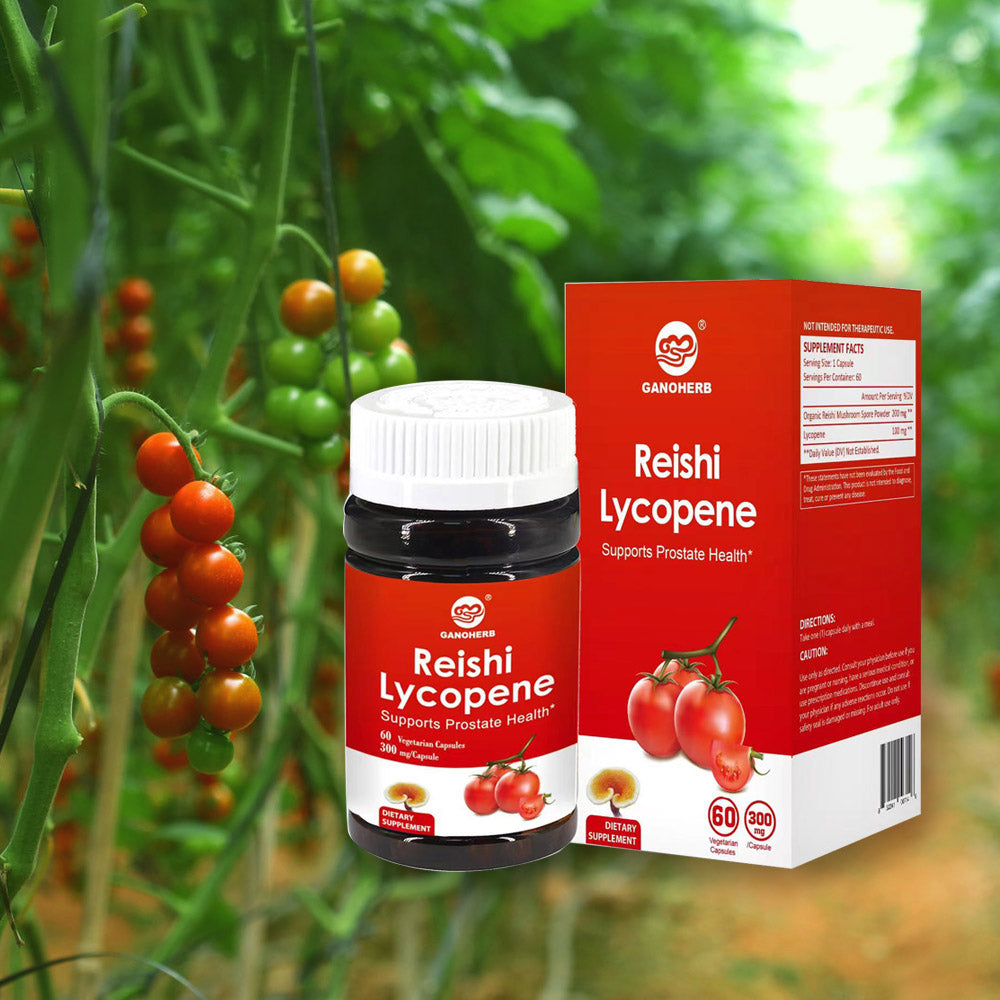


Red Reishi Mushroom Capsules: How to Identify Premium Quality & Trusted Suppliers
Red reishi mushroom capsules have gained steady attention among those who explore herbal supplements. With numerous brands offering different formulations, knowing what separates a wellcrafted product from an ordinary one becomes essential. This guide focuses on tangible factors—cultivation, extraction, and supplier transparency—so you can make an informed choice when purchasing red reishi mushroom capsules.

What Exactly Are Red Reishi Mushroom Capsules?
Red reishi mushroom capsules contain processed material from the fruiting body of Ganoderma lingzhi. Depending on the manufacturer, the capsule may hold finely ground powder or a concentrated extract. The powder offers the whole spectrum of natural components, while extracts are refined to contain specific compounds like triterpenes or polysaccharides. Neither format is inherently superior—it depends on personal preference and intended use.
Most capsules use vegetarian (cellulose) shells, though gelatin-based options exist. Reputable brands always list the type of reishi material (fruiting body, mycelium, or blend) on the label. Understanding this basic distinction helps you compare products more effectively.
Critical Quality Indicators for Red Reishi Mushroom Capsules
- Organic certification – Grown without synthetic pesticides or fertilisers. Organic red reishi mushroom capsules typically carry a USDA Organic or EU Organic seal.
- Fruiting body vs. mycelium – The fruiting body is the woody part traditionally used. Mycelium is the rootlike structure often cultivated on grain, which can dilute the concentration. Look for 100% fruiting body on the label.
- Extraction method – Water extraction (for polysaccharides) and alcohol extraction (for triterpenes) are common. Dualextracted red reishi mushroom capsules offer a broader profile.
- Thirdparty lab testing – Independent analysis confirms purity (heavy metals, microbes) and potency. Reputable suppliers provide Certificates of Analysis (COA) online.
These indicators are not just marketing terms—they reflect the effort a producer invests. A capsule that meets these criteria tends to be more reliable, though often at a higher price point.
Powder-Filled vs. Extract Capsules: Key Differences
Consumers often wonder whether to choose straightforward powder or a concentrated extract. Both forms deliver distinct characteristics, and the decision largely revolves around convenience and individual needs. Below is a quick comparison.
- Whole powder capsules – Contain dried and milled fruiting body. They retain all natural fibers and minor compounds. Usually more economical, but require higher daily intake (typically 1000–2000 mg).
- Extract capsules (standardized) – Made by concentrating active fractions via water or ethanol. The ratio (e.g., 10:1, 20:1) indicates how much raw material was used. They allow smaller capsule sizes, and are often preferred by those who want a higher amount of triterpenes per capsule.
- Dualextract combinations – Some red reishi mushroom capsules blend both water and alcoholextracted powders to provide a more complete composition. These are usually positioned as premium offerings.
When browsing, check the Supplement Facts panel: if it lists a proprietary blend without disclosing individual amounts, you may want to contact the manufacturer for clarification.
Where to Find Trustworthy Suppliers of Red Reishi Mushroom Capsules
Identifying a reliable source is as important as the product itself. The market includes small speciality shops and large online platforms. Here are practical ways to evaluate a supplier.
- Direct brand websites – Often provide detailed lab reports, origin stories, and cultivation methods. Look for brands that clearly state grown in [country] and tested by [independent lab].
- Specialised mushroom retailers – Vendors dedicated to fungi supplements usually have stricter sourcing criteria. They often carry multiple brands and can answer technical questions about red reishi mushroom capsules.
- Marketplace indicators – On platforms like Amazon or iHerb, filter for Amazon’s Choice or Top Rated but always read recent reviews. Pay attention to comments about capsule appearance, aftertaste, and packaging integrity.
- Brickandmortar natural food stores – You can physically examine packaging and sometimes speak with a knowledgeable staff member. Stores with a high turnover ensure fresher stock.
No matter the channel, verify that the supplier offers clear contact information and stands behind their products with a satisfaction guarantee.
Understanding Price Ranges for Red Reishi Mushroom Capsules
Prices vary widely—from under $15 to over $50 per bottle. This variation often confuses firsttime buyers. The following factors explain why some red reishi mushroom capsules cost more.
- Organic farming vs. conventional – Organic certification involves higher labour and compliance costs, reflected in the final price.
- Extract concentration – A 20:1 extract requires twenty pounds of raw material to produce one pound of extract, drastically increasing cost compared to raw powder.
- Testing depth – Brands that test for pesticides, heavy metals, and microbiological contaminants absorb those lab fees. Budget products often skip comprehensive screening.
- Packaging and encapsulation – Nitrogenflushed bottles, UVprotective glass, and vegetable cellulose capsules add to production costs but preserve freshness.
A moderately priced bottle (around $25–$35 for 60 capsules) often represents a fair balance between quality and affordability. Extremely cheap offers may indicate grainfilled mycelium or lack of testing.
Technical Insight: How Red Reishi Mushroom Capsules Are Processed
Behind every capsule lies a series of steps that influence the final composition. Understanding the basics helps you interpret product labels with confidence.
Harvest & cleaning: Mature fruiting bodies are collected, then cleaned to remove debris. Some producers use hot water or steam to soften the tough chitinous structure.
Extraction (if applicable): For extractbased capsules, the material is simmered in water (for polysaccharides) or steeped in foodgrade ethanol (for triterpenes). Dual extraction involves separate cycles, then blending the dried filtrates.
Drying & milling: Lowtemperature drying preserves heatsensitive components. The dried material is then milled to a fine powder and sieved. For extracts, the liquid is spraydried or vacuumdried into a powder.
Encapsulation: The powder is filled into capsules using automated machinery. Reputable manufacturers conduct inprocess checks to ensure weight uniformity and seal integrity.

Practical Tips for Choosing the Right Red Reishi Mushroom Capsules
With dozens of options, narrowing down can feel overwhelming. Keep these actionable pointers in mind while shopping.
- Decide whether you prefer whole powder (higher intake, traditional) or an extract (concentrated).
- Look for capsules that state fruiting body only and avoid ambiguous terms like myceliated grain.
- Check the suggested use – some products recommend two capsules twice daily, others only one per day. This influences how long a bottle lasts.
- If you have dietary restrictions, verify that the capsule shell is vegan (pullulan or HPMC) and free from common allergens.
- Reach out to customer service with a question about sourcing. Their responsiveness often reflects overall reliability.
Taking a few minutes to research can lead to a more satisfactory experience with red reishi mushroom capsules.
Frequently Asked Questions About Red Reishi Mushroom Capsules
Selecting red reishi mushroom capsules does not have to be complicated. By focusing on organic origins, extraction clarity, and transparent suppliers, you can confidently choose a product that matches your expectations. Whether you prefer a traditional powder or a modern dualextract, the market today offers plenty of verifiable options.