

Pumpkin Seed Extract Capsules: A Comprehensive Look at Daily Nutritional Support
Pumpkin seed extract capsules have become a staple in the world of botanical nutrition. Sourced from the seeds of Cucurbita pepo, these supplements offer a concentrated form of the valuable compounds found in nature.
Many individuals prefer this delivery method over consuming raw seeds due to convenience and consistency. The modern lifestyle often demands efficient ways to obtain essential nutrients without significant dietary changes.
Understanding the composition and value of these capsules helps consumers make informed choices. This article explores the various aspects of this botanical extract, from its nutrient profile to its practical application in a daily routine.

The Nutritional Profile of Pumpkin Seeds
The core value of pumpkin seed extract capsules lies in the density of nutrients found in the original seed. These seeds are naturally abundant in essential minerals and fatty acids that the body requires for normal function.
Zinc is one of the primary minerals present. It plays a significant role in numerous biological processes. Many people find it difficult to obtain adequate zinc solely through standard food sources.
Magnesium is another key component. This mineral is involved in hundreds of enzymatic reactions. A consistent intake of magnesium contributes to overall physical balance and wellness.
In addition to minerals, these seeds contain:
Linoleic acid: An essential omega-6 fatty acid.
Oleic acid: A beneficial monounsaturated fat.
Vitamin E: A well-known antioxidant found in plant oils.
Carotenoids: Pigments that serve as antioxidants.
Extraction Methods and Quality
The process of turning raw seeds into pumpkin seed extract capsules involves specific techniques designed to preserve the integrity of the oil and nutrients.
Cold-pressing is a common method used. This mechanical process uses pressure rather than heat to extract the oil. Excessive heat during processing can degrade delicate fatty acids.
Supercritical CO2 extraction is another advanced technique. It uses carbon dioxide under high pressure to pull the desired compounds from the plant material. This method ensures no chemical solvents remain in the final product.
When selecting a supplement, understanding the extraction ratio is useful. This indicates how much raw material was used to create the final extract. A higher ratio often implies a more concentrated product.
Advantages of Capsules Over Raw Seeds
While snacking on raw pumpkin seeds is enjoyable, it comes with caloric and logistical considerations. Pumpkin seed extract capsules offer a streamlined alternative for those focused specifically on the oil and micronutrients.
Raw seeds contain fiber and carbohydrates that might not fit every dietary plan. Capsules isolate the lipid-soluble nutrients, removing the bulk.
Taste is another factor. The distinct flavor of pumpkin seed oil is nutty and strong. Some individuals find this flavor overpowering when taken by the spoon.
Capsules provide a flavorless experience. This encapsulation protects the oil from oxidation, which can occur when liquid oil is exposed to air in a bottle.
Fatty Acids and Physical Wellness
The fatty acid profile of pumpkin seed extract capsules is a primary reason for their popularity. These lipids are fundamental building blocks for the body.
Omega-3 and Omega-6 fatty acids must be balanced within the body. Modern diets often lack these essentials in the correct proportions.
Botanical sources of these fats are highly valued. They provide a plant-based option for those who may wish to avoid marine-based supplements like fish oil.
Consistent intake of these essential fatty acids supports the maintenance of cell membranes. This is crucial for maintaining the physical structure of cells throughout the body.
Supporting Men’s Wellness
Historically, pumpkin seeds have been associated with men’s wellness routines. Pumpkin seed extract capsules are frequently chosen by men looking to support their nutritional baseline.
The high zinc content is often the focal point here. Zinc concentrates in specific areas of the male body and is vital for normal physiological function.
Many men introduce these supplements into their regimen as they age. It serves as a proactive approach to maintaining nutrient levels that might otherwise fluctuate.
It is important to view this as a nutritional support strategy rather than a therapeutic intervention. The goal is to provide the body with the raw materials it needs.
Botanical Support for Women
Women also benefit significantly from the nutrients found in pumpkin seed extract capsules. The mineral content supports various bodily functions relevant to women.
Iron is present in pumpkin seeds, though usually in lower amounts in oil extracts. However, the magnesium and zinc remain beneficial for daily balance.
The antioxidant properties of Vitamin E found in the oil are often linked to cosmetic benefits. Many users take these supplements with the intent of supporting skin texture and appearance.
Internal nourishment often reflects externally. Providing the body with adequate fatty acids can assist in maintaining moisture retention in the skin.
Understanding Dosage and Consistency
Establishing a routine with pumpkin seed extract capsules is key to seeing potential outcomes. Botanical supplements generally work through accumulation over time.
Most manufacturers recommend taking the capsules with water. Taking them with a meal can aid in absorption, particularly because the vitamins involved are fat-soluble.
There is no single standard dosage that applies to everyone. It depends on the concentration of the extract and the specific goals of the individual.
Reading the label is essential. The serving size may vary between one to three capsules per day depending on the brand formulation.
Comparing Gelatin and Vegetarian Capsules
The outer shell of pumpkin seed extract capsules is an important consideration for many consumers. Manufacturers offer different materials to suit various dietary needs.
Gelatin Capsules: Made from animal by-products (usually bovine or porcine). They are cost-effective and dissolve quickly.
Vegetarian Capsules (HPMC): Made from plant cellulose. These are suitable for vegans and those with dietary restrictions.
Softgels: These are sealed as a single unit, providing excellent protection against oxygen for liquid extracts.
Check the Other Ingredients list on the bottle. This section will specify what the capsule shell is made of.

Storage and Shelf Life
Proper storage extends the viability of pumpkin seed extract capsules. The oils inside are sensitive to environmental factors.
Heat and light are the primary enemies of potency. Storing the bottle in a cool, dark place, such as a pantry or cupboard, is ideal.
Some users prefer to keep their supplements in the refrigerator. While not strictly necessary for capsules, it can further slow down any oxidation processes.
Always check the expiration date. Natural oils can go rancid over time, even when encapsulated. If a capsule breaks and smells off or sharp, the product may be past its prime.
Integration with Other Supplements
Pumpkin seed extract capsules are often part of a broader supplement stack. They pair well with other botanicals and vitamins.
Common combinations include:
Saw Palmetto: Often taken together by men.
Vitamin D3: Since pumpkin seed oil contains fats, it can help with the absorption of Vitamin D.
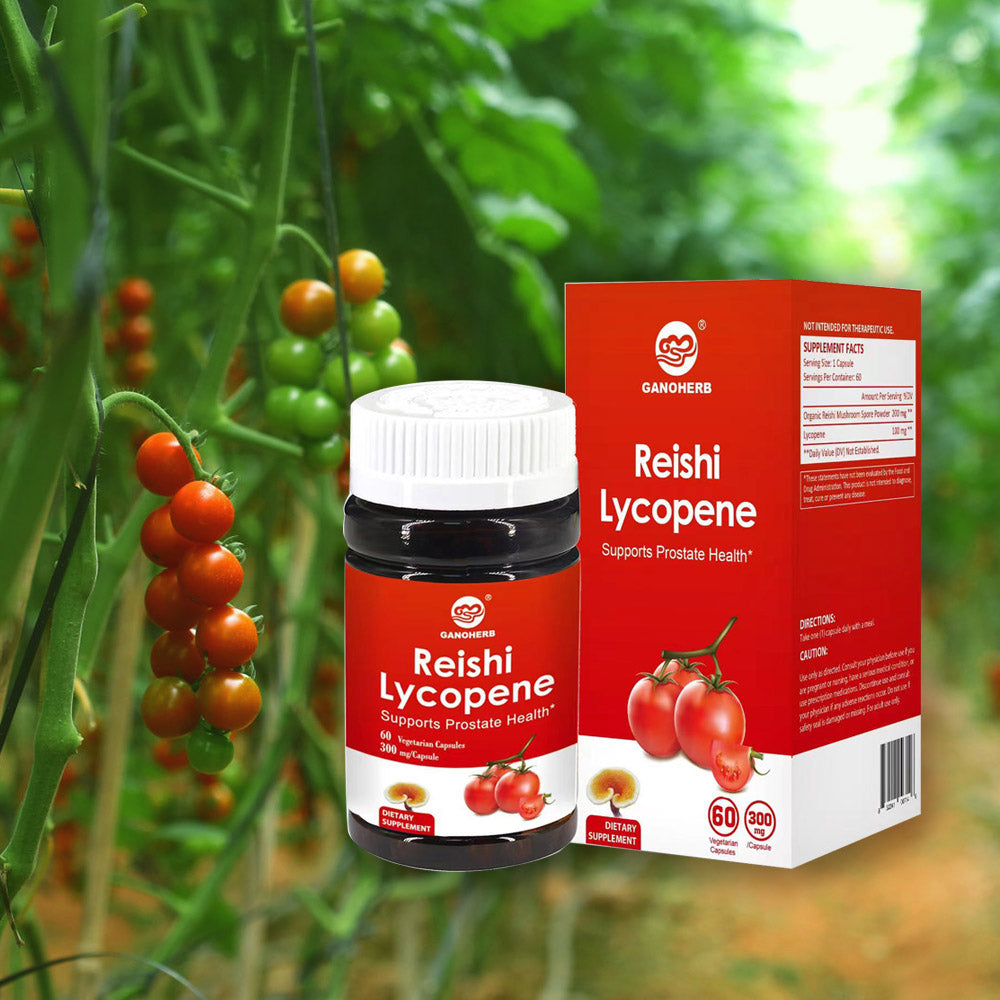
Lycopene: Another antioxidant found in tomatoes that complements the carotenoids in pumpkin seeds.
When combining supplements, it is wise to introduce them one at a time. This allows you to monitor how your body responds to each specific addition.
Dietary Considerations
These capsules are generally compatible with most diets. They fit well into Ketogenic (Keto) and Paleo lifestyles due to their healthy fat content and low carbohydrate count.
They are gluten-free by nature. However, cross-contamination can occur in factories. Always look for a Gluten-Free certification if this is a concern.
For those with nut allergies, caution is advised. While pumpkin seeds are seeds, not nuts, they are often processed in facilities that handle tree nuts.
Checking the allergen statement on the packaging is a necessary step for safety.
Environmental Impact and Sourcing
The source of the pumpkins matters. Many high-quality pumpkin seed extract capsules are derived from Styrian pumpkins, grown primarily in Austria.
These specific pumpkins are known for having hull-less seeds. This makes the extraction process more efficient and yields a darker, richer oil.
Sustainable farming practices ensure that the soil remains fertile. Brands that prioritize organic farming methods avoid the use of synthetic pesticides.
Choosing products from transparent companies supports ethical agriculture. Look for brands that disclose the origin of their raw materials.
The Role of Antioxidants
The term antioxidant appears frequently in nutrition. In the context of pumpkin seed extract capsules, it refers to compounds that neutralize free radicals.
Free radicals are unstable atoms that can cause wear on cells. The Vitamin E and carotenoids in pumpkin seed oil act as a defense mechanism.
This protection is a fundamental aspect of maintaining physical condition. It is not about stopping aging, but rather about supporting the body's natural resilience.
Regular intake ensures a steady supply of these protective compounds. It acts as a buffer against daily environmental stressors.
Selecting the Right Product
With so many options available, choosing the best pumpkin seed extract capsules can be confusing. Price is not always the best indicator of quality.
Look for cold-pressed on the label. This ensures the nutrients haven't been damaged by heat during production.
Check for standardization. Some extracts are standardized to contain a specific percentage of fatty acids or sterols.
Third-party testing is a gold standard. Independent labs verify that the contents of the bottle match the label and are free from contaminants.
Summary of Benefits
In conclusion, pumpkin seed extract capsules offer a versatile and nutrient-dense addition to a daily regimen. They bridge the gap between whole food nutrition and modern convenience.
From providing essential minerals like zinc and magnesium to offering a source of plant-based fatty acids, their value is clear.
They support wellness for both men and women in distinct ways. The ease of use makes them a sustainable habit for the long term.
By choosing high-quality, cold-pressed options, consumers can ensure they are getting the most out of this powerful botanical.
Common Questions and Answers
Q1: What is the best time of day to take pumpkin seed extract capsules?
A1: Generally, there is no specific time that is mandatory. However, taking them with a meal is often recommended. The fats in the meal help the body absorb the fat-soluble nutrients in the capsule more efficiently. Consistency is more important than the exact hour of the day.
Q2: Are pumpkin seed extract capsules safe for vegetarians and vegans?
A2: The extract itself is purely plant-based. However, you must check the capsule shell material. If the shell is made of gelatin, it is not vegetarian. Look for capsules labeled as veggie caps, cellulose, or plant-based to ensure they align with your dietary choices.
Q3: Can I open the capsule and use the oil on food?
A3: Yes, in most cases, you can puncture the capsule and squeeze the oil onto salads or other foods. Keep in mind the oil is concentrated and may have a strong flavor. Do not use this oil for high-heat cooking, as it will destroy the beneficial nutrients.
Q4: How long does it take to notice a difference after starting these supplements?
A4: Botanical supplements act as nutritional support, not instant fixes. It typically takes several weeks of consistent use to build up nutrient levels in the body. Most users report observing changes after 4 to 8 weeks of daily intake.
Q5: Is there a difference between eating raw seeds and taking pumpkin seed extract capsules?
A5: Yes. Raw seeds provide fiber, protein, and carbohydrates alongside the oil. Capsules provide a concentrated dose of the oil (lipids) and fat-soluble micronutrients without the bulk or calories of the whole seed. Capsules are more convenient for targeting specific nutrient intake like fatty acids and phytosterols.