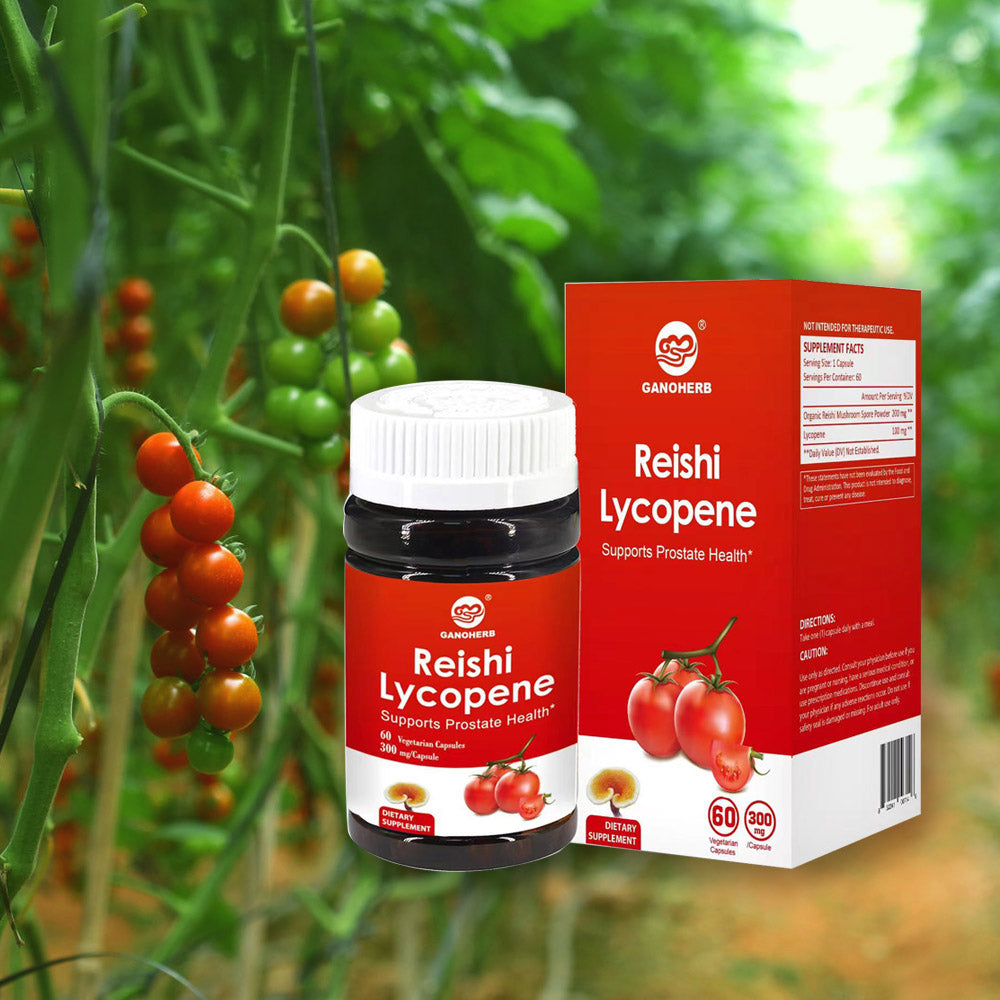


Organic Reishi Capsules: Sourcing, Quality Standards, and Buyer’s Guide
The market for functional fungi has expanded significantly in recent years. Among the most sought-after products are organic reishi capsules. These supplements offer a convenient way for consumers to access the components of Ganoderma lucidum without the need for preparation.
For retailers, manufacturers, and end-consumers, understanding the nuances of these products is vital. Quality varies immensely based on cultivation methods, extraction processes, and the origin of the raw material.
This guide provides a technical overview of the product category. It covers how to evaluate quality, understand manufacturing standards, and interpret market pricing without resorting to marketing hyperbole.

Understanding the Raw Material Source
The foundation of any high-quality supplement is the raw material. For organic reishi capsules, the source of the fungi dictates the chemical profile of the final product.
There are two primary methods for cultivating these mushrooms. The first is on hardwood logs, often referred to as "Duanwood" cultivation. This method mimics the fungi's natural environment.
Mushrooms grown on hardwood logs typically take longer to mature. This extended duration allows the fruiting body to develop a denser structure.
The second method involves growing the fungi on grain substrates, such as rice or oats, in controlled indoor environments. This is often faster and cheaper.
Duanwood (Log-grown): Cultivated on natural wood, usually outdoors or in shade houses.
Grain-grown: Cultivated on sterilized grain bags in temperature-controlled rooms.
Wild-harvested: Collected from forests, though supply is inconsistent and quality varies.
When selecting a product, identifying the cultivation method is the first step in quality assessment.
Fruiting Body vs. Mycelium
A critical distinction in the industry is the part of the fungal organism used in the capsule. The "fruiting body" is the mushroom cap and stem that we visually recognize.
The "mycelium" is the root-like network that grows beneath the surface. In grain-based cultivation, the mycelium grows through the grain substrate.
It is difficult to separate the mycelium from the grain once it has grown. Consequently, products made from mycelium often contain a significant amount of the grain substrate itself.
This results in a final powder that may be high in starch. High-quality organic reishi capsules typically prioritize the use of the fruiting body.
Using the fruiting body ensures that the capsule contains the actual mushroom tissue rather than residual starch from rice or oats.
The Importance of Organic Certification
Mushrooms are known as bio-accumulators. They absorb nutrients, but also potential contaminants, from the environment in which they grow.
This characteristic makes the "organic" label more than just a marketing buzzword. It is a safety standard. Organic certification ensures the substrate and water used are free from synthetic pesticides.
For organic reishi capsules, this certification verifies that the product has been produced without genetically modified organisms (GMOs) or prohibited substances.
Suppliers should be able to provide valid organic certificates from recognized bodies like the USDA or EU Organic verifyers.
Pesticide Screening: Ensures no harmful chemical residues.
Heavy Metal Testing: Critical for fungi, which can absorb lead and mercury.
Non-GMO: Guarantees the genetic integrity of the strain.
Extraction Methods and Potency
Raw Ganoderma lucidum is tough and woody. It contains chitin, a fibrous substance that is indigestible to humans.
To make the compounds within the mushroom accessible, manufacturers use extraction processes. The most common method is hot water extraction.
Hot water extraction targets water-soluble compounds. This process breaks down the chitin cell walls and concentrates the material.
For a broader spectrum of compounds, dual extraction is used. This involves an alcohol extraction phase in addition to the hot water phase.
Alcohol is used to pull out non-water-soluble components, such as triterpenoids. The liquid is then dried into a powder.
When looking at organic reishi capsules, the label may state an extraction ratio, such as 10:1. This indicates that 10 kilograms of raw mushroom were used to create 1 kilogram of extract powder.
Spore Powder and Shell-Breaking Technology
Another variation of the product involves the spores. Spores are the reproductive seeds of the mushroom, released when the fruiting body reaches maturity.
These spores are rich in lipids and specific compounds. However, they are protected by a double-walled shell that is extremely hard.
If the shell is not cracked, the spores pass through the system unchanged. Therefore, technology is required to "crack" or "break" the spore wall.
High-quality supplements will specify that they use "shell-broken" spore powder. Physical milling or vibration technologies are used to achieve this.
Uncracked Spores: Low bioavailability as the shell remains intact.
Cracked Spores: The shell is fractured, allowing access to the interior oil.
Spore Oil: A highly concentrated lipid extract derived solely from the spores.
Capsule Material and Manufacturing
The capsule shell itself is an important component of the product. It protects the powder from oxidation and moisture.
Historically, gelatin capsules derived from animal by-products were the standard. However, the market has shifted.
Most organic reishi capsules now use vegetable cellulose (HPMC) or pullulan. These materials are plant-based and align with the preferences of many consumers.
Vegetable capsules generally have a lower moisture content than gelatin. This is advantageous for hygroscopic powders like mushroom extracts, which absorb moisture easily.
Manufacturing facilities should adhere to Good Manufacturing Practices (GMP). This ensures the capsules are filled in a clean, controlled environment.
Analyzing the Supplement Facts Label
Reading the label correctly is essential for sourcing or purchasing. A transparent label will list the specific amount of mushroom extract per serving.
Avoid products that use "proprietary blends" where the amount of reishi is hidden among other ingredients. You want to know exactly how much you are getting.
Look for the standardization of active markers. For example, a label might state "Standardized to contain >30% Beta-Glucans."
This provides a quantitative measure of the product's composition. It moves the assessment from subjective to objective.
Serving Size: Check if the dosage requires one capsule or three.
Other Ingredients: Look for fillers like magnesium stearate or rice flour.
Origin: The label should state where the mushrooms were cultivated.
Cost Factors and Price Comparison
There is a wide price range for organic reishi capsules. Understanding the drivers of cost helps in making an informed decision.
Grain-grown mycelium products are generally cheaper to produce. The production cycle is short, and the process is automated.
Log-grown fruiting body extracts are more expensive. The cultivation takes months, and harvesting is often manual.
Dual-extraction processes add to the cost due to the use of ethanol and the extra processing time required.
When comparing prices, calculate the price per gram of active ingredient, not just the price per bottle.
A cheap bottle with a low concentration or high filler content offers poor value compared to a higher-priced, pure extract.

Flow Agents and Fillers
To run high-speed encapsulation machines, manufacturers often add "flow agents." These powders prevent the mushroom extract from clumping.
Common flow agents include silicon dioxide and magnesium stearate. While generally recognized as safe, many consumers prefer products without them.
Some premium brands avoid flow agents entirely. This requires slower manufacturing speeds and more careful handling, which can increase the price.
Others use natural alternatives like organic rice hulls to maintain the flow of the powder during encapsulation.
Check the "Other Ingredients" section of the label to see what has been added to the organic reishi capsules besides the mushroom powder.
Sourcing from China vs. North America
A common point of discussion is the geographic origin. China has a history of mushroom cultivation spanning thousands of years.
The majority of the world's log-grown Ganoderma lucidum comes from specific mountainous regions in China where the climate is ideal.
North American growers often focus on the grain-grown mycelium method due to labor costs and climate control requirements.
Neither origin is inherently "better" or "worse," but they typically represent different types of products (fruiting body vs. mycelium on grain).
Quality control testing is the equalizer. Regardless of origin, the final product must be tested for purity and safety.
Storage and Shelf Life
Mushroom extracts are sensitive to environmental factors. Moisture is the primary enemy of powdered extracts.
If moisture enters the capsule, the powder can harden or degrade. Proper packaging usually includes a desiccant packet inside the bottle.
Organic reishi capsules should be stored in a cool, dry place, away from direct sunlight. Kitchen cabinets near a stove or bathroom pills cabinets are not ideal due to heat and humidity.
Standard shelf life is typically two to three years from the date of manufacture, provided the seal remains intact.
Choosing the Right Supplier
For businesses looking to stock organic reishi capsules, vetting the supplier is a multi-step process.
Request a Certificate of Analysis (COA) for every batch. This document should show test results for heavy metals, microbiological status, and active compound levels.
Ask about the "carrier" used in spray drying. Sometimes maltodextrin is added to help the liquid extract turn into powder.
If the product claims to be 100% mushroom, there should be minimal to no carriers used. Transparency from the supplier is key.
Q&A: Frequently Asked Questions
Q1: What is the difference between reishi powder and organic reishi capsules?
A1: The contents are often the same, but capsules offer pre-measured dosages and convenience. Capsules also mask the naturally bitter, earthy taste of the extract, which some people find unpalatable in loose powder form.
Q2: Why are some capsule powders dark brown while others are light tan?
A2: Color variation can depend on the extraction method and the part of the mushroom used. High-concentration hot water extracts from the fruiting body are typically dark brown. Lighter powders may indicate the presence of grain substrates, mycelium, or fillers.
Q3: What does "dual extract" mean on the bottle?
A3: Dual extract means the raw material went through two extraction processes: one with hot water and one with alcohol. This method aims to retrieve both the water-soluble compounds and the alcohol-soluble compounds (like triterpenes) from the fungus.
Q4: How do I know if the capsules are truly organic?
A4: Look for an official seal from a certifying body on the packaging, such as the USDA Organic seal or the EU Organic leaf. These certifications require the manufacturer to pass strict audits regarding their supply chain and production methods.
Q5: Are organic reishi capsules suitable for vegans?
A5: Most modern supplements use capsules made from hypromellose (HPMC) or pullulan, which are plant-based. However, you should always check the label to ensure they are not using gelatin capsules, which are derived from animal sources.