

Mushroom Drink Instead of Coffee: Flavor Profiles, Costs, and Brewing Guide
The morning routine is a sacred time for many. For years, the roasted bean has dominated this space. However, a shift is occurring in kitchens and cafes globally.
Consumers are increasingly reaching for a mushroom drink instead of coffee. This transition is not about abandoning a warm morning beverage. It is about finding an alternative that fits a changing lifestyle.
People are looking to modify their caffeine intake. Others are simply curious about new flavor profiles that culinary fungi can offer.
This guide explores the landscape of these functional beverages. We will analyze the cost, the taste, and how to select the right blend for your pantry.

Understanding the Composition of Fungal Brews
When you choose a mushroom drink instead of coffee, you are rarely drinking pure mushroom powder. Raw mushrooms are difficult to digest and do not dissolve well.
Manufacturers create these drinks using concentrated extracts. These extracts are often spray-dried into a fine powder that mimics the solubility of instant coffee.
The base of these drinks varies. Some use cacao to create a mocha-like experience. Others use chai spices like cinnamon, cardamom, and ginger.
There are also blends that mix the mushrooms with a small amount of black tea or decaffeinated coffee. This helps bridge the gap for those accustomed to the taste of roasted beans.
Common fungi used in these blends include:
Chaga: Known for its dark color and earthy, vanilla-like tones.
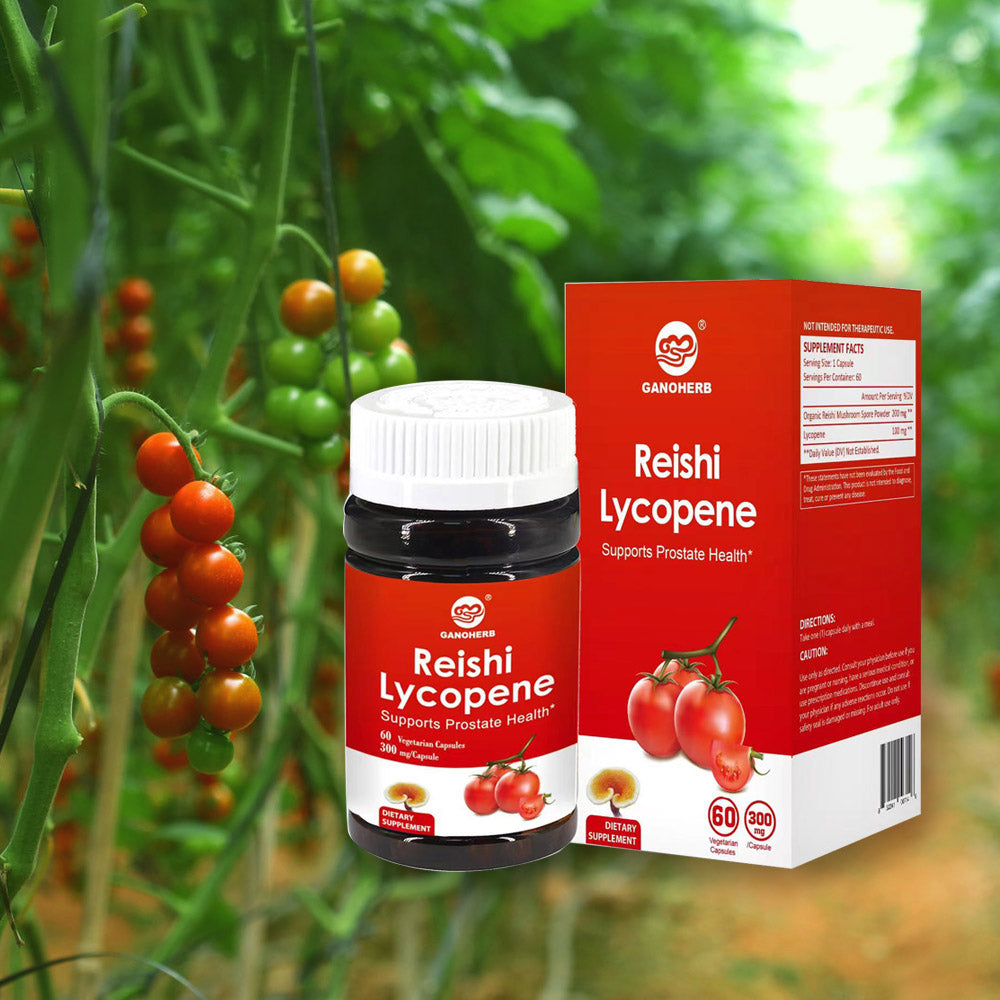
Reishi: Often used for its bitter profile, similar to dark chocolate or strong espresso.
Lion’s Mane: Possesses a milder, savory flavor that blends easily.
Cordyceps: Adds a nutty depth to the beverage.
The Flavor Profile: What to Expect
A common hesitation is the fear that the drink will taste like soup. This is a misconception.
When formulated correctly, a mushroom drink instead of coffee offers a rich, roasted flavor profile. The earthiness of the fungi pairs well with creamy elements.
If the base is cacao, the drink tastes like a sophisticated hot chocolate. It is less sweet than a candy bar but richer than plain cocoa water.
If the base includes dandelion root or chicory, the bitterness closely mimics a dark roast coffee. These ingredients have long been used as coffee substitutes.
For those who take their drink with milk or oat milk, the difference is even less noticeable. The fat in the milk smooths out any potential sharp notes from the extracts.
Managing Caffeine Levels
The primary driver for choosing a mushroom drink instead of coffee is often caffeine management.
Traditional coffee contains roughly 95mg of caffeine per cup. This can lead to jitters or disrupted sleep for sensitive individuals.
Mushroom alternatives offer a spectrum of caffeine levels. Some are completely caffeine-free, relying solely on herbal ingredients.
Others contain a fraction of the caffeine found in coffee. For example, a blend with black tea might contain only 40mg.
Cacao-based mushroom drinks contain theobromine. This is a mild stimulant found in chocolate that provides a different experience than caffeine.
Zero Caffeine: Herbal blends, pure mushroom extracts, chicory mixes.
Low Caffeine: Cacao blends, Green tea/Matcha mushroom mixes.
Medium Caffeine: Blends mixed with instant coffee powder.
Brewing Methods and Convenience
Convenience is king in the beverage market. Most mushroom alternatives are designed for speed.
They are typically sold as instant powders. You simply add hot water and stir. This eliminates the need for expensive grinding or brewing equipment.
However, temperature control is still important. Boiling water can sometimes scorch cacao or delicate spices.
Water around 200°F (93°C) is ideal. This temperature dissolves the powder fully without degrading the flavor compounds.
For a frothier texture, many users employ a handheld frother. This aerates the drink, giving it a latte-like consistency without an espresso machine.
Cost Analysis: Is It Worth the Switch?
Switching to a mushroom drink instead of coffee can impact your grocery budget. These beverages generally command a higher price point.
Standard ground coffee is a commodity. It is produced in massive quantities, keeping prices relatively low per cup.
Mushroom extracts require specialized processing. The fungi must be cultivated, harvested, and dual-extracted to make the nutrients bioavailable.
Entry Level Pricing
Basic blends containing fillers or lower ratios of extract can cost around $1.00 per serving.
Premium Pricing
High-quality brands using organic, dual-extracted fruiting bodies can cost upwards of $2.00 to $3.00 per serving.
Comparison
While more expensive than home-brewed drip coffee, these drinks are often cheaper than buying a daily latte at a coffee shop.
Reading the Label: Ingredients to Watch
To ensure you are getting a quality product, you must scrutinize the ingredient list.
Look for the source of the mushroom. Fruiting body indicates the actual mushroom cap was used. This is generally preferred for flavor and potency.
Mycelium on grain means the root system was used. These products often contain high amounts of starch from the rice or oats the fungi grew on.
Check for added sugars. Many latte mixes include cane sugar or coconut sugar as the first ingredient.
If you are looking for a healthy option, avoid products where sugar is the primary component.
Preferred: 100% Fruiting Body Extract.
Acceptable: Organic spices, Cacao powder, Coconut milk powder.
Avoid: Corn syrup solids, Artificial flavors, High sugar content.
The Role of Chicory and Dandelion
Many brands that market a mushroom drink instead of coffee utilize roots to mimic the coffee flavor.
Roasted chicory root has been used for centuries, particularly in New Orleans, as a coffee extender or substitute. It has a deep, woody flavor.
Roasted dandelion root is another common addition. It offers a bitterness that stimulates the palate in a way similar to espresso.
When these roots are combined with mushroom extracts (like Chaga), they create a full-bodied mouthfeel.
This combination satisfies the psychological need for a dark, bitter morning beverage without involving any coffee beans.
Sourcing and Sustainability
The environmental impact of coffee farming is a concern for some consumers. Water usage and deforestation are issues in certain coffee-growing regions.
Mushroom cultivation can be highly sustainable. Many culinary mushrooms are grown indoors on substrates like sawdust or agricultural byproducts.
This requires significantly less land and water than coffee plantations. It also allows for local production in cooler climates.
When buying a mushroom drink instead of coffee, look for brands that highlight sustainable packaging.
Biodegradable sachets or recyclable tins are becoming industry standards for responsible companies.
Business and Supply: Finding a Vendor
For cafe owners, offering a mushroom drink instead of coffee is a smart business move. It attracts a demographic that avoids caffeine.
Sourcing requires finding a supplier who provides consistent solubility. A powder that clumps in the cup will lead to customer complaints.
Ask potential suppliers for samples to test in both hot and iced formats. Some powders dissolve poorly in cold liquid.
Check if the supplier offers barista blends. These are formulated specifically to pair well with steamed oat or almond milk.
Key Supplier Questions:
Is the product organic certified?
Do they provide third-party testing for purity?
What is the shelf life of the bulk powder?

Integrating into a Routine
Making the switch does not have to be all or nothing. Many people start by replacing their afternoon cup first.
Drinking a mushroom beverage at 3 PM allows for a break in the day without the risk of keeping you awake at night.
Over time, some users transition their morning cup as well. The ritual of boiling water and smelling the aroma remains the same.
You can also use these powders in other ways. They can be added to smoothies or oatmeal for a flavor change.
Consistency is often cited as important by manufacturers, so finding a flavor you genuinely enjoy is critical.
DIY Blends: Making Your Own
If commercial blends are too expensive, you can make your own mushroom drink instead of coffee.
Purchase pure mushroom extract powders (like Reishi or Chaga) in bulk. These are concentrated and potent.
Mix a small amount (usually half a teaspoon) into a cup of hot water or herbal tea.
Add cacao powder and a sweetener of your choice. A pinch of sea salt can help bring out the flavors.
This method gives you total control over the ingredients and allows you to adjust the dosage to your preference.
Base: Hot water or Plant milk.
Flavor: Cacao, Cinnamon, Vanilla extract.
Active: Pure mushroom extract powder.
Fat: Coconut oil or Butter (for creaminess).
Storage and Shelf Life
Proper storage ensures your drink remains fresh. Mushroom powders are hygroscopic, meaning they attract moisture.
If left open, the powder will harden into a solid block. This is particularly true for blends containing coconut sugar or dried milk.
Store the container in a cool, dark cupboard. Do not store it in the refrigerator, as condensation can ruin the powder.
Most instant mushroom beverages have a shelf life of 12 to 18 months. Always check the expiration date before purchasing in bulk.
Final Thoughts on the Switch
Choosing a mushroom drink instead of coffee is a personal preference. It reflects a desire for a different type of morning ritual.
The market offers a vast array of flavors, from spicy chais to rich mochas. There is likely a blend that suits your palate.
By understanding the ingredients and the extraction process, you can find a high-quality product that justifies the price.
Whether you are looking to cut caffeine or simply explore the world of functional fungi, this category of beverages offers a compelling alternative to the traditional bean.
Frequently Asked Questions
Q1: Will a mushroom drink instead of coffee keep me awake at night?
A1: It depends on the specific blend. If the drink is based on cacao or contains a small amount of black tea, it will have some caffeine or stimulants, which might affect sensitive individuals. However, many mushroom drinks are herbal and completely caffeine-free, making them safe for evening consumption without disrupting sleep. Always check the label for caffeine content.
Q2: Does it dissolve easily like instant coffee?
A2: Most commercial mushroom blends are spray-dried to ensure they dissolve instantly in hot water. However, some blends containing spices or cacao might leave a small amount of sediment at the bottom of the cup. Using a frother or whisk can help ensure a completely smooth texture.
Q3: Can I drink this while fasting?
A3: Pure mushroom extracts mixed with water generally will not break a fast as they have negligible calories. However, many mushroom drink instead of coffee products contain added fats (like MCT oil), sugars, or creamers. These additives contain calories and will break a fast. You must use a pure extract without additives if fasting is your goal.
Q4: Is it safe to drink every day?
A4: Yes, these culinary mushrooms (like Lion's Mane, Chaga, and Reishi) are generally considered safe food products for daily consumption. They are commonly used in soups and teas in various cultures. However, as with any food item, it is best to listen to your body and stick to the serving size recommended on the package.
Q5: Why is mushroom coffee more expensive than regular coffee?
A5: The cost is higher due to the processing required. Regular coffee is simply roasted and ground beans. Mushroom drinks require the cultivation of fungi, followed by a dual-extraction process (using water and alcohol) to make the nutrients available, and then drying that extract into a powder. This complex manufacturing chain increases the final price.