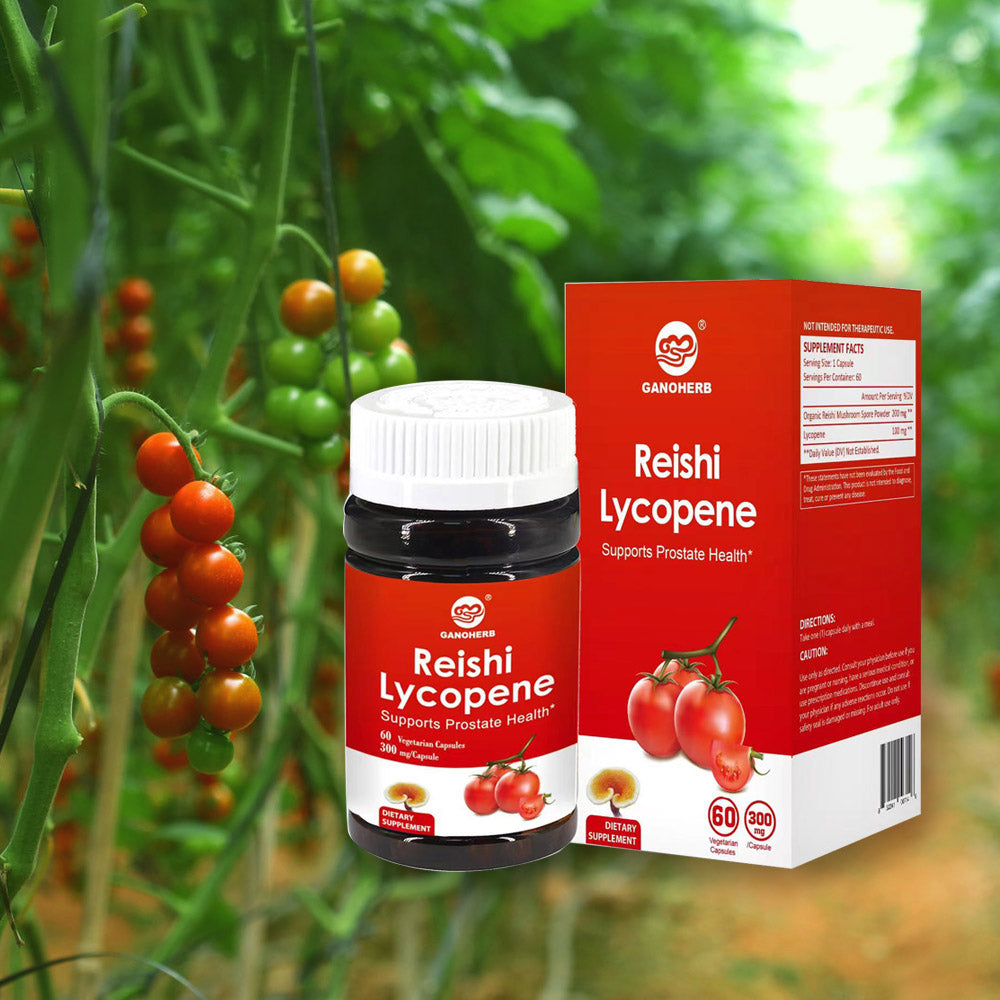


Lycopene Tablets: What You Need to Know Before You Buy
You see that vibrant red color in a ripe tomato or a slice of watermelon? That's lycopene at work. It's a natural compound that has moved from the garden to the supplement aisle in the form of lycopene tablets.
More people are considering these tablets as part of their daily routine. But what exactly are you getting in that bottle? This article breaks down the practical details—from how they're made to how to choose a good brand—without the hype.
Let's look at what goes into a lycopene supplement and what you should consider before adding it to your regimen.

From Tomato to Tablet: A Brief Background
Lycopene is a carotenoid, a type of pigment found in certain fruits and vegetables. Tomatoes are the most famous source, especially when cooked or processed. Watermelon, pink grapefruit, and papaya also contain it.
The idea of concentrating this compound into a tablet form is relatively modern. It started with scientific interest in the compound's properties. Researchers wanted a consistent, measurable way to study it.
This led to the development of extraction technologies. The goal was to create a standardized product. Today, lycopene tablets offer a concentrated form that's separate from whole food.
They are chosen by individuals who seek a specific intake level. This level might be difficult to achieve through diet alone, especially for those who don't regularly consume tomato-based foods.
Inside the Factory: How Lycopene Tablets Are Made
The journey to a finished bottle of lycopene supplements is fascinating. It starts with sourcing. Most commercial lycopene comes from specially cultivated, high-yield tomato plants.
The tomatoes undergo a washing and crushing process. The resulting pulp is then treated to separate the valuable oleoresin—a thick, oily extract rich in lycopene and other tomato compounds.
Next comes purification and concentration. Advanced techniques like supercritical CO2 extraction are often used. This method creates a highly pure lycopene extract without using harsh solvents.
This extract is a deep red powder or oil. To turn it into lycopene tablets, manufacturers mix it with carrier oils and other ingredients. These ensure stability and proper absorption in the body.
Finally, the mixture is encapsulated or pressed into tablets. Each batch is tested for purity and strength. This ensures every lycopene tablet contains the amount listed on the label.
What Drives People to Consider Lycopene Tablets?
People look at lycopene tablets for various personal reasons. A primary motivator is dietary consistency. Getting a steady amount from food every day can be challenging.
Cooked tomatoes and tomato paste are excellent sources. However, not everyone enjoys these foods regularly. A lycopene supplement provides a simple, predictable alternative.
Some individuals follow specific dietary patterns. Their chosen way of eating might limit common lycopene sources. A tablet can help fill that nutritional gap without changing their meal plan.
Others are interested in the compound's role as a carotenoid. They seek to support their body's natural defenses against environmental stressors. A concentrated tablet offers a direct approach.
Convenience is a major factor. Taking a lycopene tablet is quick and easy. It fits seamlessly into a morning routine alongside other daily supplements.
Points to Ponder: Considerations and Drawbacks
While lycopene tablets are popular, they are not a perfect solution for everyone. It's important to consider the full picture before starting.
First, they are a concentrated source, not a whole food. Tablets lack the fiber, vitamins, and other beneficial compounds found in a real tomato. Food offers a complex nutritional matrix that pills cannot replicate.
Absorption can vary. Lycopene from food is best absorbed with a source of fat. The same is true for tablets. Taking your lycopene supplement without a meal containing fat may reduce its uptake.
Quality varies widely between brands. The market has excellent products and some with questionable purity. Some cheaper lycopene tablets may use inferior extraction methods or include unnecessary fillers.
There is also a potential for very high intake. Exceeding the suggested serving on a lycopene supplement bottle is not advised. It's always wise to follow dosage instructions carefully.
For some, the cost is a drawback. High-quality lycopene tablets from reputable brands represent an ongoing expense. Weighing this cost against your dietary habits is a personal calculation.
Choosing Your Supplement: Key Selection Factors
Not all lycopene tablets are created equal. Here’s what to scrutinize on the label to make a confident choice.
Look for the source of lycopene. Tomato extract or LycoRed (a well-known branded ingredient) is a good sign. The label should state the amount of pure lycopene per serving, usually between 10 to 30 mg.
Check the other ingredients. A high-quality lycopene supplement will have a short, clean list. Avoid products loaded with artificial colors, excessive binders, or unknown additives.
The form matters. Lycopene is fat-soluble. Many better lycopene tablets include a small amount of oil in the formula, or they are softgels. This aids in the body's absorption process.
Third-party testing is a gold standard. Look for seals from organizations like NSF International or USP. This means an independent lab has verified the product's contents and purity.
Finally, consider the brand's reputation. Established companies with transparent sourcing and good manufacturing practices (GMP certification) are generally more reliable.

Evaluating Cost and Value for Money
The price of lycopene tablets can be confusing. A higher price doesn't always mean better quality, but the cheapest option often comes with compromises.
Calculate the cost per serving. Divide the product's price by the number of servings in the bottle. This lets you compare different brands and bottle sizes on an equal footing.
Consider concentration. A bottle of lycopene supplements with 15 mg per tablet may be cheaper than one with 25 mg. But you might need to take more of the lower-dose product to match your goal.
Subscription models or bulk purchases often offer savings. Many reputable companies provide discounts for setting up automatic deliveries or buying multi-month supplies.
Remember, value isn't just about price. It's about the quality of the extract, the reliability of the dosage, and the peace of mind that comes from a trusted brand. Investing in a verified product is usually wiser.
The Flavor and Sensory Profile
A significant advantage of lycopene tablets is their lack of flavor. Unlike some supplements, they are generally tasteless and odorless when swallowed.
This is a major benefit for those sensitive to tastes or smells. You won't experience the distinct tomatoey or sometimes bitter aftertaste that liquid extracts might have.
The tablet or softgel itself is typically small to medium in size, making it easy to swallow for most adults. There’s no need to mask the flavor in a smoothie or juice.
For individuals who simply do not enjoy the taste of cooked tomatoes or tomato juice, this is an ideal solution. Lycopene tablets deliver the compound without affecting your sensory experience.
It’s a straightforward, no-fuss approach to intake. You get the consistency of a measured dose in a convenient, neutral format.
Integrating Tablets into Your Routine
If you decide to try lycopene tablets, integration is simple. Consistency is the most important factor for maintaining steady levels in your body.
The best time to take them is with a meal that contains fat. This could be breakfast, lunch, or dinner. The fat significantly helps your body absorb the lycopene.
You can place the bottle next to your other daily supplements as a visual reminder. Linking it to an existing habit, like your morning coffee or evening meal, helps build consistency.
It’s not necessary to take more than the recommended serving on the label. More is not better. Start with the standard serving and assess how it fits into your overall regimen over time.
Listen to your body and note how you feel. A lycopene supplement should be a seamless addition, not a disruptive one. Choose a product and routine that feels sustainable for you.
Frequently Asked Questions
Q1: What is the best time of day to take lycopene tablets?
A1: The best time is with your largest meal that contains some fat. This could be lunch or dinner. The dietary fat present in the meal aids your body in absorbing the lycopene effectively.
Q2: Can I get enough lycopene from food instead of tablets?
A2: Absolutely. Cooked tomatoes, tomato paste, tomato sauce, and watermelon are excellent natural sources. Lycopene tablets are a convenient option for those who don't regularly consume these foods or want a precise, consistent intake.
Q3: Are there any side effects from taking lycopene supplements?
A3: Lycopene is generally well-tolerated. In rare cases, very high intakes from supplements may cause digestive discomfort or a harmless temporary orange discoloration of the skin called lycopenodermia. Always adhere to the recommended serving size.
Q4: How should I store my bottle of lycopene tablets?
A4: Store them in a cool, dry place away from direct sunlight and moisture. The bathroom capsules cabinet is often too humid. A kitchen cupboard away from the stove or sink is usually a better choice to preserve the quality of the lycopene supplement.
Q5: Can vegetarians and vegans take lycopene tablets?
A5: Yes, most lycopene tablets are derived from tomatoes and are suitable for vegetarians and vegans. However, always check the label for non-vegan ingredients like gelatin in the capsule. Many brands now use plant-based cellulose capsules.