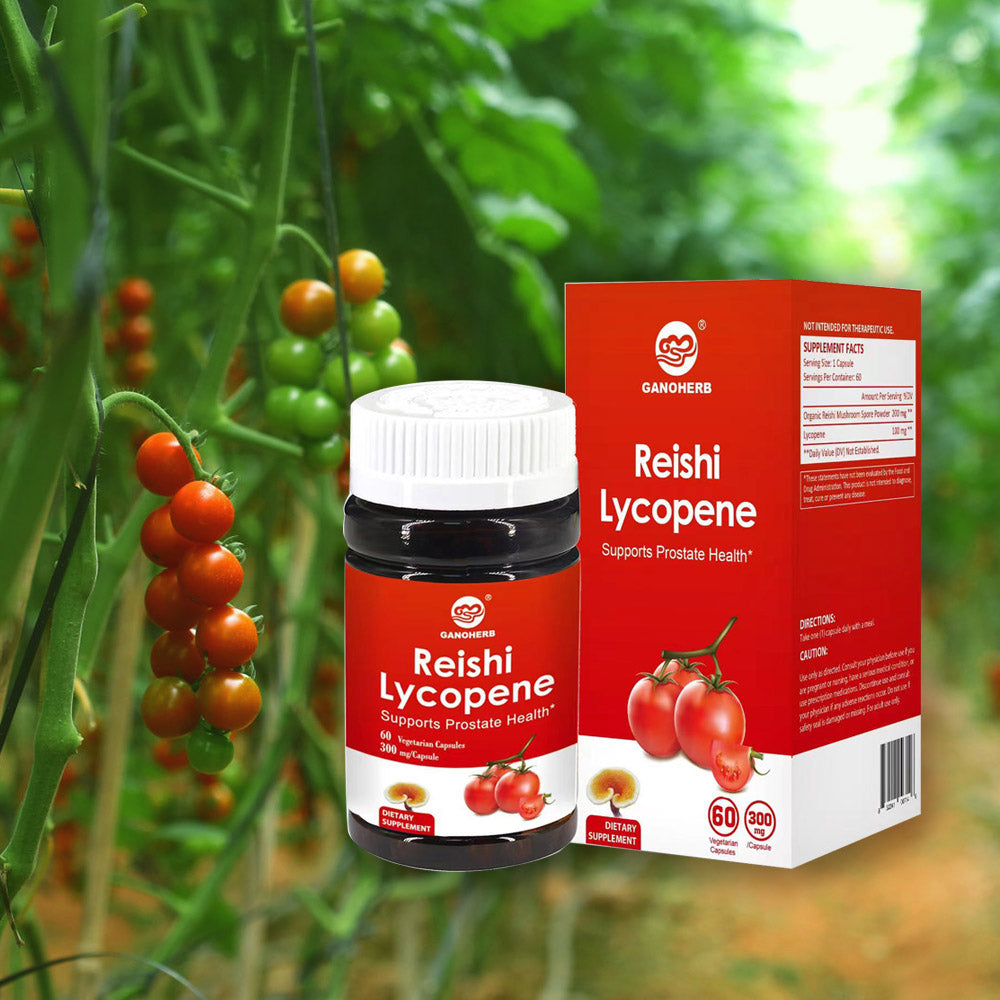


Lycopene Tablets Guide: Extraction, Bioavailability, and Pricing
The market for dietary supplements has expanded well beyond basic multivitamins. Consumers are increasingly seeking specific compounds to support their daily wellness routines.
One such compound that has gained significant traction is lycopene. Known as the pigment responsible for the bright red color of tomatoes, it is a powerful carotenoid.
While fresh tomatoes are a common food source, consistency in diet is often difficult to maintain. This has led to the rise of lycopene tablets as a convenient alternative.
This article examines the details of these supplements. We will analyze how they are made, how to choose the right formulation, and what determines their price.

Understanding the Composition of Lycopene Tablets
Lycopene is a carotenoid, a type of organic pigment found in plants. It is not produced by the human body, meaning it must be obtained through external sources.
In the context of supplements, the active ingredient is usually derived from tomatoes. However, not all products are created equal.
Some tablets contain simple dehydrated tomato powder. These often have lower concentrations of the active compound compared to standardized extracts.
High-quality lycopene tablets utilize an oleoresin extraction. This ensures that the specific carotenoid is isolated and concentrated for consistent dosing.
Standardized Extract: Guarantees a specific percentage of active compound.
Tomato Powder: Dried fruit, often with variable nutrient levels.
Synthetic Options: Created in a lab, structurally identical but lacking co-nutrients.
The Extraction Process: From Farm to Pill
The journey of a lycopene tablet begins in the field. Tomatoes bred for extraction are typically different from those found in the produce aisle.
These industrial tomatoes have thicker skins and lower water content. They are harvested and processed quickly to prevent degradation of the phytonutrients.
The extraction method is critical. Solvent-free extraction using supercritical CO2 is considered the premium standard.
This method avoids the use of harsh chemicals like hexane. It results in a cleaner final product that retains the integrity of the molecule.
Cheaper manufacturing methods may use chemical solvents. While cost-effective, trace amounts of solvents can sometimes remain in the final powder.
Bioavailability: The Absorption Challenge
Lycopene is lipophilic, meaning it dissolves in fat, not water. This presents a challenge for absorption when taken in a dry tablet form.
If you swallow a tablet with a glass of water on an empty stomach, absorption may be minimal. The body needs dietary fat to transport the molecule.
Manufacturers tackle this in various ways. Some compress the powder with lipid-based excipients to aid digestion.
However, the consumer plays a large role here. Taking lycopene tablets with a meal containing fats, such as olive oil or avocado, significantly improves uptake.
Lipophilic Nature: Requires fat for transport.
Meal Timing: Best taken with lunch or dinner.
Formulation: Look for tablets that include lipid carriers.
Comparing Formats: Tablets vs. Softgels vs. Capsules
When shopping, you will encounter different physical forms. While lycopene tablets is a common search term, softgels are also prevalent.
Tablets are durable and shelf-stable. They can be packed with a higher density of active ingredients per unit of volume.
However, tablets often require binders and fillers to hold their shape. Common additives include magnesium stearate or silicon dioxide.
Softgels usually contain the extract suspended in oil. This pre-dissolved state can offer better immediate bioavailability but may have a shorter shelf life.
Hard capsules offer a middle ground. They contain loose powder, allowing for fewer binders than tablets, but still require dietary fat for proper absorption.
Reading the Label: A Buyer’s Checklist
Navigating supplement labels requires attention to detail. The front of the bottle is marketing; the back is where the truth lies.
First, check the serving size. A bottle might claim 50mg Lycopene, but the fine print might reveal that this requires taking two or three tablets.
Second, look for the source indication. Terms like natural tomato extract are preferable to generic chemical listings.
Check the Other Ingredients list. Minimizing fillers is generally better for digestion and overall purity.
Serving Size: Verify how many pills constitute a dose.
Source: Look for mention of tomatoes or Blakeslea trispora (a fungus source).
Additives: Avoid artificial colors (Red 40) sometimes used to enhance appearance.
Synthetic vs. Natural Sources
Not all lycopene comes from a farm. Synthetic production is a major part of the industry.
Synthetic lycopene is created from petrochemical precursors. It is chemically identical to the natural molecule but often lacks the cis-isomers found in nature.
Natural tomato lycopene contains a mix of isomers that the body recognizes easily. It also comes with other phytocompounds like phytoene and phytofluene.
These supporting compounds work together. This synergy is often referred to in the nutrition industry as the entourage effect, similar to other botanical extracts.
Most premium brands will explicitly state Natural or Tomato-derived on the packaging. If the label is vague, it may be synthetic.
Cost Breakdown and Pricing Factors
The price of lycopene tablets varies widely. Understanding the drivers of cost can help you find the best value.
Entry-Level Pricing
Budget options often use synthetic ingredients or low-concentration tomato powder. These can cost as little as $0.10 per serving.
Mid-Range
Standardized natural extracts usually fall in the $0.20 to $0.40 per serving range. These balance quality with affordability.
Premium Tiers
Proprietary blends or patented extraction methods command the highest prices. These may cost upwards of $0.60 per serving.
Bulk Buying: larger bottles often reduce the cost per unit.
Brand Reputation: Established brands charge for quality assurance testing.
Certifications: Organic or Non-GMO labels increase production costs.
Sourcing and Sustainability
The environmental footprint of your supplements is worth considering. Tomato farming can be water-intensive.
Responsible manufacturers source from farms using drip irrigation and sustainable soil practices.
There is also a niche market for lycopene derived from fungi (Blakeslea trispora). This fermentation-based method is highly sustainable and controlled.
It allows for production without vast agricultural land use. However, tomato-sourced tablets remain the most popular due to consumer familiarity.
Check the brand's website for sustainability reports. Transparency regarding raw material origin is a sign of a trustworthy supplier.
Integration with Other Functional Supplements
Lycopene tablets are rarely taken in isolation. They are often part of a broader wellness stack.
Many users combine them with other antioxidants like Vitamin C or Vitamin E. This combination is thought to provide a comprehensive approach to oxidative balance.
In the realm of functional extracts, lycopene pairs well with mushroom supplements. While distinct, both categories appeal to those seeking natural plant-based support.
For example, a regimen might include lycopene for cellular support and Reishi or Lion's Mane for distinct functional goals.
Multivitamins: Check if your daily multi already has lycopene to avoid redundancy.
Fatty Acids: Omega-3 supplements can serve as the necessary fat source for absorption.
Botanicals: Often stacked with Saw Palmetto or Pumpkin Seed extract.
Storage and Shelf Life
Carotenoids are sensitive to their environment. Oxidation is the primary enemy of lycopene tablets.
Exposure to light, heat, and oxygen can degrade the potency of the supplement. Over time, a bright red tablet may turn brown.
This color change indicates oxidation. While not necessarily harmful, the effectiveness of the compound is diminished.
Store your bottles in a cool, dark place. A kitchen cupboard away from the oven is ideal.
Do not remove the desiccant packet found inside the bottle. It absorbs moisture that can degrade the tablet structure.
Dietary Application and Timing
Consistency is more important than perfect timing. However, aligning your intake with your largest meal is a good strategy.
Breakfast is often low in fat (toast or cereal), making it a poor time for lycopene absorption.
Lunch or dinner, which typically contain oils or meats, provide the necessary lipid background.
If you practice intermittent fasting, take the tablet during your eating window. Taking it on an empty stomach during a fast may lead to minimal absorption.
Who Purchases These Supplements?
The demographic for lycopene tablets is diverse but leans towards specific groups.
Men over 40 are the primary consumers. This interest is driven by the association of lycopene with general male wellness.
Skincare enthusiasts also purchase these supplements. There is a growing interest in ingestible beauty where internal nutrition supports external appearance.
Athletes may also use them. The focus here is on managing the oxidative stress caused by rigorous physical training.
Identifying Quality Suppliers
With online marketplaces flooded with options, selecting a vendor requires vetting.
Look for GMP Certified on the label. Good Manufacturing Practice ensures the facility meets hygiene and process standards.
Third-party testing is the gold standard. Independent labs verify that the amount of lycopene listed on the label is actually in the tablet.
Be wary of proprietary blends that hide the specific dosage. Transparency is key in the supplement industry.
Read reviews that mention the physical condition of the product. Complaints about melted pills or broken tablets can indicate poor warehousing.

Potential Allergens and Sensitivities
While rare, tomato allergies do exist. For these individuals, tomato-derived lycopene tablets are not suitable.
Symptoms can range from mild digestive upset to skin rashes. In these cases, the fungal-derived options mentioned earlier are a viable alternative.
Gluten is another consideration. While the extract is gluten-free, the fillers in the tablet might not be.
Always check for Certified Gluten-Free if you have sensitivities. Cross-contamination in factories is a risk for cheaper brands.
Lycopene tablets offer a practical solution for bridging the gap between diet and optimal nutrient intake.
They provide a concentrated dose of a powerful carotenoid without the need to consume excessive amounts of tomato paste.
By understanding extraction methods, the importance of fat for absorption, and how to read labels, you can select a high-quality product.
Whether for general wellness, male vitality, or skin support, a well-chosen supplement can be a valuable addition to your daily regimen.
Frequently Asked Questions
Q1: Can I take lycopene tablets on an empty stomach?
A1: It is not recommended. Lycopene is fat-soluble, meaning it requires dietary fat to be properly absorbed by the body. Taking it with water on an empty stomach will result in very poor absorption. It is best taken with a meal that includes some fats, such as olive oil, nuts, or dairy.
Q2: Is there a difference between tomato powder and lycopene extract?
A2: Yes, a significant difference. Tomato powder is simply dried tomatoes and contains a low, variable concentration of lycopene. Lycopene extract is processed to isolate and concentrate the carotenoid, ensuring a standardized and higher dosage in each tablet.
Q3: Will taking these tablets turn my skin orange?
A3: It is possible but rare at standard dosages. A condition called lycopenodermia or carotenemia can occur if extremely high amounts of carotenoids are consumed over a long period. This results in a yellow-orange tint to the skin. This is reversible by reducing intake and is generally not harmful.
Q4: How should I store my lycopene tablets?
A4: You should store them in a cool, dark place away from direct sunlight and moisture. Lycopene is sensitive to light and oxidation. Keep the lid tightly closed and do not remove the moisture-absorbing packet from the bottle.
Q5: Can I get enough lycopene just from eating raw tomatoes?
A5: It is difficult. The lycopene in raw tomatoes is tightly bound to the plant fiber and is not easily absorbed. Cooking tomatoes breaks down cell walls and increases bioavailability. Supplements or cooked tomato products (like paste) are generally more efficient sources than raw fruit.