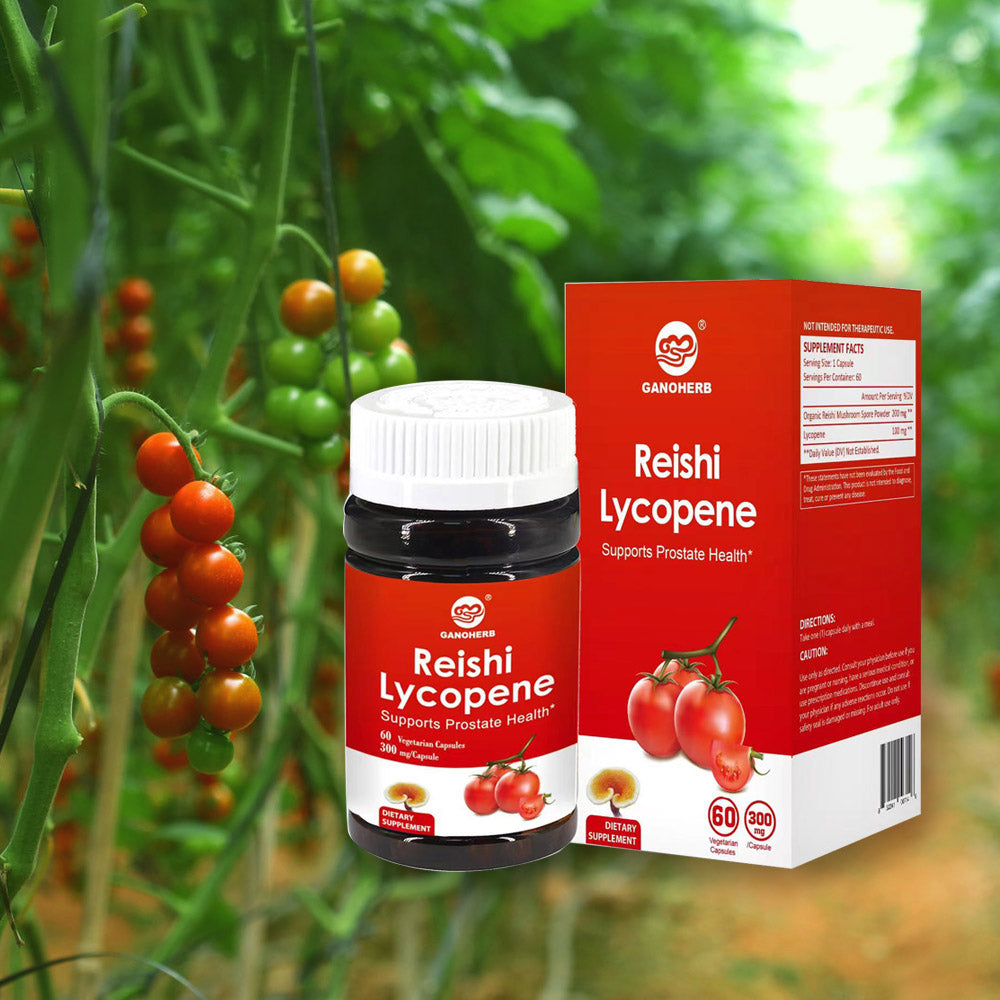


Lycopene Softgel Capsule: Science, Bioavailability & Selection Guide
Dietary antioxidants play a critical role in supporting human tissues against oxidative stress and environmental micro-damage. Among naturally occurring carotenoids, lycopene has earned significant recognition for its distinct structural properties and specialized physiological benefits. However, the biological efficacy of lycopene depends heavily on its delivery mechanism. Because lycopene is inherently fat-soluble, standard dry powder formulations often yield inconsistent absorption rates. The development of the lycopene softgel capsule has resolved this absorption bottleneck by suspending pure carotenoid extract within a protective liquid lipid matrix.
This article examines the underlying chemistry of lycopene, the physiological rationale for softgel encapsulation, functional health support areas, and key criteria for identifying high-grade commercial products.

Understanding Lycopene: Chemistry and Carotenoid Protection
Lycopene is a bright red carotenoid hydrocarbon found naturally in tomatoes, watermelon, pink grapefruit, and papaya. Chemically classified as a acyclic isomer of beta-carotene, lycopene lacks provitamin A activity but displays exceptional free radical quenching capacity. Its long chain of conjugated carbon-carbon double bonds enables it to neutralize singlet oxygen molecules rapidly.
Key chemical features of lycopene include:
- Lipophilic Structure: Lycopene is entirely insoluble in water, meaning it requires lipid molecules to form micelles for intestinal absorption.
- Thermal Isomerization: Heat processing converts natural all-trans lycopene into cis-isomers, which demonstrate higher biological bioavailability within human lipid membranes.
- Tissue Distribution: Once absorbed, lycopene concentrates preferentially in specialized tissues, including prostate tissue, adrenal glands, liver, and skin lipid layers.
Efficacy & Pain Point Solutions: Addressing Absorption Challenges
Consumers who consume dry lycopene tablets often encounter minimal biological benefit due to low dissolution rates within the digestive tract. Raw carotenoid powders pass through the gastrointestinal system with low intestinal uptake unless accompanied by high amounts of dietary fats.
The lycopene softgel capsule resolves this physiological challenge directly:
- Pre-Dissolved Lipid Matrix: Suspended within refined carrier oils, lycopene arrives in the small intestine pre-formulated for rapid micelle formation.
- Enhanced Bio-efficacy: Clinical evaluations demonstrate that lipid-encapsulated lycopene achieves significantly higher blood plasma levels compared to equivalent doses delivered in dry tablet formats.
- Protection from Atmospheric Oxidation: Lycopene degrades quickly when exposed to ambient oxygen and light. Hermetically sealed softgel shells shield sensitive carotenoids from oxidative breakdown during storage.
- Digestive Comfort: Softgel shells dissolve smoothly in gastric fluids, preventing direct contact between concentrated raw extracts and sensitive stomach linings.
Primary Health and Wellness Benefits
Incorporating a standardized lycopene softgel capsule into a daily health regimen supports several core areas of systemic function:
1. Support Normal Prostate Function and Urinary Comfort
Prostate tissue maintains high concentrations of lycopene relative to other internal organs. Consistent intake helps manage oxidative stress within prostatic tissues, supports normal prostate function, and balanced tissue architecture in maturing men. Many premium softgel products combine lycopene with pumpkin seed oil to offer dual-action prostate support.
2. Cardiovascular System and Lipoprotein Protection
Vascular health depends on keeping circulating lipids protected from oxidative modification. Lycopene integrates into low-density lipoproteins (LDL) within the bloodstream, helping shield LDL particles from oxidation. This action aids in supporting healthy arterial function, smooth micro-vascular circulation, and normal cardiovascular function.
3. Systemic Antioxidant Defense for Skin and Tissues
Environmental stressors, such as ultraviolet radiation, produce Reactive Oxygen Species (ROS) in dermal tissues. Lycopene acts as an internal physical antioxidant, migrating to lipid layers within skin tissues to assist in neutralizing UV-induced oxidative stress and supporting skin firmness and elasticity over time.
4. Botanical Synergy with Reishi Mushroom Extracts
Comprehensive wellness strategies often integrate carotenoid antioxidants with adaptogenic botanical supplements. Pairing a lycopene softgel capsule with Reishi mushroom extracts provides complementary health support:
- Lycopene: Delivers lipid-phase antioxidant protection for cardiovascular and prostate tissues.
- Reishi Mushroom: Supplies water-soluble beta-glucans and triterpenes that support immune responses and adaptive metabolic balance.
Form Factor Comparison: Softgels vs. Hard Capsules vs. Dry Tablets
Selecting the optimal product delivery form is critical for maximizing carotenoid uptake. The comparison table below highlights functional performance differences across formats:
| Evaluation Parameter | Lycopene Softgel Capsule | Two-Piece Hard Capsule | Compressed Dry Tablet |
|---|---|---|---|
| Bioavailability & Uptake | Maximum (Pre-dissolved in lipids) | Moderate (Requires meal fats) | Low (Poor powder dissolution) |
| Oxidation Shielding | Superior (Hermetically sealed) | Moderate (Air permeability at seam) | Poor (Exposed surface area) |
| Carrier Oil Synergy | Integrated (e.g., Olive/Pumpkin oil) | Rarely Included | None |
| Shelf Life Stability | 24 - 36 Months | 12 - 18 Months | 12 - 18 Months |
| Ease of Swallowing | High (Smooth gelatin coating) | Moderate | Low (Can cause friction) |
Buyer Selection Guide: Key Indicators of Premium Formulations
When selecting or formulating a commercial lycopene softgel capsule, specific quality indicators define true product potency and market value:
1. Quality of the Lipid Carrier Oil
Because carrier oil facilitates carotenoid uptake, the type of oil used inside the softgel is essential. Look for high-value lipid bases such as Extra Virgin Olive Oil, Cold-Pressed Pumpkin Seed Oil, or Non-GMO Sunflower Seed Oil. Avoid formulations relying heavily on highly refined soybean oil or hydrogenated fats.
2. Source of Lycopene: Natural Tomato Extract vs. Synthetic
Natural lycopene derived from non-GMO ripe tomatoes (Solanum lycopersicum) contains a complete complex of native phytonutrients, including phytoene, phytofluene, and natural tocopherols. These co-existing compounds work synergistically to enhance stability and bio-action compared to isolated synthetic lycopene crystals.
3. Standardized Active Concentration
Look for explicit label disclosures detailing pure active lycopene yield per serving (typically 10 mg to 20 mg per softgel). Unstandardized raw tomato powders lack guaranteed potency and deliver unpredictable daily results.
4. Shell Composition and Integrity
Ensure the softgel shell uses high-grade pharmaceutical gelatins (bovine or porcine) or plant-based starches (tapioca/carrageenan) free from synthetic plasticizers. Darkened softgel shells or natural caramel coloring offer additional protection against light-induced degradation.

Manufacturing Methods and Quality Control
Industrial production of a premium lycopene softgel capsule requires stringent environmental controls and precise encapsulation processing:
1. Supercritical CO2 Extraction: Ripe tomato concentrates undergo solvent-free supercritical fluid extraction, obtaining pure lycopene oleoresin without chemical residues.
2. De-aeration and Lipid Blending: Pure lycopene extract is blended into chosen carrier oils under a vacuum environment to eliminate dissolved oxygen bubbles that could cause lipid rancidity.
3. Rotary Die Encapsulation: The oil blend is injected into continuous gelatin ribbons under nitrogen gas blanketing, sealing liquid active ingredients inside hermetic softgel shells.
4. Controlled Drying & Analytical Testing: Softgels undergo dehumidified drying before undergoing High-Performance Liquid Chromatography (HPLC) assay to verify active lycopene milligrams, alongside Inductively Coupled Plasma Mass Spectrometry (ICP-MS) to confirm heavy metal compliance.
Daily Lifestyle Integration and Usage Guidelines
To maximize the functional benefits of a lycopene softgel capsule, follow these daily usage recommendations:
- Consume with Fat-Containing Meals: Even though softgels supply an internal lipid matrix, consuming capsules alongside a meal containing healthy fats (such as avocado, nuts, or olive oil) further stimulates bile secretion, enhancing total intestinal uptake.
- Maintain Consistency: Carotenoids build up in target tissues gradually over time. Daily, uninterrupted intake for 8 to 12 weeks yields optimal tissue saturation and functional outcomes.
- Pairing with Routine Supplements: Take lycopene softgel capsules in the morning or evening alongside complementary daily items like Reishi mushroom extracts, zinc, or Omega-3 fatty acid supplements.
Frequently Asked Questions (FAQ)
Q1: Why is a lycopene softgel capsule better than a dry powder tablet?
A1: Lycopene is fat-soluble. Softgel capsules suspend lycopene in liquid carrier oils, preparing the carotenoid for immediate micelle formation and intestinal uptake, whereas dry tablets often pass through the body unabsorbed.
Q2: How does a lycopene softgel capsule support prostate health?
A2: Lycopene concentrates naturally in prostate tissue, where its powerful singlet oxygen quenching ability helps neutralize oxidative stress, supporting healthy tissue structure and comfortable urinary flow.
Q3: Can lycopene softgel capsule supplements be taken together with Reishi mushroom extracts?
A3: Yes. Lycopene provides targeted lipid-phase antioxidant protection for cardiovascular and tissue structures, while Reishi mushroom extracts provide water-soluble polysaccharides that support adaptive immune balance.
Q4: What carrier oils are ideal inside a lycopene softgel capsule?
A4: Extra virgin olive oil and cold-pressed pumpkin seed oil are top choices. Pumpkin seed oil provides additional complementary benefits for prostate health, making it an excellent functional partner.
Q5: Should I take my lycopene softgel capsule with food?
A5: Yes. Taking softgels with meals containing healthy dietary fats triggers natural bile release, optimizing carotenoid absorption through the intestinal wall.
Q6: Is natural tomato-derived lycopene superior to synthetic lycopene?
A6: Natural tomato extract provides lycopene alongside natural co-factors such as phytoene, phytofluene, and vitamin E, which enhance overall carotenoid stability and biological synergy compared to synthetic isolates.