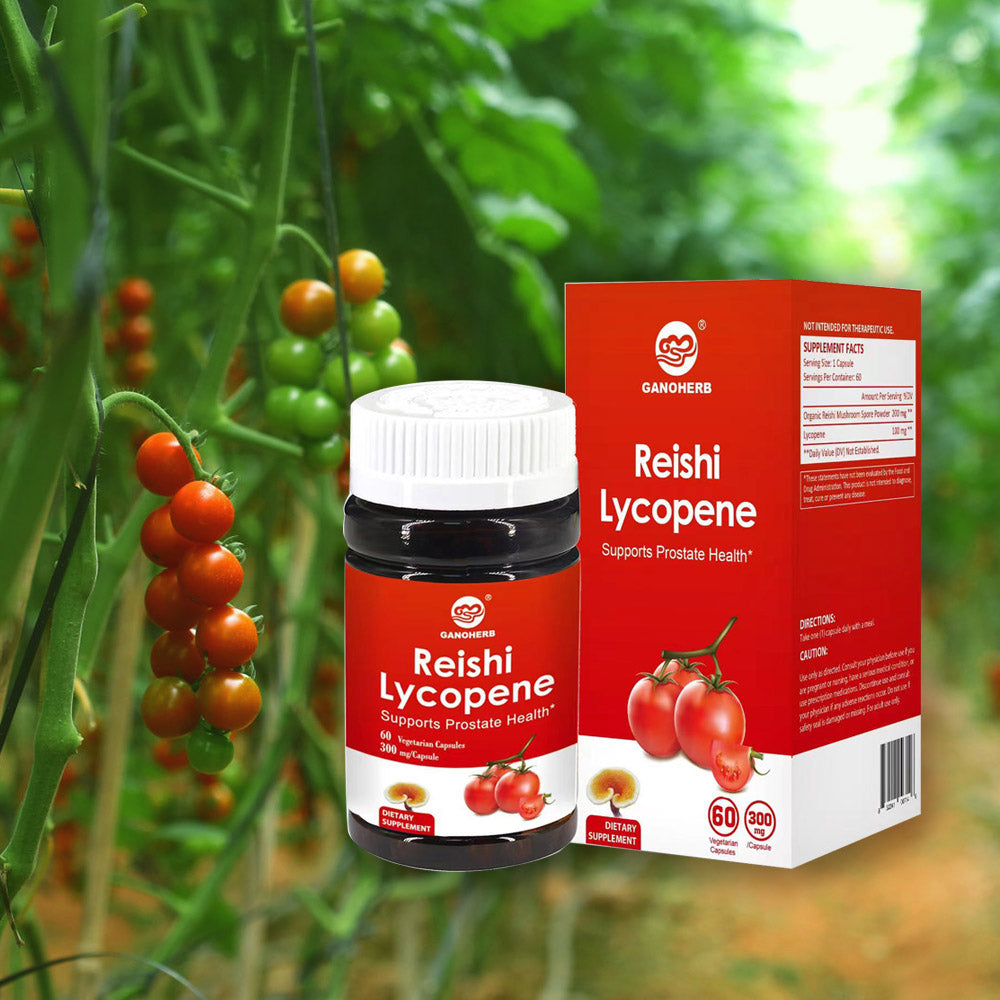


Lycopene Pill: Bioavailability, Daily Support, and Selection Criteria
Antioxidant carotenoids hold a major place in modern nutritional supplementation. Among these naturally occurring red pigments, lycopene stands out due to its distinct molecular structure and high capacity to quench singlet oxygen. While fresh tomatoes and watermelons provide dietary amounts of this fat-soluble compound, getting a consistent concentration from whole foods alone can be unpredictable. This reality has led many health-conscious adults to look closely at the modern lycopene pill as a practical way to support overall health.
Choosing the right supplement requires understanding how this fat-soluble nutrient is extracted, how the human digestive tract absorbs it, and how formulation factors influence its overall quality and value. This comprehensive review examines the background, extraction science, real-world utility, and buying criteria for consumers seeking reliable carotenoid support.

Origins and Extraction: From Ripe Tomatoes to Concentrated Capsule
Lycopene was first isolated from the red tomato (Solanum lycopersicum) in the early 20th century. Chemically, it is an open-chain polyunsaturated hydrocarbon containing eleven conjugated double bonds. Unlike beta-carotene, lycopene lacks a beta-ionone ring, meaning it does not convert into vitamin A within human tissue. Instead, its primary function remains centered on direct antioxidant activity and the neutralization of reactive oxygen species.
The manufacturing journey of a modern lycopene pill relies on specialized extraction methods designed to preserve the integrity of the active carotenoid:
- Supercritical Fluid Extraction (CO2): This method utilizes carbon dioxide under precise temperature and pressure parameters. It avoids chemical solvents entirely, yielding a pure tomato oleoresin rich in natural carotenoid isomers while leaving zero solvent residues.
- Solvent-Based Oleoresin Production: Food-grade solvents extract the lipid fraction from non-GMO tomato pulp. The solvent is subsequently evaporated under vacuum conditions to produce a concentrated paste standardized to specific percentages (commonly 5% to 10% active compound).
- Beadlet Microencapsulation: For dry tablet forms, manufacturers encapsulate the carotenoid inside a matrix of starch, gelatin, or vegetable gum. This protects the delicate polyene chain from degradation caused by heat, light, and ambient oxygen.
Core Biological Roles and Daily Advantages
When taken consistently, a lycopene pill provides targeted support across several biological systems. Rather than altering primary bodily functions abruptly, carotenoids integrate into lipid membranes, assisting the body's natural defense against oxidative stress.
1. Support Overall Wellness
Lycopene exhibits a natural affinity for accumulation within human prostate tissue. Clinical observations indicate that steady dietary levels aid normal tissue integrity and support natural physiological balance. A standardized daily capsule delivers a predictable intake without requiring the consumption of large volumes of processed tomato products, which often carry high sodium or added sugars.
2. Vascular and Cardiovascular Support
Low-density lipoproteins (LDL) are particularly susceptible to free-radical oxidation when traveling through the bloodstream. Lycopene integrates into circulating lipoprotein particles, providing a defense layer that helps maintain overall health.
3. Dermal Resilience to Environmental Stress
Dietary carotenoids migrate to the epidermal and dermal layers of the skin over time. While not a substitute for topical sun protection, daily intake supports elasticity, hydration, and uniform texture across changing seasons.
Bioavailability: Softgels versus Dry Powders
Lycopene in its native state (all-trans isomer) exhibits poor water solubility and limited intestinal absorption. For the human digestive system to process this nutrient efficiently, it must be dissolved into lipid micelles within the small intestine. This makes formulation type a key consideration when selecting a lycopene pill.
- Oil-Based Softgels: These formulations suspend tomato extract directly in carrier oils such as extra virgin olive oil, medium-chain triglyceride (MCT) oil, or sunflower seed oil. This lipid carrier assists natural micelle formation, delivering superior absorption rates when taken with or without food.
- Dry Powder Capsules and Tablets: These dry formats depend entirely on the presence of dietary fats consumed in the same meal. While often more shelf-stable at higher room temperatures, they require a meal containing healthy fats (such as avocado, nuts, or butter) to achieve comparable uptake.
- Natural Tomato Complex vs. Synthetic Lycopene: Full-spectrum tomato extracts retain minor synergistic compounds, including phytoene, phytofluene, beta-carotene, and natural tocopherols. Synthetic lycopene contains only the isolated target molecule, lacking the full carotenoid matrix present in whole food derivatives.
Drawbacks, Safety, and Usage Precautions
While lycopene supplements have a broad safety profile and are well tolerated by most individuals, sensible consumer use requires awareness of specific factors:
- Lycopenodermia: Excessive, chronic consumption of carotenoid supplements can lead to a harmless, reversible orange-yellow discoloration of the palms and soles. Decreasing daily intake resolves this presentation promptly.
- Gastrointestinal Comfort: High doses taken on an empty stomach may cause mild digestive awareness or loose stools. This is easily managed by pairing the supplement with a substantial meal.
- Concurrent Nutrient Absorption: High, isolated doses of a single carotenoid can compete with other fat-soluble compounds (such as beta-carotene, lutein, or astaxanthin) for intestinal transporters. Taking a balanced carotenoid blend or alternating days helps maintain nutritional harmony.
Evaluating Quality and Cost-Effectiveness
Prices for carotenoid supplements vary across the market. To ensure fair value and actual potency, evaluate prospective products using the following benchmarks:
- Standardization Transparency: Look for labels clearly stating the exact milligram weight of pure lycopene per serving (typically 10 mg to 30 mg), rather than merely listing the gross weight of the raw tomato oleoresin.
- Branded Raw Materials: Established raw material suppliers (such as Lyc-O-Mato or equivalent patented complexes) utilize validated non-GMO tomato cultivars with verified stability profiles.
- Independent Laboratory Verification: Reputable brands provide third-party assay results confirming carotenoid potency, heavy metal clearance, and absence of microbial contaminants.
- Carrier Oil Quality: For softgel products, verify that the suspension oil is non-hydrogenated and cold-pressed to avoid rancidity over the product's shelf life.

Practical Recommendations for Daily Intake
Integrating a lycopene pill into an ongoing wellness regimen is straightforward. Nutritional literature generally suggests a daily supplemental range of 10 mg to 20 mg for maintenance support, while targeted regimens may utilize up to 30 mg daily under qualified guidance.
To maximize uptake, take the capsule alongside the day's largest balanced meal, preferably one containing healthy monounsaturated or polyunsaturated fats. Consistent, daily use over eight to twelve weeks is typically necessary to achieve steady tissue saturation and observable physiological support.
Frequently Asked Questions
Q1: How does a lycopene pill compare to eating whole tomatoes?
A1: Raw tomatoes contain lycopene primarily in the all-trans form, bound tightly within plant cell walls, which limits human absorption. A standardized supplement provides an unbound, concentrated extract in an oil base, delivering reliable, bioavailable amounts without the need to cook and consume large quantities of tomato paste or puree daily.
Q2: What is the optimal time of day to take a carotenoid supplement?
A2: Because carotenoids are fat-soluble, the most effective time to swallow your capsule is alongside a meal that contains dietary fats, such as breakfast or dinner. Taking it on an empty stomach significantly lowers intestinal absorption efficiency.
Q3: Can women safely take a lycopene supplement?
A3: Yes. While lycopene is frequently discussed in the context of men's health, its potent antioxidant properties offer identical benefits for women, particularly regarding dermal protection, cardiovascular support, and broad oxidative balance.
Q4: How long does it take for systemic carotenoid levels to build up?
A4: Plasma concentrations of lycopene increase within hours of ingestion, but meaningful tissue accumulation—such as in the skin and internal organs—generally requires four to eight weeks of daily, consistent supplementation.
Q5: Can I take lycopene alongside a standard multivitamin?
A5: Yes. Lycopene can be safely combined with standard multivitamins. However, if your multivitamin contains high doses of other carotenoids like beta-carotene, spacing the supplements across different meals can prevent competitive absorption at intestinal receptor sites.