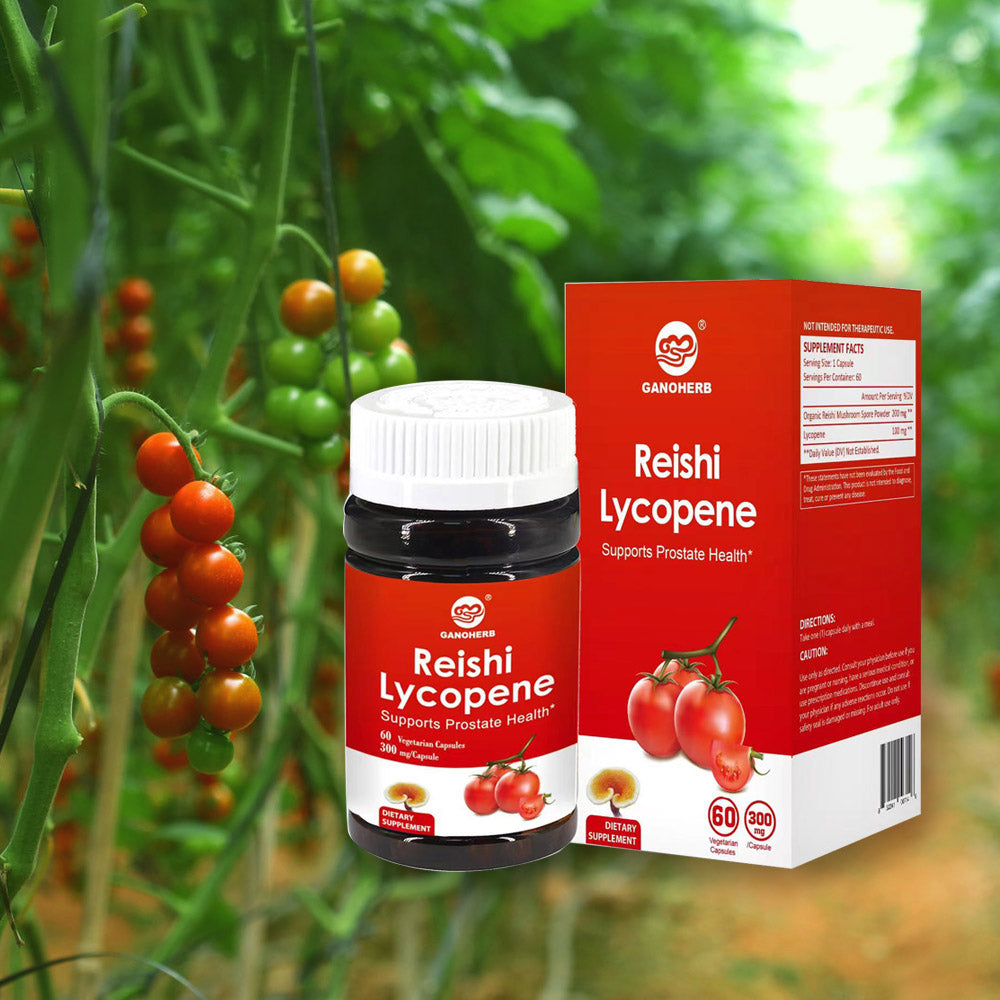


Ganoderma Mushroom Capsules: A Deep Dive into Quality, Sourcing, and Daily Use
In the expanding world of natural dietary additions, fungi have secured a prominent position. While culinary mushrooms like shiitake and portobello grace dinner plates, another category of fungi is sought strictly for supplementation. At the forefront of this movement is the red mushroom known scientifically as Ganoderma lucidum. While traditional preparation involved hours of boiling tough, woody slices to create a bitter tea, modern consumers largely prefer the convenience of ganoderma mushroom capsules.
These supplements offer a way to incorporate the properties of this revered fungus into a modern lifestyle without the time-consuming preparation or the challenging flavor profile. This article examines the journey of the raw material from the log to the shelf, the technologies used in extraction, and how to identify value when selecting a product.

Understanding the Raw Material
To appreciate the contents of a ganoderma mushroom capsules bottle, one must first understand the fungus itself. Unlike soft, fleshy mushrooms used in cooking, Ganoderma lucidum—often called Reishi—is polypore. It is characterized by a hard, woody texture and a glossy, varnished appearance. The cap is kidney-shaped and typically boasts a striking reddish-brown hue.
Because of its tough, cork-like structure, this mushroom is indigestible in its raw form. Humans lack the enzymes necessary to break down the chitinous cell walls of the fungus to access the compounds inside. Therefore, you cannot simply eat it like an apple. This physical limitation is the primary driver behind the supplement industry. Processing is not just a convenience; it is a necessity to make the biological compounds bioavailable.
The Extraction Technology
The difference between a low-quality product and a premium one often lies in the extraction method. When you swallow a ganoderma mushroom capsules, you are usually ingesting one of two things: a simple ground powder or a concentrated extract.
Simple ground powder is merely the dried mushroom pulverized into dust. While this contains all the raw material, it is difficult for the body to utilize. The premium standard in the industry is the dual-extraction method. This involves two distinct steps.
First, the mushroom undergoes a hot water extraction. This process is similar to brewing a very strong tea. It is effective at pulling out water-soluble compounds, primarily polysaccharides known as beta-glucans.
Second, the material undergoes an alcohol extraction (ethanol). This step is crucial because many of the unique compounds in Ganoderma, specifically triterpenes, are not water-soluble. They only release in alcohol. By combining these two liquids and then evaporating the moisture, manufacturers create a potent, concentrated powder that is then encapsulated.
The Importance of Triterpenes
When reading the label of ganoderma mushroom capsules, educated consumers look for specific chemical markers. Triterpenes are a class of chemical compounds that give the mushroom its intensely bitter taste. In fact, bitterness is often a sign of quality in this specific fungus.
These compounds are chemically similar to steroid hormones found in nature. In high-quality supplements, the label may specify the percentage of triterpenes. A higher percentage generally indicates that the manufacturer used the fruit body of the mushroom and employed proper alcohol extraction methods. If a product claims to be tasteless, it may lack these essential lipid-soluble components.
Fruiting Body vs. Mycelium
A significant debate exists in the commercial production of these supplements. This concerns which part of the fungal organism is used.
The fruiting body is the mushroom cap and stem that we see growing above ground (or on the log). This part is traditionally used and is rich in beta-glucans and triterpenes.
The mycelium is the root system of the fungus, a web of white filaments that exists underground or inside the wood. In mass production, mycelium is often cultivated on grain (like rice or oats) in a laboratory setting.
The issue arises when the final product includes the grain on which the mycelium developed. Supplements made from mycelium on grain can have very high starch content and low fungal compound content. When choosing ganoderma mushroom capsules, looking for 100% fruiting body on the label is a common strategy for those seeking a product that aligns with traditional usage rather than filler-heavy alternatives.
The Role of Spores
Another variant found on the market is the spore powder capsule. Spores are the microscopic reproductive units released by the mushroom at maturity. They are powdery and settle on the cap of the fungus.
These spores are rich in lipids and triterpenes. However, like the mushroom itself, spores have a double-walled shell that is extremely hard. To make the nutrients accessible, the spores must undergo a mechanical process called shell-breaking or cracking.
Supplements containing cracked-shell spores are often priced higher due to the extra processing required. They are highly regarded for their potency. If a capsule contains spores that are not cracked, they will likely pass through the digestive system unchanged.
Flavor Profile and Palatability
One of the main reasons ganoderma mushroom capsules dominate the market over loose powders is the flavor. Ganoderma lucidum is notoriously bitter. In traditional contexts, the tea would be brewed for hours and consumed quickly, often with a grimace.
For the modern consumer, this bitterness can be a deterrent to consistency. A softgel or vegetable capsule masks the flavor entirely. This allows individuals to include the supplement in their morning or evening regimen without needing to mask the taste with honey, ginger, or other strong flavors.
However, if you are curious about the quality of your purchase, you can open a capsule and taste a small amount of the powder. A complete lack of bitterness might indicate a high starch content or a lack of triterpenes. A rich, earthy, bitter taste is generally a positive sign of authenticity.
Consistency and Dosage
Incorporating ganoderma mushroom capsules into a routine is about consistency. Most natural compounds do not work like caffeine, which provides an immediate, noticeable sensation. Instead, they function by accumulating in the system over time.
Dosage can vary significantly between brands based on the concentration ratio. A 1:1 extract means one pound of mushrooms made one pound of powder. A 10:1 extract means ten pounds of mushrooms were concentrated into one pound of powder.
Therefore, a 500mg capsule of a 10:1 extract is significantly more potent than a 500mg capsule of raw powder. Consumers must calculate the price per gram of equivalent mushroom rather than just the price per bottle to determine the true economic value.
Identifying Fillers and Additives
The supplement industry is not without its tricks. Because the powder is naturally brown, it is easy to blend it with other brown powders. Some lower-tier manufacturers may use cocoa powder, grain starch, or other fillers to bulk up the product.
To ensure purity in ganoderma mushroom capsules, check the Other Ingredients list. Ideally, it should only list the capsule material (gelatin or vegetable cellulose). If you see magnesium stearate, silicon dioxide, or rice flour, these are flow agents or fillers. While they are safe for consumption, they dilute the active product.
A simple home test for starch involves dropping iodine onto the powder. Since mushrooms do not contain starch (they contain glycogen), the iodine should not turn black. If the powder turns black/blue upon contact with iodine, it indicates the presence of starch fillers like rice or oats.
Vegan and Dietary Considerations
For those adhering to specific dietary frameworks, the capsule shell is the primary variable.
Vegan/Vegetarian: Look for Veggie Caps, usually made from hypromellose (derived from pine or poplar trees) or pullulan (fermented from tapioca). Avoid standard gelatin, which is bovine or porcine.
Keto/Paleo: The mushroom powder itself is low in carbohydrates and fits these diets well. However, mycelium-on-grain products may have a higher carbohydrate count due to the residual rice or oats.
Gluten-Free: While the mushroom is naturally gluten-free, cross-contamination is possible if the mycelium was raised on rye or wheat berries. Grain-free labeling is the safest bet for those with severe sensitivities.

Cost Factors and Market Value
Why does one bottle of ganoderma mushroom capsules cost $15 while another costs $60? The divergence comes down to three factors: Origin, Cultivation Method, and Extraction Ratio.
Origin: Semi-wild or log-cultivated mushrooms (Duanwood) are considered superior to those grown in plastic bags (sawdust blocks). Log cultivation mimics nature, usually resulting in a denser nutrient profile.
Time: Mushrooms allowed to mature fully develop more complexity than those harvested early.
Testing: reputable brands invest heavily in third-party testing for heavy metals, pesticides, and microbial contaminants. This safety assurance adds to the retail cost but provides peace of mind.
Timing and Usage Protocols
There is no single correct time to take these supplements, but user patterns have emerged. Many users prefer to take ganoderma mushroom capsules in the evening. This usage aligns with the traditional view of the mushroom as a grounding substance, often associated with the winding down of the day.
Others prefer to split the dosage, taking one capsule in the morning and one at night to maintain a steady level of the compounds in their system. Taking the capsules with a source of Vitamin C (like orange juice) is a common practice. Some theories suggest that Vitamin C helps the body absorb the heavy polysaccharides found in the fungal cell walls.
Safety and Interactions
While generally considered a safe food supplement, Ganoderma lucidum is bioactive. It can influence how the body handles blood clotting. Therefore, individuals preparing for surgery or those taking blood-thinning supplements should consult a professional before adding this to their regimen.
Digestive upset is a rare but possible occurrence. This is often caused by the fibrous nature of the powder if it is not a concentrated extract. Drinking plenty of water when swallowing the ganoderma mushroom capsules can help mitigate this.
Some users report a dry mouth or throat after consistent use. This is a known historical side effect and is usually managed by staying hydrated.
The transition of the Red Mushroom from the misty mountains of ancient folklore to the sterile shelves of modern pharmacies is a testament to its enduring value. Ganoderma mushroom capsules represent a bridge between traditional wisdom and modern convenience.
By understanding the difference between mycelium and fruit body, spores and extracts, and recognizing the importance of triterpenes, consumers can navigate the market with confidence. It is not merely about buying a mushroom; it is about investing in a carefully manufactured product that preserves the integrity of nature's complex chemistry. Whether used for balancing a hectic lifestyle or simply as a nutritional staple, choosing the right capsule ensures that the rich history of this fungus is delivered effectively in every dose.
Frequently Asked Questions
Q1: What is the difference between Ganoderma capsules and Reishi capsules?
A1: There is no difference in the mushroom itself. Ganoderma lucidum is the scientific name. Reishi is the Japanese name, and Lingzhi is the Chinese name. Supplements labeled with any of these names refer to the same red mushroom species.
Q2: Can I open the capsule and mix the powder into my coffee?
A2: Yes, you can. However, be prepared for the taste. Authentic Ganoderma extract is very bitter. Mixing it with coffee can mask some of the flavor, but the bitterness may still be noticeable. It will not dissolve perfectly like sugar; it may leave a sediment at the bottom of the cup.
Q3: How long does a bottle of ganoderma mushroom capsules last?
A3: This depends on the dosage instructions and the count per bottle. A standard bottle contains 60 capsules. If the recommended use is two capsules per day, the bottle will last one month. Unopened, they typically have a shelf life of two years if stored in a cool, dry place.
Q4: Should I take these supplements with food or on an empty stomach?
A4: Most experts recommend taking the capsules with a light meal. This can help prevent any potential stomach upset. Additionally, having a small amount of fat or carbohydrates in the system can assist in the absorption of the various compounds found in the mushroom.
Q5: How do I know if the capsules are high quality?
A5: Look for a label that specifies Dual Extract or lists the percentage of Beta-glucans and Triterpenes. Avoid products that list mycelium or grain as the primary ingredients. A dark, rich color of the powder inside the capsule is also a visual indicator of a fruiting body extract.