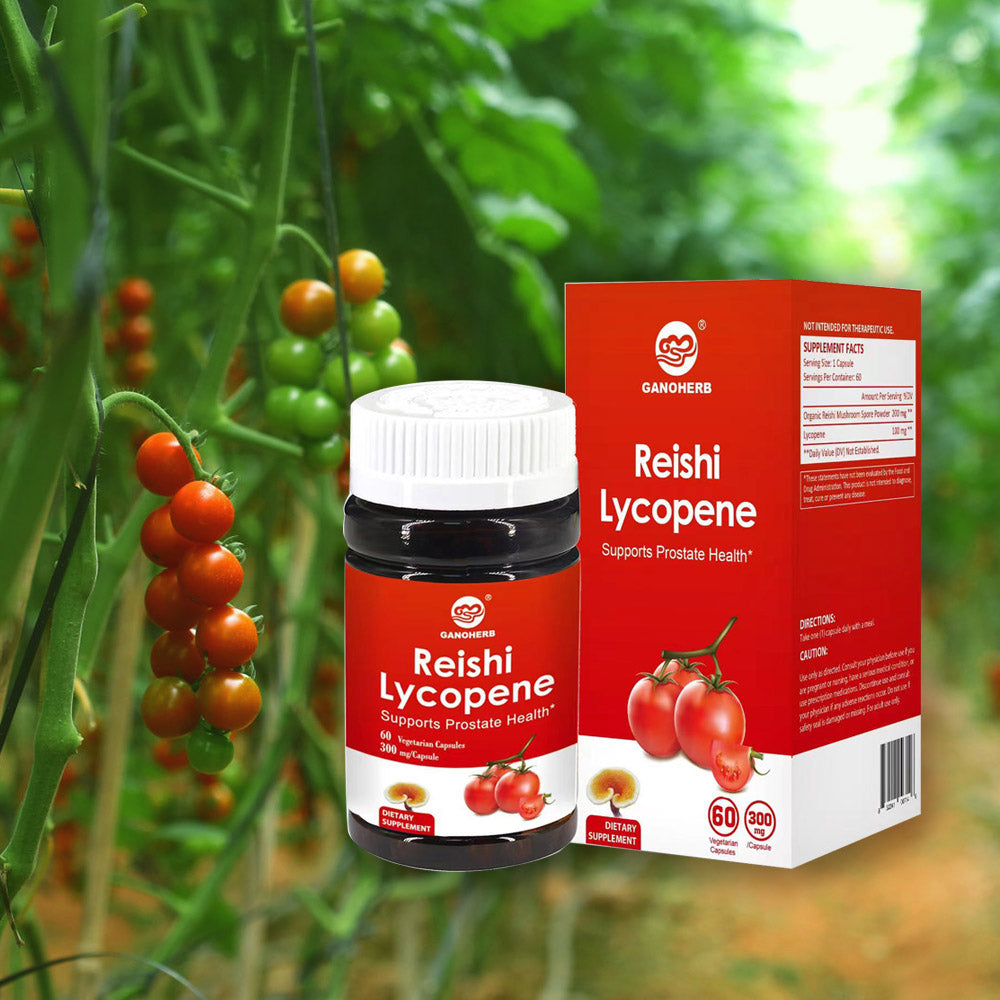


Choosing Quality: A Deep Dive into Organic Reishi Capsules
The world of botanical supplements has expanded rapidly in recen

t years. Walk down any aisle in a health food store, or scroll through online marketplaces, and you will see an array of jars and bottles. Among the most popular items are mushroom products. specifically, organic reishi capsules.
For many consumers, the shift towards functional mushrooms is about connecting with nature’s complexity. However, unlike culinary mushrooms that we sauté for dinner, Reishi is different. It is woody, tough, and intensely bitter. You cannot simply slice it up and put it on a pizza.
This is where the capsule form shines. It offers a bridge between the raw, unusable natural material and the modern desire for convenience. But not all capsules are created equal. Understanding what goes into a bottle of organic reishi capsules requires a look at farming, processing, and the philosophy of ingredients.
The Importance of the Organic Label
When buying vegetables, some people skip the organic aisle to save money. However, with mushrooms, the organic label carries significantly more weight. Fungi are porous. They act like sponges in their environment.
In nature, mushrooms absorb nutrients from the wood or soil they grow on. Unfortunately, they also absorb pollutants, heavy metals, and pesticides if those are present. If a mushroom is cultivated on a substrate that has been treated with harsh chemicals, those chemicals end up in the final product.
Choosing organic reishi capsules is essentially a quality control step. It ensures that the substrate—whether it is wood logs or grain—is free from synthetic fertilizers and prohibited pesticides. It provides a level of assurance that the product is clean, which is paramount when consuming something in concentrated form.
Wood-Grown vs. Grain-Grown
One of the biggest debates in the mushroom community revolves around how the fungi are cultivated. This is a crucial detail to look for on the label of your organic reishi capsules.
Traditionally, Reishi grows on hardwoods. It decomposes the wood, extracting complex compounds from the timber. High-end producers mimic this by cultivating the mushrooms on natural wood logs buried in the ground or placed in shade houses. This method yields a fruiting body—the actual mushroom cap—that is dense and rich in phytochemicals.
On the other hand, many mass-market products use a method involving grain. They grow the mushroom root system, known as mycelium, on rice or oats. Often, the final product contains a large amount of this starchy grain substrate. While cheaper to produce, it results in a product that is different in composition from the traditional wood-grown variety. Discerning buyers usually look for capsules that specify fruiting body to ensure they are getting the mushroom itself, not just the starch it grew on.
The Extraction Process
You cannot simply grind up a dried Reishi mushroom, put it in a capsule, and expect it to be useful. The cell walls of mushrooms are made of a tough substance called chitin. Humans do not have the enzymes to digest chitin effectively.
To make the compounds within the mushroom bioavailable, they must be extracted. This is usually done through hot water extraction, similar to making a very strong tea. This breaks down the chitin.
Some advanced organic reishi capsules contain a dual extract. This means the producer used both hot water and alcohol. Certain compounds in Reishi are water-soluble, while others are only soluble in ethanol. A dual extract ensures that the full spectrum of the mushroom's profile is captured in the powder before it is encapsulated.
The Convenience Factor
The primary reason people choose organic reishi capsules over powders or raw slices is convenience. Preparing Reishi traditionally is a labor of love. It involves boiling the woody slices for one to two hours to create a dark, bitter tea.
In our modern, fast-paced lives, few people have the time or patience for a daily two-hour brewing ritual. Capsules remove the friction. They allow for precise dosing without the need for scales or measuring spoons.
For travelers, capsules are indispensable. Carrying a bag of loose powder can be messy, and TSA agents might look askance at a bag of brown dust. A labeled bottle of capsules is easy to pack, spill-proof, and discreet, allowing you to maintain your routine whether you are in a hotel room or at the office.
Bypassing the Bitterness
We touched on this earlier, but it deserves its own section. Reishi is incredibly bitter. In fact, in some cultures, the quality of the Reishi is judged by the intensity of its bitterness.
While some purists enjoy the challenge of the flavor, associating the bitterness with potency, most palates find it difficult to tolerate daily. It can ruin the flavor of a smoothie or coffee if added as a loose powder.
Organic reishi capsules encapsulate this flavor—literally. The shell, usually made from vegetable cellulose or gelatin, creates a barrier. You get the product into your system without ever having to engage with the strong, earthy, and metallic taste that defines the raw mushroom.
Vegan vs. Gelatin Shells
When shopping for organic reishi capsules, the content of the powder is the main event, but the delivery mechanism matters too. The capsule shell itself comes in two main varieties.
Standard capsules are often made from gelatin, which is derived from animal by-products (usually bovine or porcine). For vegans or those with dietary restrictions, this is a no-go.
High-quality brands typically use vegetable cellulose (often listed as HPMC or pullulan) for their shells. These are plant-based and dissolve easily in the stomach. If a product is labeled Certified Organic, the capsule shell itself must also meet specific standards, usually ensuring it is free from synthetic dyes or preservatives.
Understanding the Visuals
If you were to break open one of your organic reishi capsules, what should you see? The visual appearance of the powder can tell you a lot about the quality.
A high-quality extract from the fruiting body should be a deep, rich brown. It should look like dark cocoa powder or fine espresso grounds. It may have a slightly sticky texture due to the oil content.
If the powder is light beige or pale brown, it might indicate a high grain content. Mycelium grown on rice often results in a lighter-colored powder because the white starch of the rice is ground up along with the fungal roots. While color isn't the only indicator, a dark, rich hue is generally a good sign of a log-grown extract.
Cost and Value Analysis
There is no getting around it: organic reishi capsules are generally more expensive than buying loose powder. You are paying for the manufacturing process of encapsulation and the packaging.
However, value is subjective. If you buy a cheaper bag of loose powder but never use it because you hate the taste or the mess, it has no value. The best supplement is the one you actually take.
When calculating the cost, look at the serving size. Some brands require you to take four capsules to get one gram of extract, while others are more concentrated. Divide the price by the total grams of actual mushroom extract to get a true comparison between brands.
Sustainability and Packaging
The organic movement often goes hand-in-hand with sustainability. Consumers who care about pesticide-free ingredients usually care about the planet too.
Many producers of organic reishi capsules are moving away from single-use plastics. You can now find brands that use amber glass jars, which not only look better on the counter but also protect the capsules from UV light. Some even offer compostable refill pouches to minimize waste.
Furthermore, log-cultivation is often considered more sustainable than large-scale indoor factory farming, as it utilizes natural forestry by-products and requires less climate control energy than indoor grow rooms.
Integrating into Daily Rituals
The beauty of capsules lies in their versatility. They can be taken at any time of day. However, many users prefer to integrate them into specific parts of their routine to ensure consistency.
Some prefer the evening. Reishi has a grounding reputation in traditional contexts, making it a popular addition to a nighttime wind-down routine. Taking the capsules with a glass of water after dinner signals the end of the active part of the day.
Others pair organic reishi capsules with their morning coffee. Since they don't have to taste it, it doesn't interfere with their enjoyment of their morning roast. The key is habit stacking—attaching the new habit to an existing one.

Storage and Shelf Life
One advantage of organic reishi capsules over raw dried mushrooms is shelf life and stability. Raw dried mushrooms can attract moisture and mold if not stored perfectly.
The capsule shell protects the hygroscopic powder inside from humidity. However, proper storage is still essential. Keep the bottle in a cool, dark place, away from direct sunlight. A bathroom cabinet is actually a poor choice due to the humidity from showers. A kitchen pantry or a bedside drawer is preferable.
Most capsules have a shelf life of two years from the manufacturing date. Always check the expiration date, as over time, the potency of the botanical compounds can degrade, even if the capsule looks fine.
The Filler Issue
In the supplement industry, flow agents are often used to make machines run smoother. Ingredients like magnesium stearate or silicon dioxide prevent the powder from clumping during the encapsulation process.
While these are generally recognized as safe, purists prefer organic reishi capsules that are free from flow agents. Achieving this requires slower manufacturing speeds and more care, which can drive up the price. If you want a 100% pure product, look for labels that say no fillers, no binders, or no flow agents.
The Sensory Experience of the Bottle
Even though you don't taste the powder, there is a sensory aspect to opening a fresh bottle of organic reishi capsules. When you break the seal, you should be greeted by a distinct aroma.
It should smell earthy, woody, and slightly savory, perhaps like dark chocolate or roasted nuts. If it smells like nothing, or smells faintly of hay or flour, it might be a sign of a weak extract or high filler content. That rich, deep scent is the olfactory signature of the terpenes and triterpenes present in the mushroom.
Making the Choice
Ultimately, the market for organic reishi capsules is crowded. It requires a bit of detective work to find the best product. It is about reading the fine print.
Ignore the flashy marketing on the front of the bottle. Turn it around. Look for fruiting body, log-grown, hot water extract, and the organic certification logo. These are the markers of a product that respects the tradition of the mushroom while utilizing modern convenience.
By choosing a high-quality organic capsule, you are making an investment in a cleaner, more potent product. You are choosing to avoid the pesticides and the fillers, focusing instead on the pure, unadulterated essence of the fungi.
Common Questions
Q1: Can I open organic reishi capsules and pour the powder into tea?
A1: Yes, you absolutely can. If you want to add the extract to a smoothie or hot water, you can pull the capsule halves apart. Just be warned that the taste will be quite bitter and earthy, as the capsule shell was masking that flavor.
Q2: Why are some organic reishi capsules darker than others?
A2: The color usually indicates the part of the mushroom used and the extraction method. Dark brown powder typically means a hot-water extract of the fruiting body (the cap). Lighter, beige powder often indicates the presence of mycelium grown on grain, which includes ground-up rice or oats.
Q3: Is it better to take organic reishi capsules with food or on an empty stomach?
A3: There is no hard rule, but many people prefer taking them with food. This can help with absorption and prevents any potential stomach upset that can occur with concentrated extracts. However, they are generally safe to consume simply with a glass of water.
Q4: How do I know if the capsules are truly organic?
A4: Look for a certification logo on the bottle, such as the USDA Organic seal or the EU Organic leaf. These logos indicate that the manufacturer has gone through a rigorous third-party audit to verify that no prohibited pesticides or synthetic fertilizers were used in the farming process.
Q5: Do organic reishi capsules contain caffeine?
A5: No, Reishi mushrooms are naturally caffeine-free. Unlike green tea or coffee extracts, pure organic reishi capsules will not provide a caffeine stimulant effect, making them suitable for consumption at any time of day, including the evening.