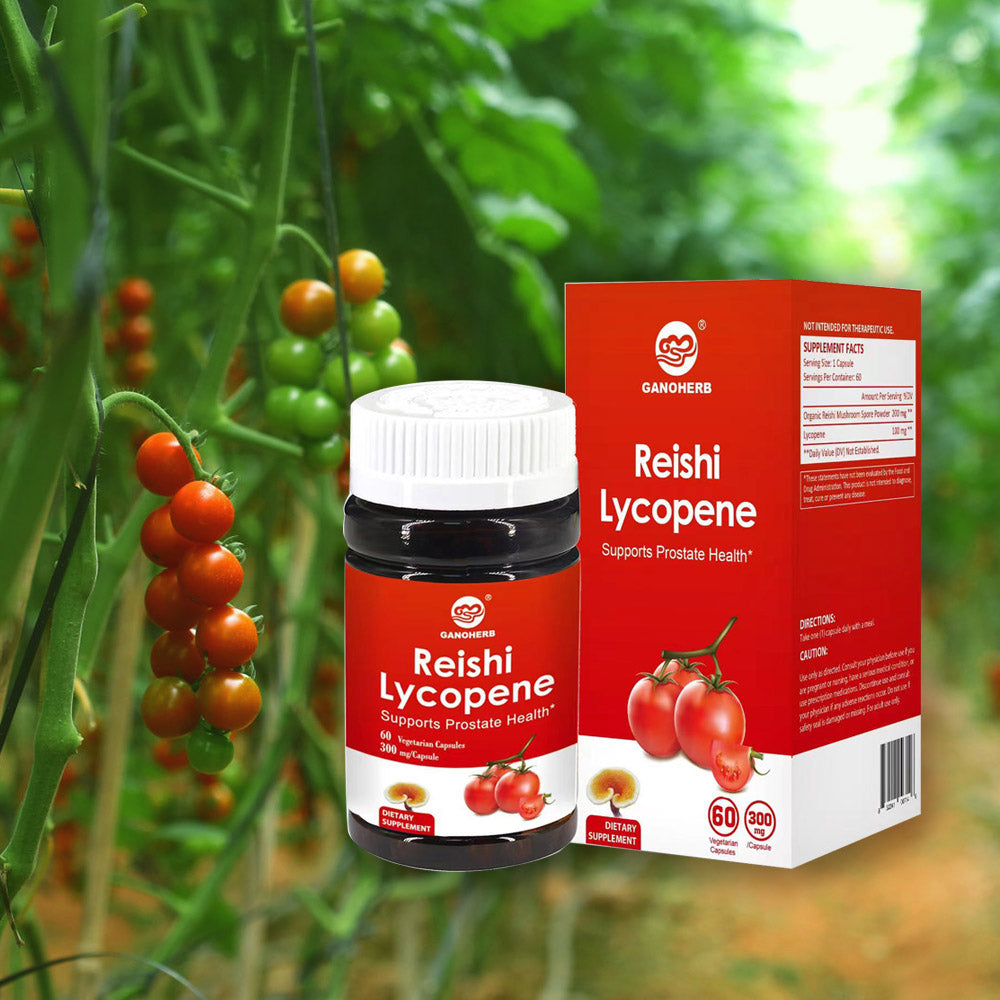


8 Key Factors When Choosing Capsules of Lycopene for Your Routine
The vibrant red hue of a ripe tomato is more than just a visual cue for freshness. It represents the presence of a powerful carotenoid known as lycopene. While this compound is abundant in nature, modern lifestyles often make it difficult to consume adequate amounts through food alone.
This challenge has led to the rise of capsules of lycopene as a popular addition to daily dietary regimens. These supplements offer a concentrated and convenient method to integrate this specific pigment into a nutritional plan.
Unlike water-soluble vitamins that leave the body quickly, lycopene is a fat-soluble compound. This characteristic dictates how it is manufactured and how it should be consumed for optimal utility.
This guide provides a comprehensive look at these supplements. We will explore the sourcing, extraction technologies, and practical considerations necessary for selecting a high-quality product.

1. The Botanical Source: Beyond the Tomato
While tomatoes are the most famous source, they are not the only plant containing this pigment. Capsules of lycopene can be derived from various natural sources, though Solanum lycopersicum (the tomato) remains the industry standard.
Watermelon, pink grapefruit, and papaya also contain this carotenoid. However, the concentration in tomatoes, particularly in the skin, makes them the most efficient source for extraction.
It is important to note that raw tomatoes are not the most efficient delivery system. The compound is tightly bound to the plant fiber.
Processing the fruit—cooking or extracting it—breaks down the cell matrix. This release mechanism is why supplements often provide higher bioavailability than a simple raw salad.
Tomato Skins: The highest concentration is found here.
Gac Fruit: A Southeast Asian fruit with immense lycopene density.
Pink Guava: Another tropical source used in some blends.
2. Extraction Methods: Solvents vs. CO2
The quality of capsules of lycopene is heavily influenced by how the pigment is removed from the plant material. There are two primary methods used in commercial production.
Chemical Solvent Extraction:
This method typically uses hexane or ethyl acetate to wash the pigment from the dried tomato pulp. It is cost-effective and produces high yields.
However, trace amounts of solvents can remain. For consumers seeking a purely natural profile, this method is often less desirable.
Supercritical CO2 Extraction:
This is the premium standard. It uses carbon dioxide under high pressure to act as a solvent. When the pressure is released, the CO2 evaporates completely.
Purity: Leaves no chemical residue.
Safety: Uses non-toxic elements.
Stability: Performed at lower temperatures to preserve the molecule.
When shopping, look for Solvent-Free or CO2 Extracted on the label. This indicates a cleaner manufacturing process.
3. Natural vs. Synthetic Formulation
Not all capsules of lycopene contain ingredients derived from plants. The compound can be synthesized in a laboratory setting using petrochemicals.
Synthetic lycopene is chemically identical in terms of molecular formula. However, the spatial arrangement of the atoms (isomers) can differ.
Natural tomato extract contains a mix of isomers, primarily the all-trans form, which converts to cis-isomers in the body. It also includes other phytonutrients like tocopherols and phytosterols.
These additional compounds work in synergy. A synthetic isolate lacks this entourage of supporting nutrients found in the whole fruit extract.
Most experts in the botanical field recommend choosing Natural Tomato Lycopene over Synthetic Lycopene to ensure you are getting the full spectrum of the plant's profile.
4. The Necessity of Oil Carriers
Lycopene is lipophilic, meaning it loves fat. It is hydrophobic, meaning it repels water. This chemical reality dictates the form of the supplement.
You will rarely find high-quality lycopene in a dry, pressed tablet. It needs a lipid carrier to be absorbed by the digestive system.
Therefore, capsules of lycopene are almost exclusively softgels. These softgels contain the tomato extract suspended in a carrier oil.
Common carrier oils include:
Extra Virgin Olive Oil: Offers its own polyphenol profile.
Soybean Oil: A common, inexpensive carrier.
Sunflower Oil: A neutral option often used in non-GMO products.
If you encounter a dry powder capsule, check the label to see if it utilizes a specialized beadlet technology. Otherwise, absorption may be compromised.
5. Dosage and Concentration Analysis
Determining the correct serving size can be confusing. Supplements vary widely in their potency.
Standard dosages for capsules of lycopene typically range from 10 mg to 20 mg per serving. Some high potency versions offer up to 50 mg.
It is crucial to read the Supplement Facts panel carefully.
Check the amount of Tomato Extract.
Check the standardized percentage of lycopene.
For example, a product might list 50mg Tomato Extract (std. to 10% Lycopene). This means the capsule only contains 5 mg of actual lycopene.
Always verify the net weight of the active pigment, not just the total weight of the extract paste.
6. Softgel Materials: Gelatin vs. Plant-Based
The outer shell of the capsule is an important consideration, particularly for those with dietary restrictions.
Standard softgels are made from gelatin. Gelatin is an animal by-product derived from bovine (cow) or porcine (pig) sources. It is flexible and protects the oil well.
For vegetarians and vegans, this creates a barrier. However, the industry has responded with plant-based alternatives.
Vegetarian Softgels:
These are typically made from modified starch (tapioca) or carrageenan (seaweed). They provide the same protection against oxidation without animal ingredients.
If the label of your capsules of lycopene does not explicitly say Vegetarian or Vegan, assume it contains gelatin.
7. Understanding Tomato Oleoresin
When reading the ingredient list, you may encounter the term Tomato Oleoresin. This is the technical name for the oily extract obtained from the fruit.
Oleoresin is a semi-solid paste. It contains the concentrated flavor, aroma, and pigments of the tomato.
This substance is naturally rich in fatty acids from the tomato seeds. This natural oil content helps stabilize the lycopene molecule.
High-quality oleoresin is dark red and viscous. It is the core ingredient that is suspended in the carrier oil within the capsule.
The presence of oleoresin indicates a less processed, more whole food approach compared to crystalline isolates.
8. Oxidation and Storage Stability
Carotenoids are highly sensitive to their environment. Light, heat, and oxygen are the primary enemies of capsules of lycopene.
The molecule contains a long chain of conjugated double bonds. This structure is what absorbs light and creates the red color, but it also makes it prone to breaking down.
Light Protection:
The bottle should be opaque or dark amber. Clear bottles allow UV light to penetrate, which can degrade the pigment over time.
Temperature:
Store the supplements in a cool, dry place. A pantry or cupboard is ideal. Do not store them on a windowsill or in a hot car.
Air Exposure:
Softgels are hermetically sealed, which offers excellent protection against oxygen. This gives them a significant advantage over liquid oils in open bottles.
9. Synergy with Other Botanicals
Many consumers take capsules of lycopene as part of a broader supplement stack. It pairs well with other lipid-soluble botanicals.
Saw Palmetto:
This is a fruit extract often taken by men. You will frequently find formulas combining Saw Palmetto berries with tomato lycopene.
Pumpkin Seed Oil:
Rich in zinc and essential fatty acids, pumpkin seed oil is often used as the carrier oil for lycopene supplements.
Astaxanthin:
Another powerful carotenoid (red pigment from algae). Taking a spectrum of carotenoids can mimic the diversity found in a diet rich in colorful vegetables.
When combining supplements, it is wise to introduce them one at a time to monitor your body's response.

10. Dietary Integration
Taking a supplement should not replace whole foods. Capsules of lycopene are intended to bridge the gap between dietary intake and optimal levels.
The best time to take these capsules is during a meal. The presence of dietary fat triggers the release of bile.
Bile is necessary to emulsify fats in the small intestine. Since lycopene is fat-soluble, this process is critical for absorption.
Taking the capsule with a meal containing avocado, nuts, or olive oil will maximize the uptake of the pigment.
Taking it on an empty stomach with only water is inefficient and may lead to poor absorption.
11. The Phenomenon of Lyco-penemia
It is possible to have too much of a good thing. Consuming excessive amounts of carotenoids can lead to a harmless condition called Lycopenemia.
This condition manifests as an orange or red discoloration of the skin. It is caused by the deposition of the pigment in the subcutaneous fat layers.
It is most commonly seen on the palms of the hands and the soles of the feet.
This is reversible. Simply lowering the dosage of capsules of lycopene or reducing the intake of red fruits will allow the skin to return to its normal color over a few weeks.
Sticking to the recommended dosage on the bottle prevents this cosmetic issue.
12. Label Transparency and Testing
In the unregulated landscape of supplements, trust is earned through transparency.
Reputable brands will utilize third-party testing. This involves sending the product to an independent laboratory to verify the contents.
The lab checks for:
Identity: Is it actually tomato extract?
Potency: Does it match the milligram count on the label?
Purity: Is it free from heavy metals and pesticides?
Look for seals of approval or a mention of Lab Tested on the packaging.
Because tomatoes are heavily sprayed crops in conventional farming, looking for non-GMO or organic sourcing is a valid quality criterion.
13. Cost vs. Value
The price of capsules of lycopene varies significantly. A bottle can cost anywhere from $10 to $40.
Cheaper options often use synthetic lycopene or solvent-extracted Chinese tomatoes. They may use cheap soybean oil as a carrier.
Premium options use proprietary tomato complexes (often branded ingredients). They use cold-pressed olive oil and CO2 extraction.
To calculate value, look at the cost per milligram of lycopene, not just the cost per capsule.
(Price / [Capsules x mg per capsule]) = Price per mg.
This math often reveals that a mid-priced bottle offers better value than the cheapest option due to higher concentration.
14. Summary of Selection Criteria
To summarize, choosing the right supplement involves a checklist of quality indicators.
Source: Natural tomato extract, not synthetic.
Extraction: Solvent-free or CO2 extracted.
Carrier: Quality oil like olive or pumpkin seed.
Dosage: 10-20mg of active lycopene (not just extract weight).
Packaging: Dark, opaque bottle to prevent light damage.
By paying attention to these details, you ensure that the capsules of lycopene you select are potent, stable, and bioavailable.
This red pigment is a testament to the power of plant chemistry. Integrating it wisely into your routine allows you to capture the essence of the sun-ripened fruit in a convenient, daily form.
Frequently Asked Questions
Q1: What is the best time of day to take capsules of lycopene?
A1: The specific hour of the day matters less than the context of your meal. You should take the capsule with your largest meal of the day, or any meal that contains dietary fat (like oils, dairy, or meat). The fat is essential for dissolving the lycopene so your digestive system can absorb it. Taking it with breakfast is common, provided breakfast isn't just black coffee.
Q2: Can I get enough lycopene just by eating raw tomatoes?
A2: It is difficult. The lycopene in raw tomatoes is bound to the plant's cell walls, making it hard for the body to extract. Cooking tomatoes (like in sauce or paste) breaks these walls and releases the pigment. Capsules of lycopene provide a pre-extracted, concentrated form that is often more bioavailable than raw fruit, though cooked tomato products are also excellent sources.
Q3: Will taking these capsules turn my skin orange?
A3: It is possible, but rare at standard dosages. This condition is called lycopenemia. It typically only happens if you consume very large amounts of lycopene (supplements plus heavy consumption of tomato juice) over a long period. If you stick to the recommended dosage (usually 10-20mg per day), this is unlikely to occur. If it does, simply pausing the supplement allows the skin to fade back to normal.
Q4: Are lycopene capsules suitable for vegans?
A4: Not always. While the lycopene extract itself is plant-based, the softgel capsule is traditionally made from gelatin (animal-derived). Vegans must specifically look for products labeled Vegetarian Softgel, Vegan, or Plant-Based Shell, which use materials like tapioca starch or carrageenan instead of gelatin.
Q5: Can I pierce the capsule and use the oil for cooking?
A5: No, this is not recommended. The oil inside capsules of lycopene is formulated for stability within the shell, not for high heat. Heating the oil in a pan would oxidize the lycopene rapidly, destroying its beneficial properties. It is best to swallow the capsule whole or squeeze the contents into a cold smoothie or salad dressing if you cannot swallow pills.