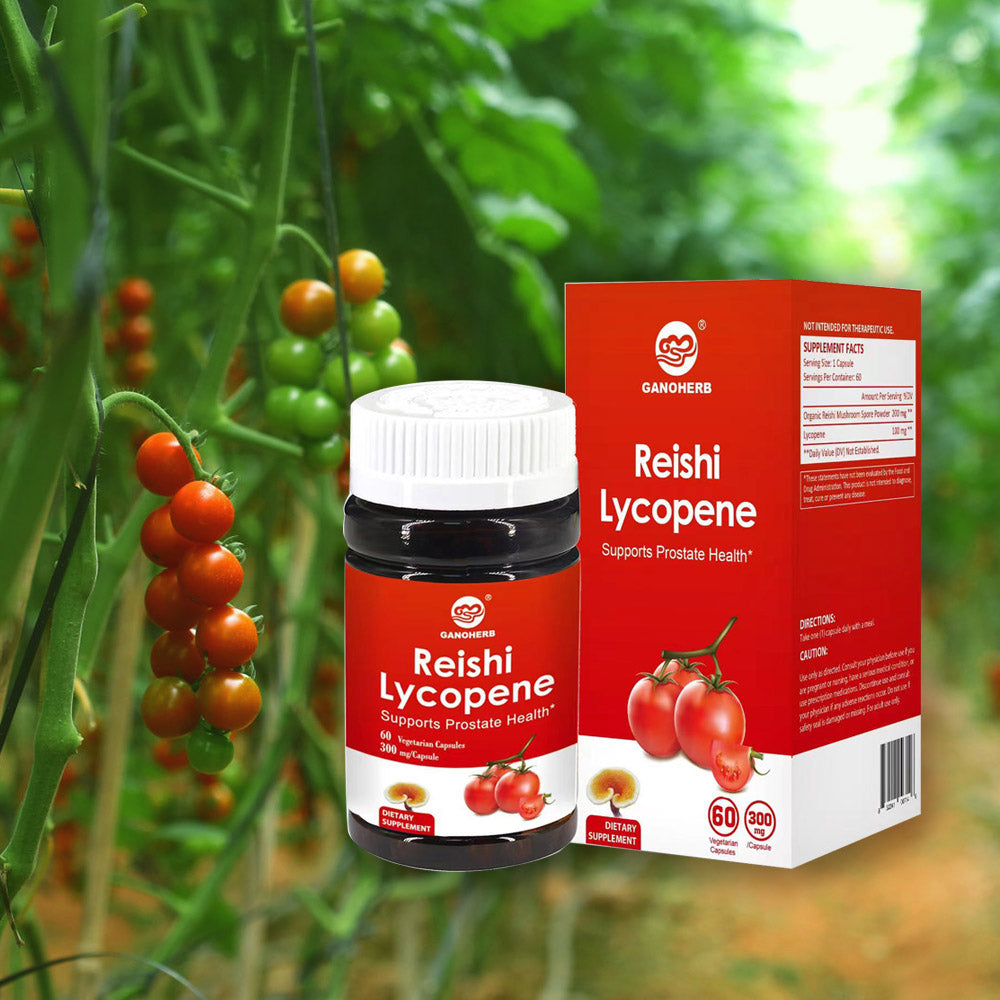


7 Things You Should Know About Capsules of Lycopene
In the world of dietary supplements, it seems there's a capsule for everything. Walk down the aisle of any health store, and you'll see shelves lined with options. Among them, you'll almost certainly find capsules of lycopene. These deep red supplements have garnered significant attention, moving beyond the realm of nutritionists and into the mainstream. But what exactly are you getting inside that gelatin or vegetable shell? As someone who has spent years observing supplement trends, I've noticed that many people purchase capsules of lycopene based on a general recommendation without understanding the full picture. This article isn't about making grand claims; it's about providing a clear, factual overview. We'll explore seven key areas: the origin story of lycopene in supplement form, how these capsules are made, their general composition, potential limitations, crucial selection factors, a realistic look at their cost, and who might find them most suitable. Let's pull back the curtain on capsules of lycopene.

The Origin of Lycopene in Supplement Form
Lycopene itself isn't new. It's the vibrant red compound that gives tomatoes, watermelon, and pink grapefruit their characteristic color. For centuries, humans have consumed lycopene through their diet. The idea of concentrating it into capsules of lycopene, however, is a relatively modern innovation. The development was driven by advancements in extraction technology and a growing interest in targeted dietary intake. The journey from food to supplement began with recognizing that lycopene is a highly stable molecule and that its concentration in foods can vary. The creation of capsules of lycopene offered a way to provide a consistent and measured amount, independent of dietary fluctuations or seasonal availability of lycopene-rich produce. This shift marked a significant turn, transforming a dietary component into a portable, standardized product.
Inside the Factory: How Capsules of Lycopene Are Produced
The process of creating capsules of lycopene is a fascinating blend of agriculture and precision engineering. It doesn't start in a lab, but in fields. Tomatoes, particularly certain varieties with high lycopene concentration, are the primary source. The journey from tomato to capsule involves a sophisticated extraction process. First, the tomatoes are harvested and processed into a concentrate. Using methods like supercritical CO2 extraction or solvent extraction, the pure lycopene is isolated from the tomato pulp, skins, and seeds. This results in a potent, oily lycopene concentrate. This concentrate is then often blended with a carrier oil, like sunflower or olive oil, to enhance its stability and bioavailability within the digestive system. Finally, this mixture is carefully encapsulated. The machinery precisely doses the liquid fill into two-piece gelatin or vegetarian casings, which are then sealed. Every batch is tested to ensure the potency and purity that you expect from your capsules of lycopene.
Breaking Down the Composition of Lycopene Capsules
When you hold a bottle of capsules of lycopene, it's helpful to understand what's inside beyond just lycopene. The primary active component is, of course, the lycopene extract. However, lycopene is fat-soluble, meaning it doesn't dissolve in water. Because of this, high-quality capsules of lycopene are always suspended in some form of oil. This is not a filler; it's a crucial component that aids in the body's utilization of the lycopene. The capsule shell itself is another part of the composition. It can be made from bovine or porcine gelatin, or from plant-based materials like pullulan for those following vegetarian or vegan lifestyles. Some formulations might include a small amount of vitamin E (often listed as mixed tocopherols) or rosemary extract, which act as natural preservatives to protect the delicate lycopene from oxidation. Understanding this composition demystifies the supplement and highlights why certain ingredients are necessary.
Considering the Limitations of Lycopene Capsules
While capsules of lycopene offer clear advantages in terms of consistency and convenience, they are not without their potential drawbacks. One of the most common limitations is the cost. The intensive extraction and quality control processes make capsules of lycopene more expensive than simply eating a tomato. For some individuals, the capsules can cause mild gastrointestinal sensations, especially if taken without a meal containing some dietary fat. There's also the aspect of isolation. When you consume lycopene from whole foods, you're also getting a symphony of other vitamins, minerals, and phytonutrients that work together. Capsules of lycopene provide an isolated compound, missing this potential synergistic context. Finally, the quality can vary dramatically between brands, making consumer diligence essential. These limitations aren't meant to discourage use, but to foster a realistic and informed perspective.
5 Factors to Scrutinize Before Buying Lycopene Capsules
The market for capsules of lycopene is vast, and not all products are created equal. Making a smart purchase requires looking beyond the marketing. Here are five key factors to consider:
1. **Source and Purity:** Look for information on the source of the lycopene. Is it derived from non-GMO tomatoes? The label should indicate a high percentage of pure lycopene.
2. **Formulation:** Remember that lycopene needs fat for absorption. Check that the capsules of lycopene you choose are in an oil-based formulation, not a dry powder fill.
3. **Third-Party Testing:** This is the gold standard for quality assurance. Opt for brands that provide a Certificate of Analysis (CoA) from an independent lab, verifying the product's potency and purity, and confirming it is free from contaminants.
4. **Capsule Shell:** If you have dietary restrictions, check the capsule material. Gelatin is common, but vegetarian capsules are widely available for those who prefer them.
5. **Brand Reputation:** Invest time in researching the manufacturer. Established companies with a long history of producing high-quality supplements are generally a safer bet than unknown fly-by-night brands.

Assessing the Financial Aspect of Lycopene Capsules
Let's talk about value. Capsules of lycopene represent a recurring expense, so it's wise to evaluate their cost-effectiveness. The price can vary widely, from budget-friendly options to premium brands. To make a fair comparison, don't just look at the bottle price. Calculate the cost per serving. A more expensive bottle that contains a 3-month supply might offer better value than a cheaper, one-month supply. Next, consider what you're paying for. A product that is third-party tested, uses a high-quality oil base, and is transparent about its sourcing will understandably cost more. Are these quality assurances important to you? For some, the peace of mind is worth the extra cost. For others on a tight budget, a more basic but still reputable brand of capsules of lycopene might be the pragmatic choice. It's a personal calculation of priorities.
Identifying the Typical User of Lycopene Capsules
Who tends to gravitate towards capsules of lycopene? There isn't a single profile, but certain patterns emerge. The most common user is someone who is proactive about their dietary intake but may find it challenging to consistently consume enough lycopene-rich foods. This could be due to taste preferences, seasonal unavailability, or simply a busy lifestyle that makes a varied diet difficult. They are often informed consumers who read labels and value the convenience and measurable dosage that capsules of lycopene provide. This user appreciates having a standardized intake they can count on, separate from the variable lycopene content in fresh produce. They are typically not looking for a magic pill but rather a supplementary tool to support a generally balanced approach to their diet.
Frequently Asked Questions About Capsules of Lycopene
Q1: What is the standard dosage found in capsules of lycopene?
A1: Dosages can vary, but many capsules of lycopene provide between 10 to 30 milligrams per softgel. It's always best to follow the specific dosage instructions provided on the product label you purchase.
Q2: When is the best time to take my lycopene capsules?
A2: Since lycopene is fat-soluble, it is generally recommended to take capsules of lycopene with a meal that contains some dietary fat to optimize absorption.
Q3: Are there any specific storage instructions for capsules of lycopene?
A3: Yes. To preserve their potency, store your capsules of lycopene in a cool, dry place away from direct sunlight. A cupboard away from the stove or oven is ideal. Refrigeration is typically not necessary unless specified on the bottle.
Q4: What is the difference between lycopene from tomatoes and lycopene from other sources in these capsules?
A4: The vast majority of capsules of lycopene are sourced from tomatoes. The molecular structure of lycopene is identical regardless of the source, but the extraction process from tomatoes is well-established and efficient.
Q5: Can I take capsules of lycopene if I am on other supplements?
A5: Lycopene is generally well-regarded, but if you are taking multiple supplements, it is always a prudent practice to consult with a healthcare provider to discuss potential interactions.