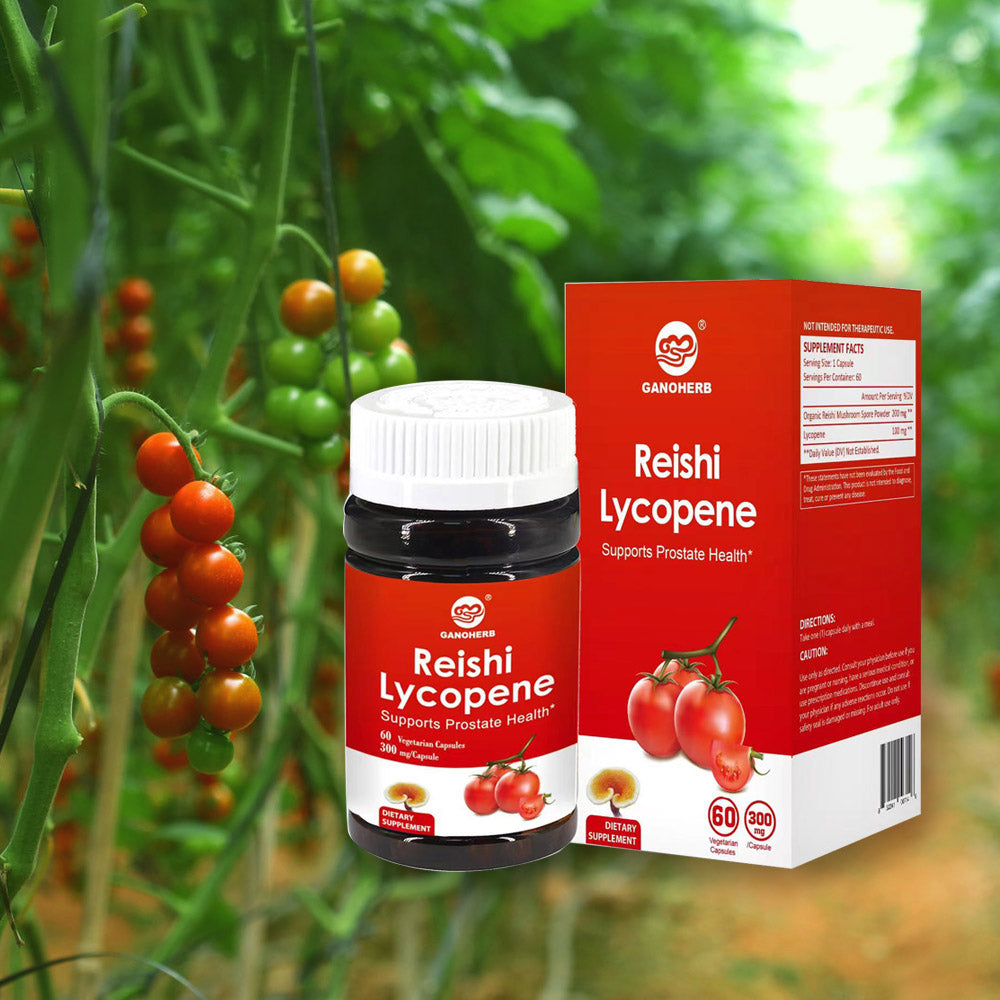


7 Facts You Must Know Before Taking a Lycopene Pill with Reishi Extracts
Botanical wellness constantly introduces interesting combinations for consumers looking to optimize their daily routines. Many individuals now pair specific plant-based compounds to create a balanced approach to general vitality.
One such combination gaining traction involves adding a lycopene pill to a regimen that already features functional fungi. This pairs the vibrant red pigments found in standard fruits with the complex structural components of Reishi mushrooms.
By understanding how these natural substances interact, you can make informed decisions about your daily habits. It requires looking past basic marketing claims and focusing on the actual botanical science behind the ingredients.
Combining a targeted lycopene pill with broad-spectrum fungal extracts provides a fascinating synergy. Below, we examine the historical context, production methods, and practical aspects of utilizing these natural supplements together.

A Brief History of Red Botanical Extracts
The fascination with vibrant red botanicals spans centuries, though the scientific understanding of these pigments is much more recent. Traditional practices often utilized deeply colored plants, believing the strong hues signified potent internal properties.
Reishi, a prominent red functional mushroom, has an extensive historical background in ancient Asian herbal traditions. Historical texts often reserved this specific fungus for royalty, valuing it for its ability to support general internal balance and ongoing vitality.
Similarly, the primary source of the modern lycopene pill—the tomato—has its own rich history. Originating in South America, tomatoes were initially viewed with suspicion in Europe before becoming a dietary staple worldwide.
Scientists eventually identified the specific carotenoid responsible for the red color in tomatoes during the mid-twentieth century. They named this compound lycopene, isolating it to study its strong antioxidant characteristics.
Today, advancements in extraction allow consumers to bypass eating massive quantities of raw vegetables. You can now conveniently consume these concentrated plant compounds alongside traditional fungal extracts in standard capsule formats.
The Production Process: Creating the Lycopene Pill
Creating a high-quality lycopene pill requires precise engineering and advanced agricultural processing. It all begins with the cultivation of specific tomato varieties bred specifically for their high carotenoid content.
Once harvested at peak ripeness, the raw materials undergo a washing and crushing phase to break down the tough plant cell walls. This initial step is crucial for releasing the compounds trapped within the fibrous matrix of the fruit.
Manufacturers typically utilize supercritical fluid extraction to pull the pure pigment away from the water and fiber. By using carbon dioxide under high pressure, this method yields a highly concentrated extract without leaving harmful chemical residues behind.
The resulting thick, dark red paste is then standardized to ensure every batch contains the exact same percentage of active compounds. Standardization guarantees that each lycopene pill delivers a consistent and reliable serving to the consumer.
This process shares many similarities with how premium Reishi extracts are made. Both require breaking down rigid cellular structures—chitin in fungi and cellulose in plants—to make the beneficial compounds highly bioavailable inside natural supplements.
Why Consumers Combine a Lycopene Pill with Reishi
Pairing a lycopene pill with traditional functional mushrooms is becoming a preferred strategy for those focused on holistic body maintenance. Both substances offer unique advantages that support the body at a cellular level.
While we must maintain realistic expectations, the primary outcomes of this combination revolve around robust antioxidant support. Here are the main reasons people combine these botanicals:
Scavenging Free Radicals: Both components provide an abundance of antioxidants, which neutralize unstable molecules resulting from environmental stress and poor diet.
Cellular Defense: The active triterpenes in Reishi and the carotenoids in the lycopene pill work together to protect cellular integrity against daily oxidative damage.
Skin Vitality: Carotenoids are well-known for accumulating in the skin, providing a natural, warm glow while supporting the outer dermal layers against UV exposure.
Holistic Balance: Fungal polysaccharides help modulate general physical balance, complementing the targeted cellular support provided by red plant pigments.
By utilizing both simultaneously, individuals create a multi-layered approach to daily wellness. The lycopene pill handles targeted antioxidant duties, while the mushroom extract provides broad-spectrum structural support.
Potential Drawbacks of High-Dose Carotenoids
While natural supplements are generally considered safe for daily use, there are always potential downsides to overconsumption. Taking a lycopene pill in excessive amounts can lead to a few notable, albeit mostly harmless, issues.
The most famous consequence of consuming too many carotenoids is a condition called lycopenodermia. This occurs when excess pigments accumulate in the blood and tissues, causing the skin to turn a noticeable shade of orange or yellow.
Fortunately, this visual change is completely reversible and fades once the daily dosage is reduced. However, it can be quite alarming for individuals who are not expecting their skin tone to shift so dramatically.
Additionally, introducing a highly concentrated lycopene pill on an empty stomach might cause mild digestive discomfort. Some users report experiencing mild nausea or digestive discomfort if they take their capsules without a proper meal.
When combining these with Reishi, which can also occasionally cause mild digestive adjustments for new users, pacing is important. Starting with a lower serving size helps the digestive system adapt to the new botanical inputs.
Crucial Precautions Before Adding New Supplements
Before integrating a lycopene pill into your routine, you must consider how it interacts with your existing habits. Proper timing and absorption strategies play a massive role in how well your body utilizes these compounds.
Lycopene is a fat-soluble compound, meaning it absolutely requires the presence of dietary lipids for proper intestinal absorption. Taking the capsule with a glass of water on an empty stomach will result in most of the beneficial compounds passing right through your system.
You should always consume your lycopene pill alongside a meal containing healthy fats, such as olive oil, avocados, or nuts. Interestingly, many Reishi supplements also benefit from being taken with food to minimize any potential stomach upset.
If you are currently on specific dietary plans or taking targeted supplements that support cardiovascular health, consulting a professional is strongly recommended. Reishi is known to naturally influence circulation, and adding dense antioxidants could require adjustments to your daily regimen.
Pregnant and nursing women should also exercise caution. While eating normal amounts of red fruits is perfectly fine, concentrated botanical extracts present a much higher dosage that requires professional clearance before use.
Analyzing the Cost-Effectiveness of Daily Consumption
Building a daily botanical routine requires an honest look at your monthly budget. Evaluating the financial viability of a high-quality lycopene pill helps determine if it belongs in your permanent rotation.
On average, a one-month supply of isolated tomato carotenoids will cost between fifteen and forty dollars, depending on the extraction method and brand reputation. Premium brands utilizing supercritical CO2 extraction will naturally sit at the higher end of that price spectrum.
When you break down the math, you are typically spending around fifty cents to one dollar per day. When stacked with the cost of a premium Reishi supplement, your total daily investment in botanical wellness might reach around two to three dollars.
Is this cost justified compared to simply eating fresh produce? To get the same amount of standardized active compounds found in one lycopene pill, you would need to consume bowls of cooked tomato paste every single day.
For most busy individuals, the sheer convenience and guaranteed dosage of a standardized capsule make the monthly expense highly worthwhile. It removes the guesswork from meal prep while ensuring consistent daily intake.
Taste Profile and Practical Consumption Tips
One of the most appealing aspects of using a lycopene pill is the complete lack of a strong flavor profile. Unlike consuming raw vegetable juices or heavy pastes, a high-quality softgel goes down completely unnoticed.
Some users occasionally report a very mild, savory scent when opening the bottle, reminiscent of sun-dried tomatoes. However, there is no lingering aftertaste assuming the capsule digests properly within the stomach.
When taking this alongside Reishi, the neutral profile of the capsule is a massive benefit. Functional mushrooms often have a very bitter, woody taste that requires masking with coffee or smoothies, so avoiding additional clashing flavors is ideal.
To maximize your routine, consider taking your mushroom extracts in the morning with a warm beverage. Then, save your lycopene pill for your heaviest meal of the day—usually lunch or dinner—to ensure maximum fat-soluble absorption.
Keeping your supplements stored in a cool, dark place prevents the active compounds from degrading. Heat and light are the natural enemies of both fragile carotenoids and fungal polysaccharides.
FAQ Section
Q1: Can I safely take a lycopene pill and Reishi mushroom extracts on the exact same day?
A1: Yes, combining these two botanicals is generally considered very safe and quite popular. They operate through different pathways in the body, with the mushroom providing broad structural support and the carotenoids offering targeted cellular defense. You can take them simultaneously, provided you consume them with an appropriate meal.
Q2: Does a lycopene pill have a strong flavor that will repeat on me throughout the day?
A2: A properly manufactured softgel or capsule should have absolutely no flavor. If you experience savory or tomato-like burps, it generally means you took the supplement on an empty stomach. Always pair it with dietary fats to ensure proper and swift digestion.
Q3: When is the absolute best time of day to consume this type of supplement?
A3: The time of day matters much less than the contents of your stomach. Because it is fat-soluble, you must take it with a meal containing lipids. Most people choose to take it during dinner, as this tends to be the meal with the highest fat content, ensuring optimal absorption.
Q4: How long does it typically take before I might notice visual changes in my skin vitality?
A4: Because carotenoids need time to accumulate in the dermal layers, visual results are not immediate. Most consistent users report noticing a warmer, more vibrant skin tone after roughly four to six weeks of uninterrupted daily use. Consistency is far more important than taking a massive dose all at once.
Q5: Is a dedicated lycopene pill actually necessary if I already eat a large amount of raw vegetables?
A5: Raw tomatoes surprisingly offer very low bioavailability of their red pigments because the cellular walls are incredibly tough. Cooking the vegetables in oil helps release the compounds, but a concentrated capsule provides a massive, standardized amount that is nearly impossible to match through a normal daily diet alone.